Industry Trends
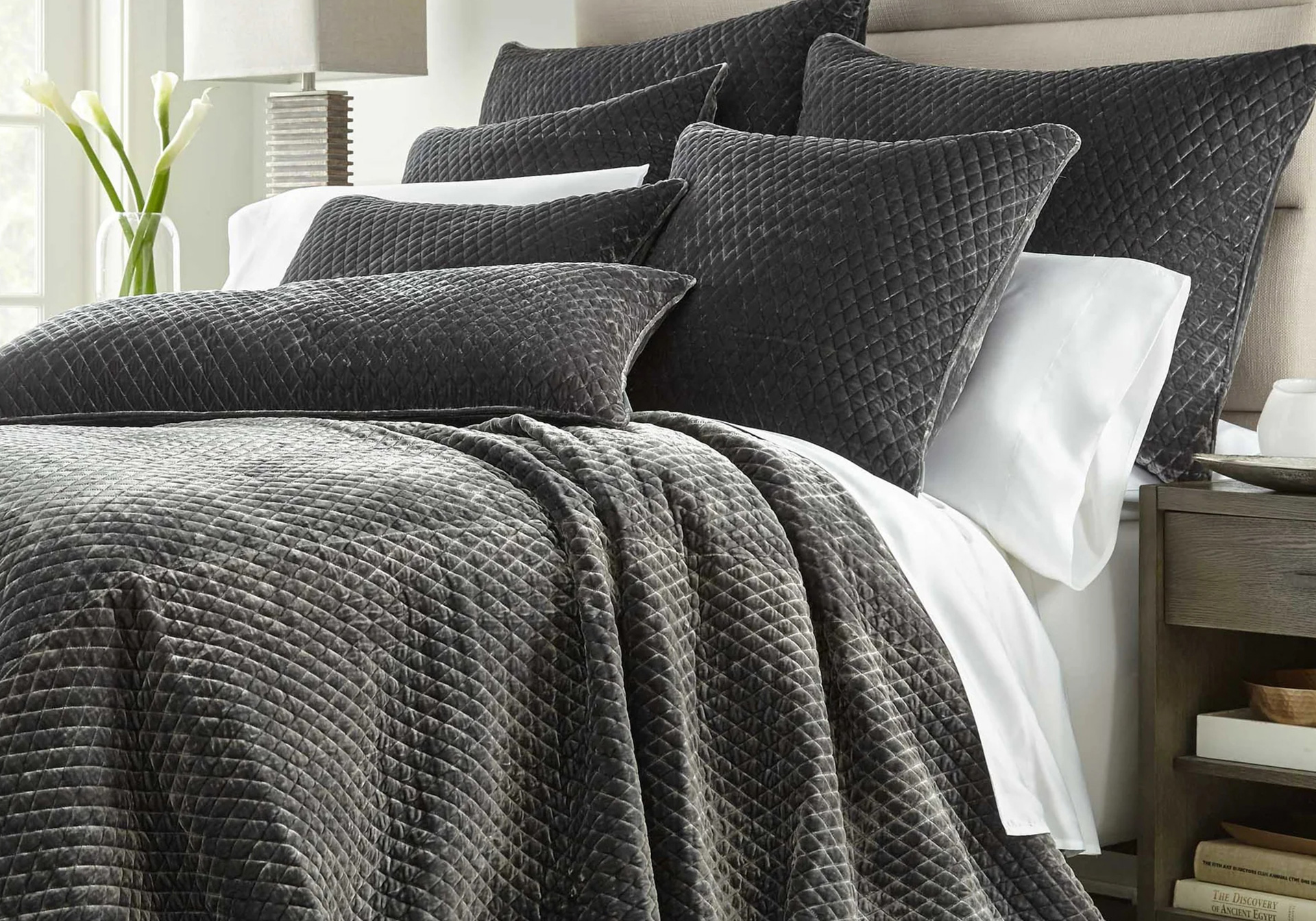
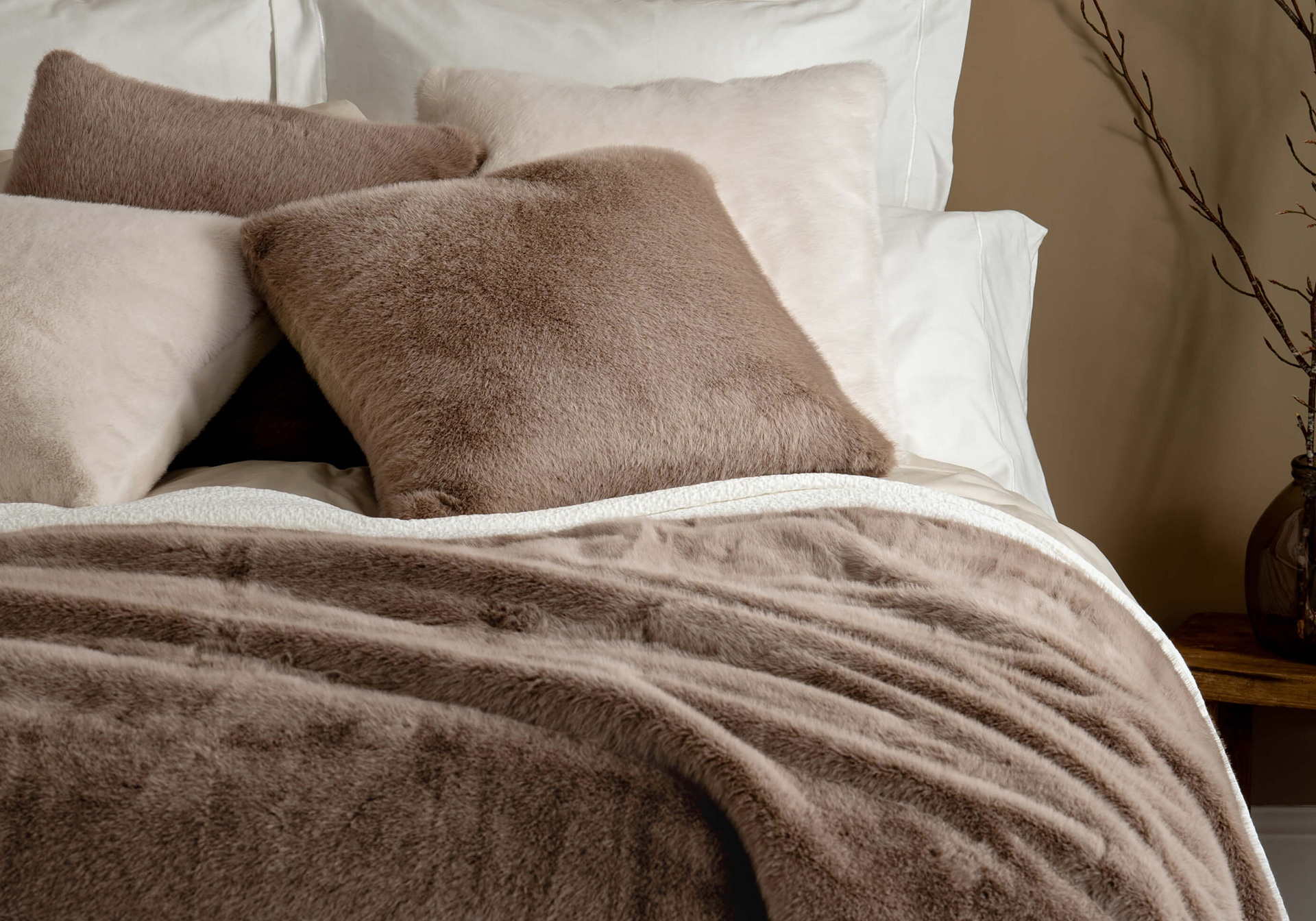
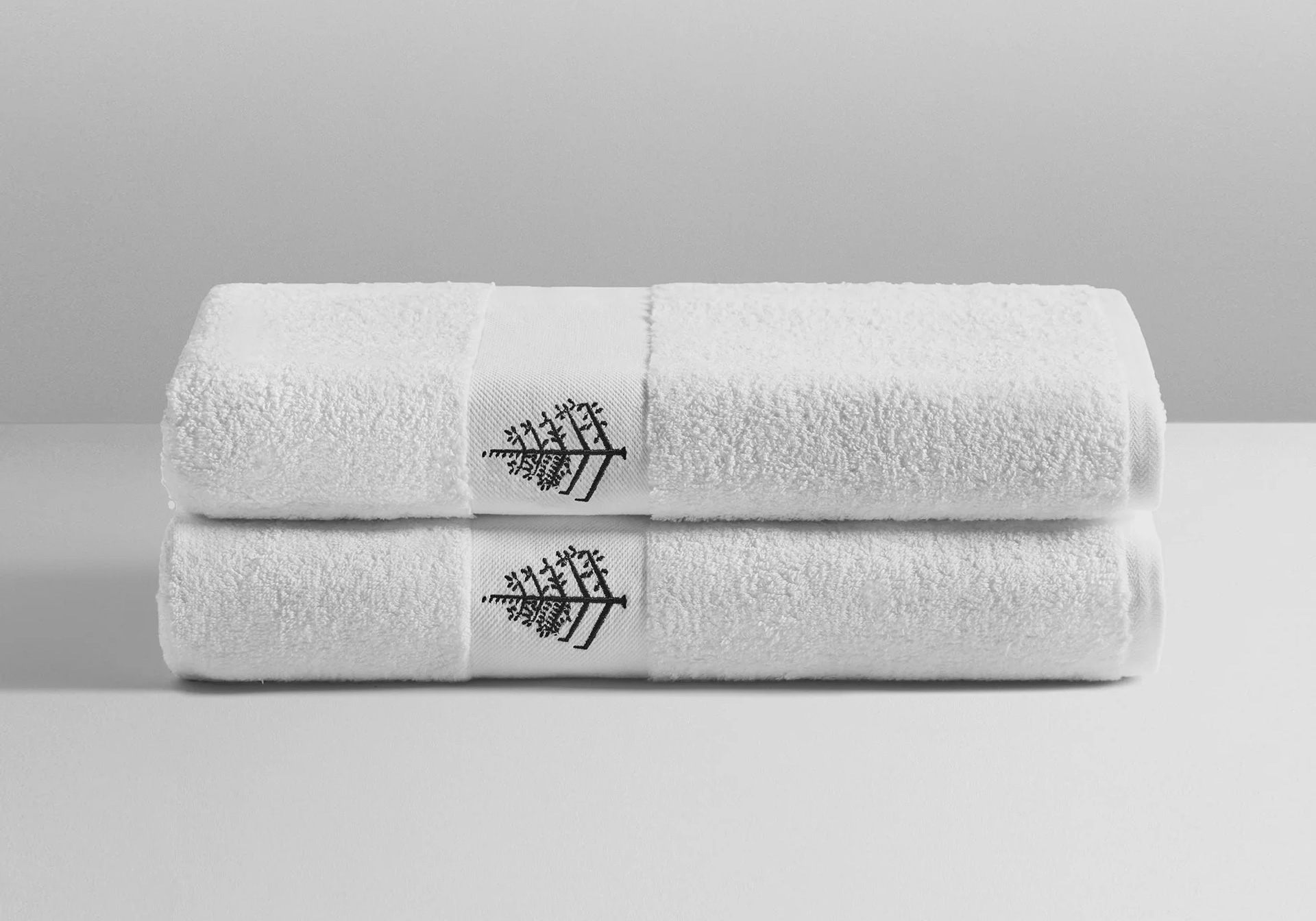
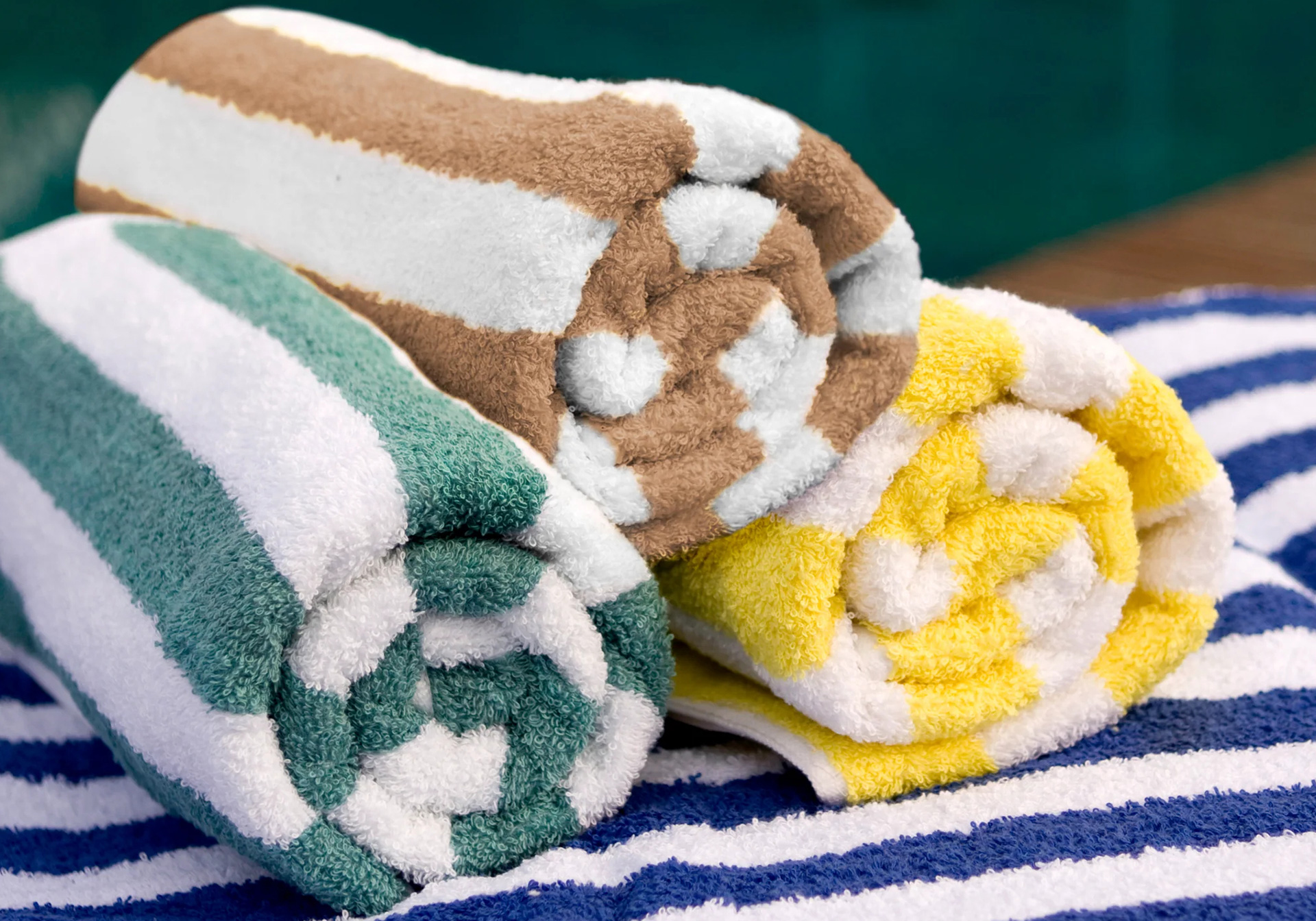
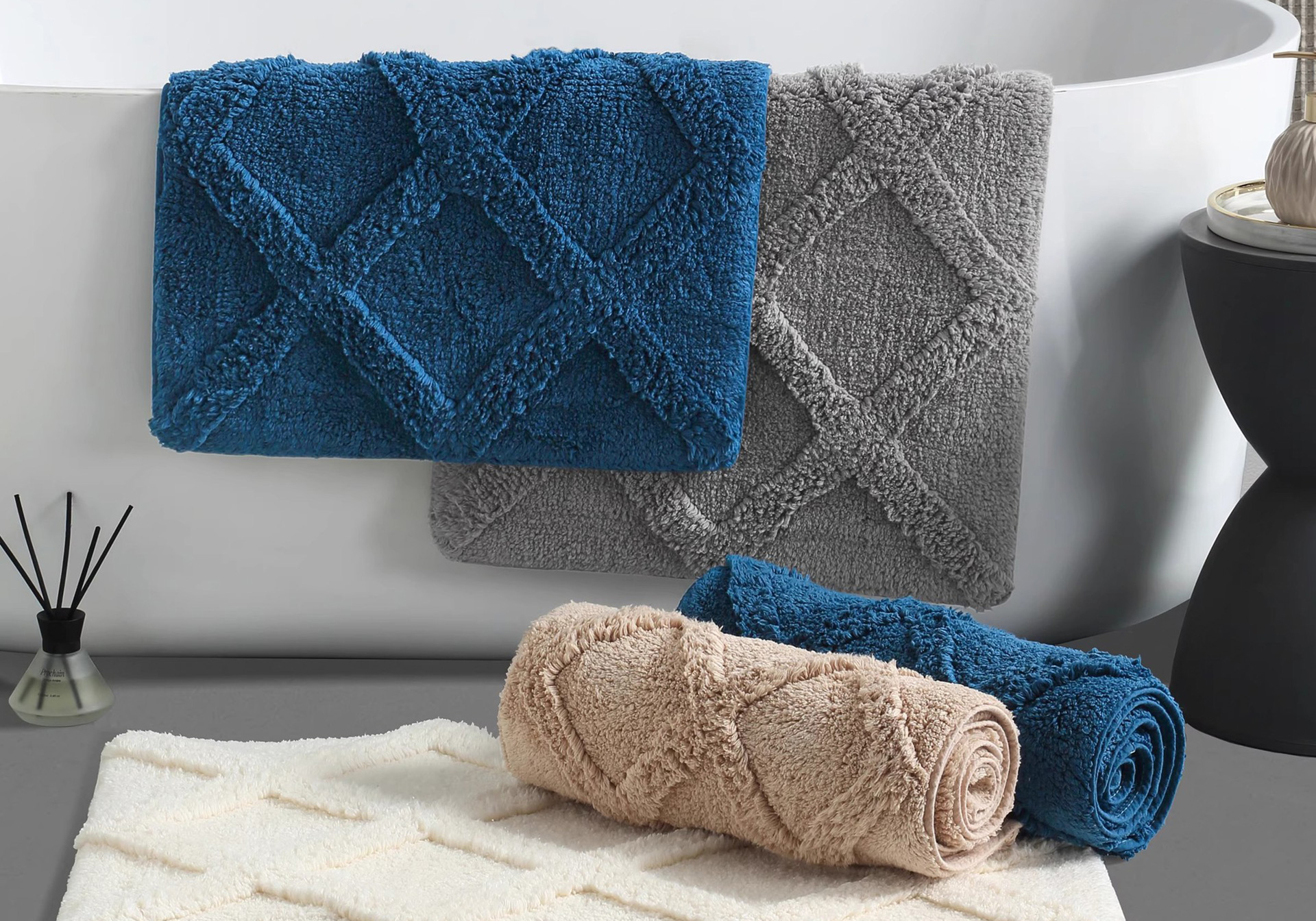
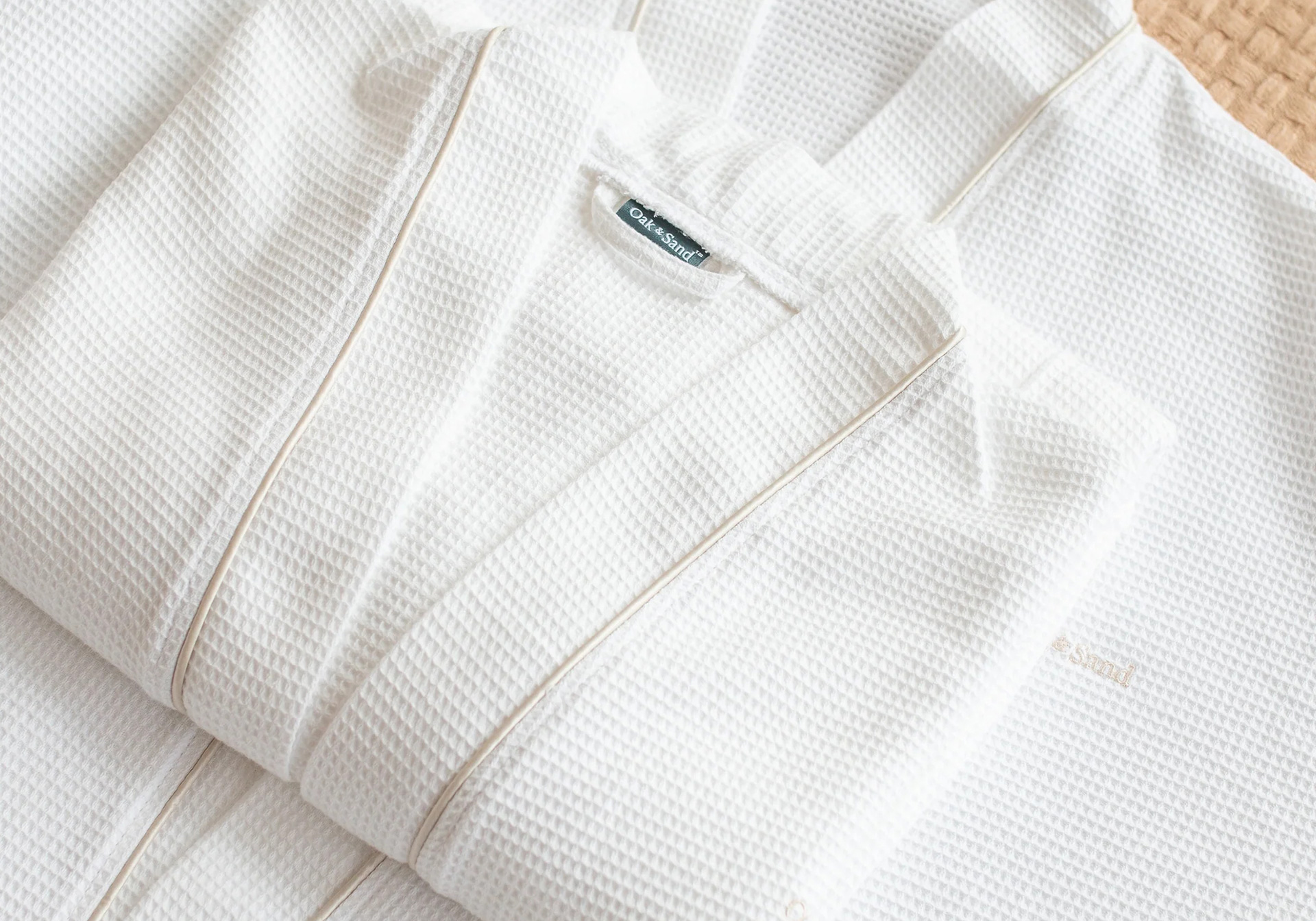
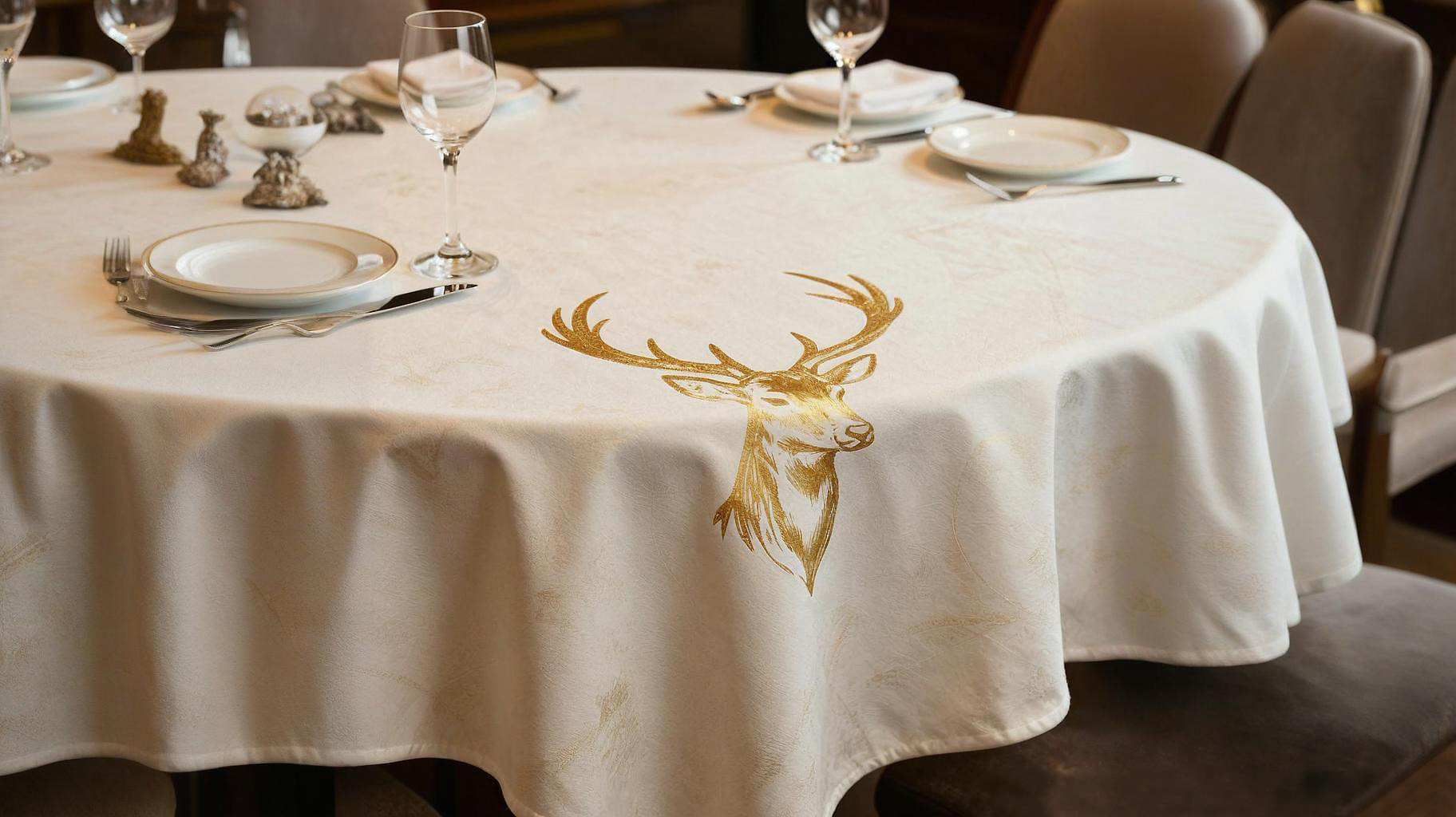
The quality control of hotel linens is a crucial part of hotel operation and management, which directly affects customers' stay experience and the overall image of the hotel. Linen includes bed sheets, duvet covers, pillowcases, towels, bathrobes, etc. Its quality is not only related to comfort, but also to durability, hygiene standards, and brand image maintenance. Therefore, hotels need to strictly control the entire process of purchasing, using, maintaining, and replacing linens to ensure that the quality of the linens meets the standards. The following discusses in detail how to control the quality of hotel linens from multiple aspects.
1. Quality control in the procurement process
1. Clarify quality standards
When purchasing linens, hotels should first establish clear quality standards, including material, density, size, color, durability, etc. For example, bed sheets and duvet covers are usually made of high count and high-density pure cotton or blended fabrics to ensure softness and breathability; Towels need to have good water absorption, softness, and durability. The quality standards should match the positioning of the hotel. High end hotels usually choose higher quality linens, while economy hotels need to find a balance between cost and quality.
2. Choose reliable suppliers
The selection of suppliers is the key to the quality of linen. Hotels should prioritize selecting suppliers with good reputation and rich experience, and evaluate their production capacity, quality control system, and after-sales service through on-site inspections, sample testing, and other methods. At the same time, whether the supplier has relevant certifications (such as ISO quality management system certification, environmental certification, etc.) is also an important consideration factor.
3. Sample testing and acceptance
Before formal procurement, the hotel should conduct strict testing on the samples provided by the supplier, including indicators such as hand feel, durability, color fastness, shrinkage rate, etc. After the sample test is qualified, the hotel should also conduct acceptance inspection when the batch arrives to ensure that the quality of the linen is consistent with the sample. During acceptance, it is necessary to check whether the size, color, defects, packaging, etc. of the linen meet the requirements.
2、 Control of the usage process
1. Reasonably allocate the quantity
Hotels should allocate a reasonable amount of linens based on the number of rooms, occupancy rate, and washing cycle to ensure sufficient linens for rotation and avoid affecting customer experience due to insufficient linens. At the same time, the inventory management of linen also needs to be standardized, with regular inventory checks to prevent waste caused by insufficient or excessive inventory.
2. Proper use and maintenance
Proper operation and maintenance should be paid attention to during the use of linen. For example, bed sheets and duvet covers should be laid out according to standard sizes to avoid damage caused by pulling or pulling; Towels and bathrobes should avoid contact with sharp objects to prevent snagging or damage. In addition, the cleaning and disinfection of linens must be strictly carried out in accordance with the hotel's hygiene standards to ensure their cleanliness, absence of stains and odors.
3、 Checking the washing process
1. Choose a professional laundry service
The washing quality of linen directly affects its service life and customer experience. Hotels should choose professional laundry service providers to ensure they have advanced washing equipment, standardized washing processes, and strict hygiene standards. Whether the washing service provider uses environmentally friendly detergents and has sterilization and disinfection capabilities are also important considerations.
2. Develop washing standards
Hotels should collaborate with laundry service providers to establish washing standards, including water temperature, detergent dosage, washing time, drying temperature, etc. Different materials of linen require different washing methods, for example, pure cotton linen should avoid high-temperature washing to prevent shrinkage and deformation. At the same time, during the washing process, attention should be paid to sorting and washing to avoid mixing fabrics of different colors that may cause staining.
3. Regularly check the washing quality
Hotels should regularly inspect the washed linen to ensure that its cleanliness, softness, color, and integrity meet the standards. For problems such as damage and staining that occur during the washing process, it is necessary to communicate with the washing service provider in a timely manner and resolve them.
4、 Control of replacement and scrapping processes
1. Develop replacement standards
The linen will gradually wear out during use, and hotels need to establish clear replacement standards, such as obvious damage to bed sheets and duvet covers, loss of softness or water absorption of towels, etc. Regularly replacing linens can not only enhance customer experience, but also avoid affecting the hotel's image due to the aging of linens.
2. Standardize the scrapping process
For linens that meet the scrap standards, hotels need to standardize their scrap process to avoid waste or reuse due to poor management. Scrap linen can be treated for environmental protection, such as recycling or donating to relevant organizations.
5、 Employee Training and Management
1. Strengthen employee training
Hotels should strengthen training for employees to master the correct use, maintenance, and replacement methods of linens. For example, room attendants need to know how to properly lay bed sheets and how to check the quality of linens. At the same time, employees also need to have basic knowledge of linen in order to provide professional answers when customers consult.
2. Establish a responsibility system
The hotel needs to establish a responsibility system for linen management, clarifying the responsibilities of each department and position. For example, the procurement department is responsible for the procurement and acceptance of linens, the housekeeping department is responsible for the use and maintenance of linens, and the laundry department is responsible for cleaning and disinfecting linens. By implementing a responsibility system, ensure that there is someone responsible for every aspect of linen management.
6、 Customer feedback and continuous improvement
1. Value customer feedback
Customer feedback is an important basis for evaluating the quality of linen. Hotels should collect customers' opinions and suggestions on linens through customer satisfaction surveys, online evaluations, and other methods, and make timely improvements. For example, if customers generally report that the towels are not soft enough, the hotel may consider replacing them with higher quality towels.
2. Continuously optimize management processes
Hotels should continuously optimize their linen management process based on actual situations and customer needs. For example, introducing an intelligent management system to monitor the use and inventory of linens in real time; Or establish long-term cooperative relationships with suppliers and laundry service providers to ensure the stability of linen quality.
Conclusion
The quality control of hotel linens is a systematic project that involves multiple stages such as procurement, use, washing, and replacement. By establishing clear standards, selecting reliable suppliers, strengthening employee training, and valuing customer feedback, hotels can effectively improve the quality of linens, provide customers with a better stay experience, reduce operating costs, and enhance brand image. The continuous improvement of linen quality is not only a reflection of hotel management level, but also an important manifestation of customer responsibility.
Stay updated, join our mailing list and get 10% off your first order of $100.

 +86 189 9843 1185
 chloe@sanhootel.com+86 189 9849 2275simon@sanhootel.com
 Room 309, Building 11, No.728, Shibei Industrial Road, Panyu District, Guangzhou 511430, China