Company News
The procurement cycle of hotel room supplies is an important link in hotel operation and management, directly related to the hotel's operational efficiency, cost control, and customer experience. A reasonable procurement cycle can not only ensure sufficient supply of room supplies, but also effectively reduce inventory pressure and avoid resource waste. So, what is the appropriate procurement cycle for hotel room supplies? This issue needs to be analyzed from multiple dimensions, including product types, usage frequency, supplier cooperation models, inventory management strategies, etc.
1、 The relationship between the types of supplies and the procurement cycle
There are various types of hotel room supplies, which can be roughly divided into the following categories: disposable consumables (such as toiletries, slippers, tissues, etc.), durable consumables (such as bed sheets, towels, bathrobes, etc.), and non consumables (such as furniture, appliances, decorations, etc.). Different types of products should have different procurement cycles due to their frequency of use and rate of wear and tear.
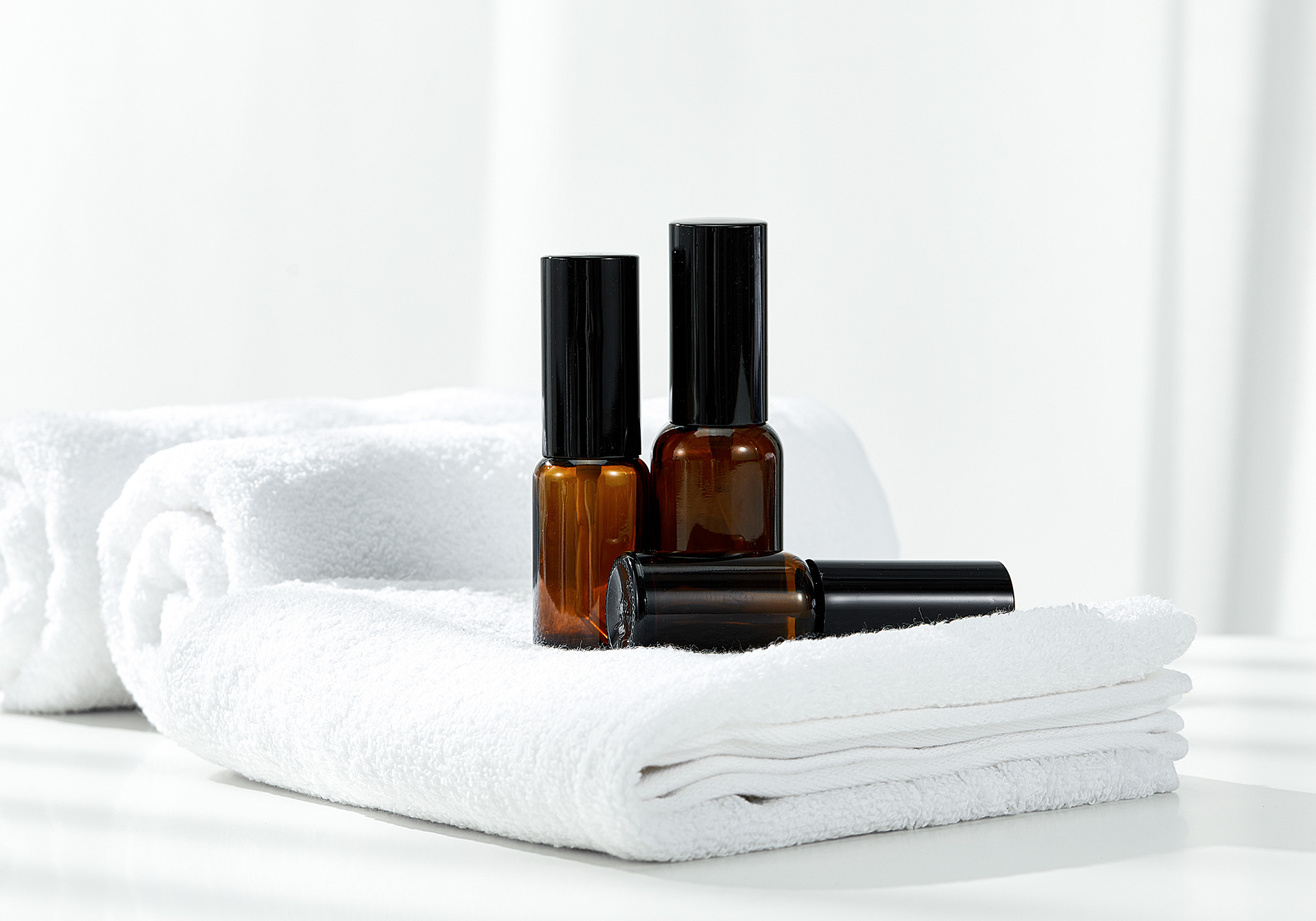
1. Disposable consumables: These types of products have a high frequency of use and a fast consumption rate, usually requiring a shorter procurement cycle. For example, toiletries, tissues, etc. may need to be purchased monthly or even every two weeks to ensure sufficient supply. If the procurement cycle is too long, it may lead to insufficient inventory and affect customer experience; If the procurement cycle is too short, it may increase procurement costs and management pressure.
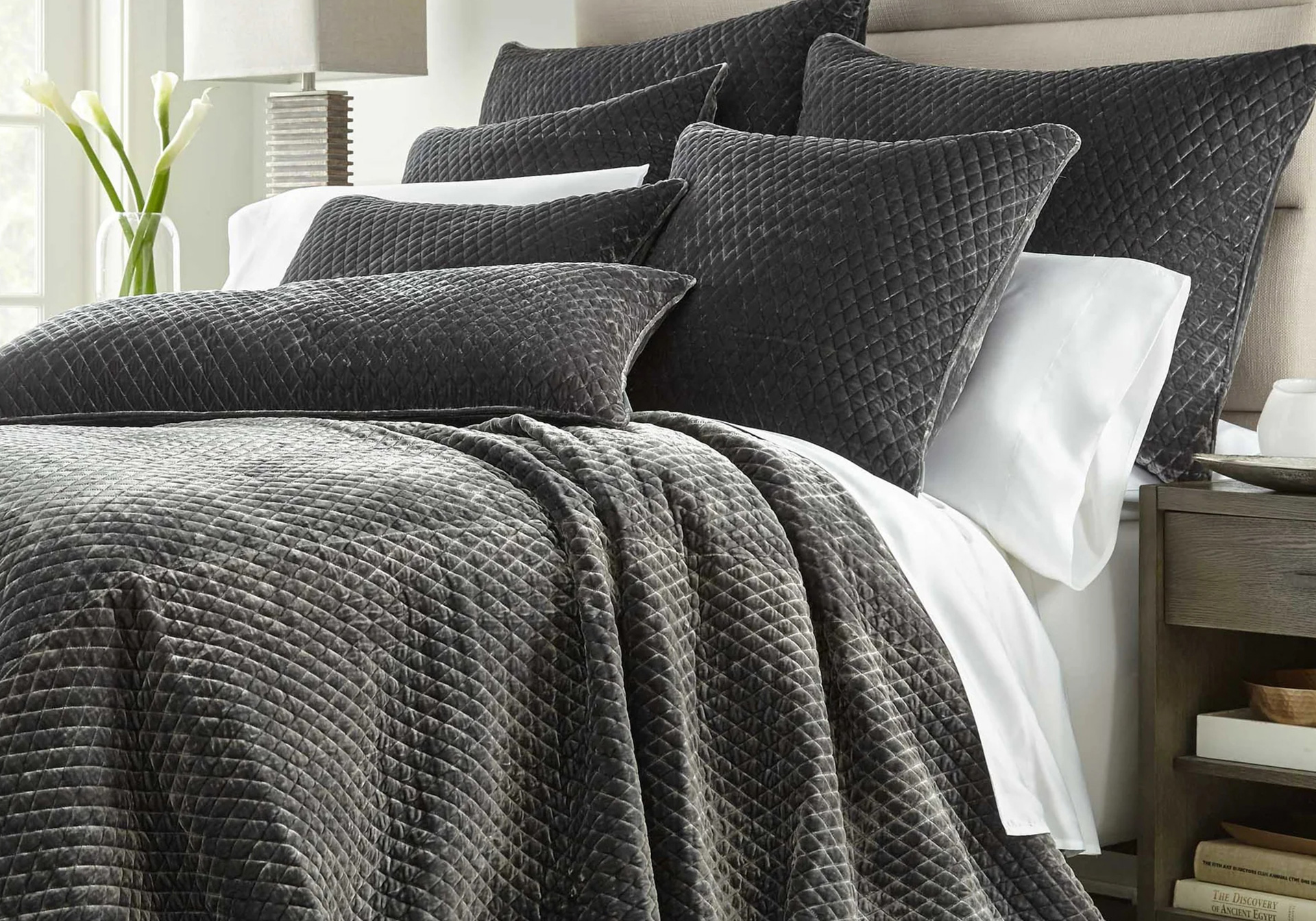
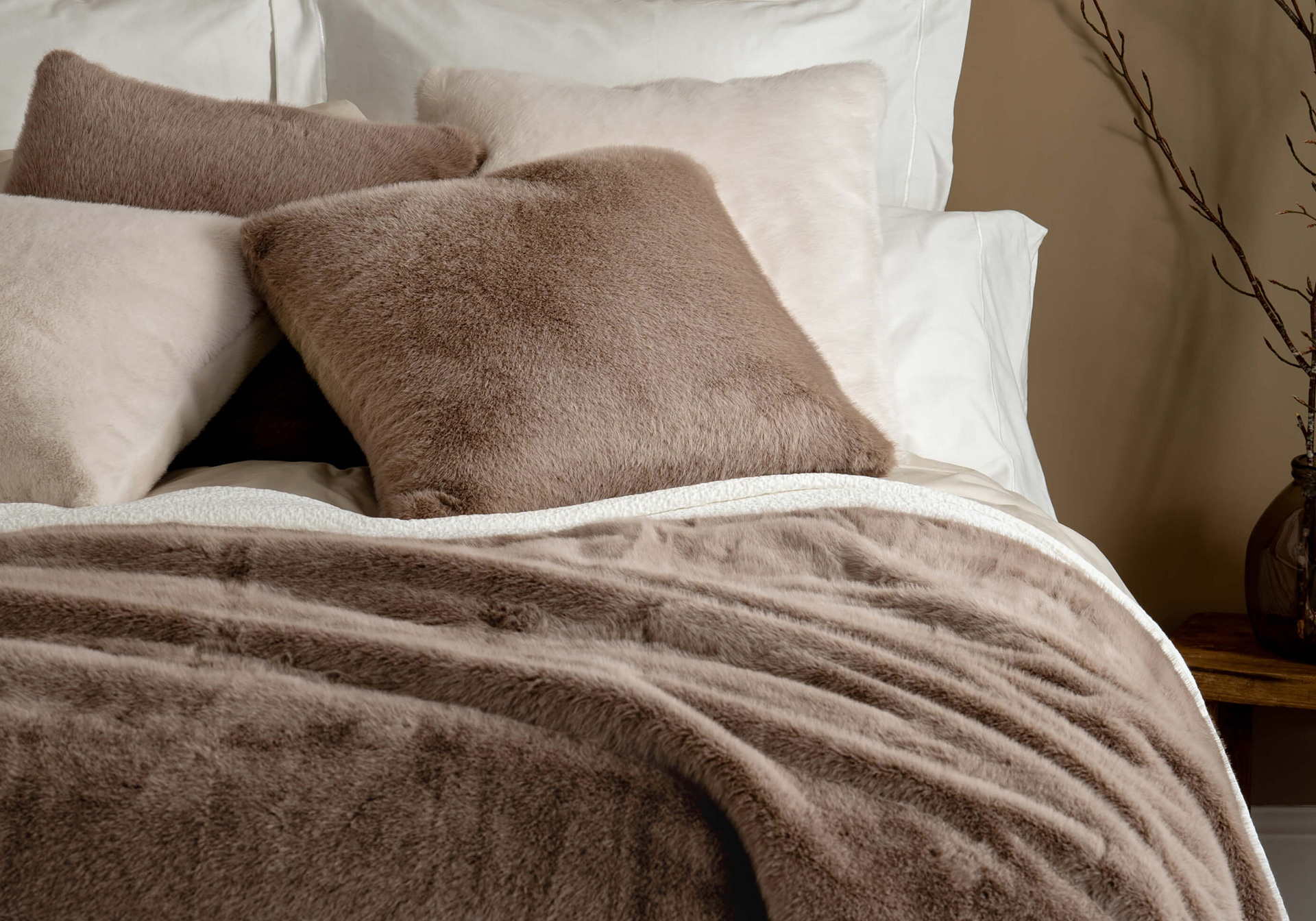
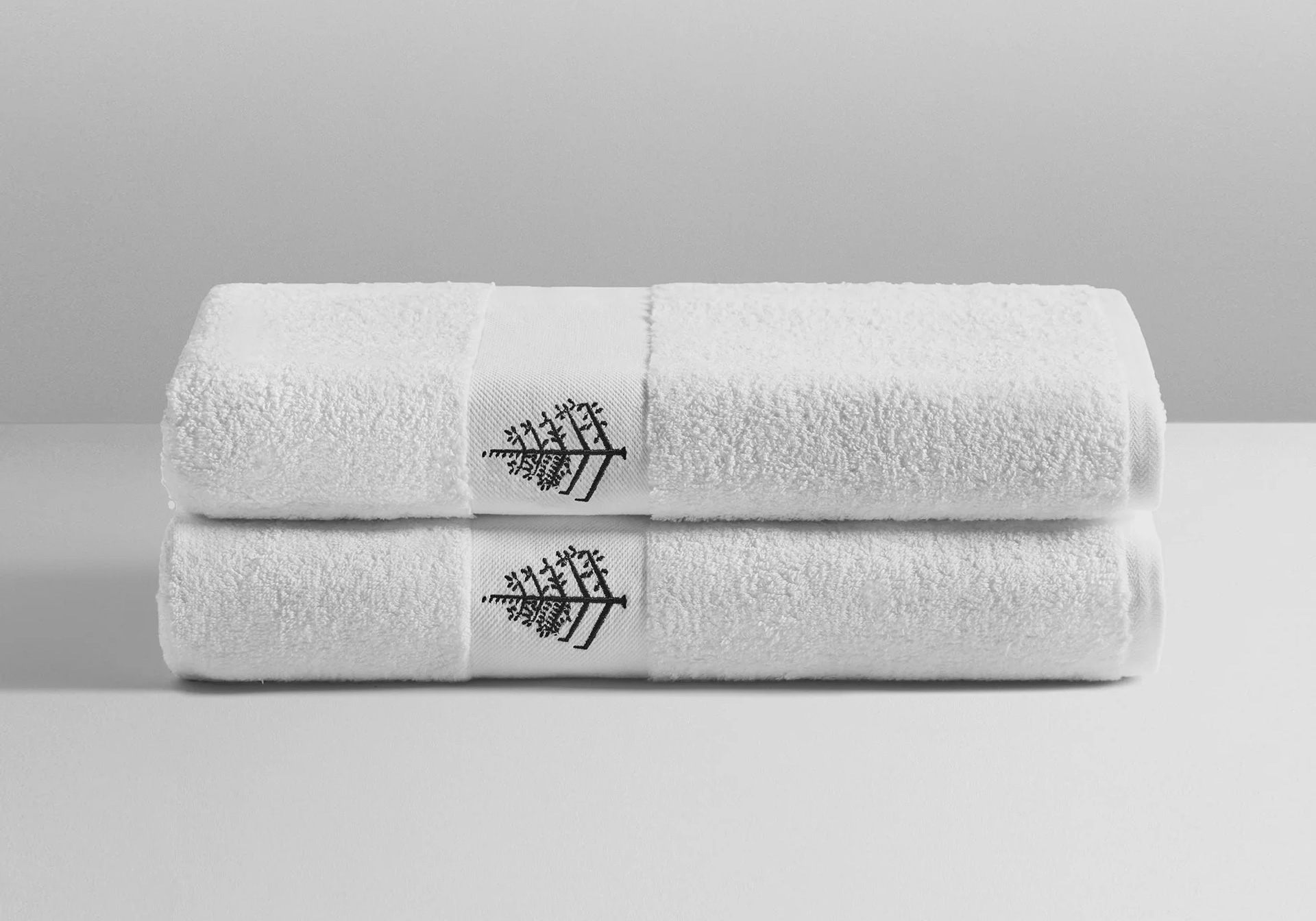
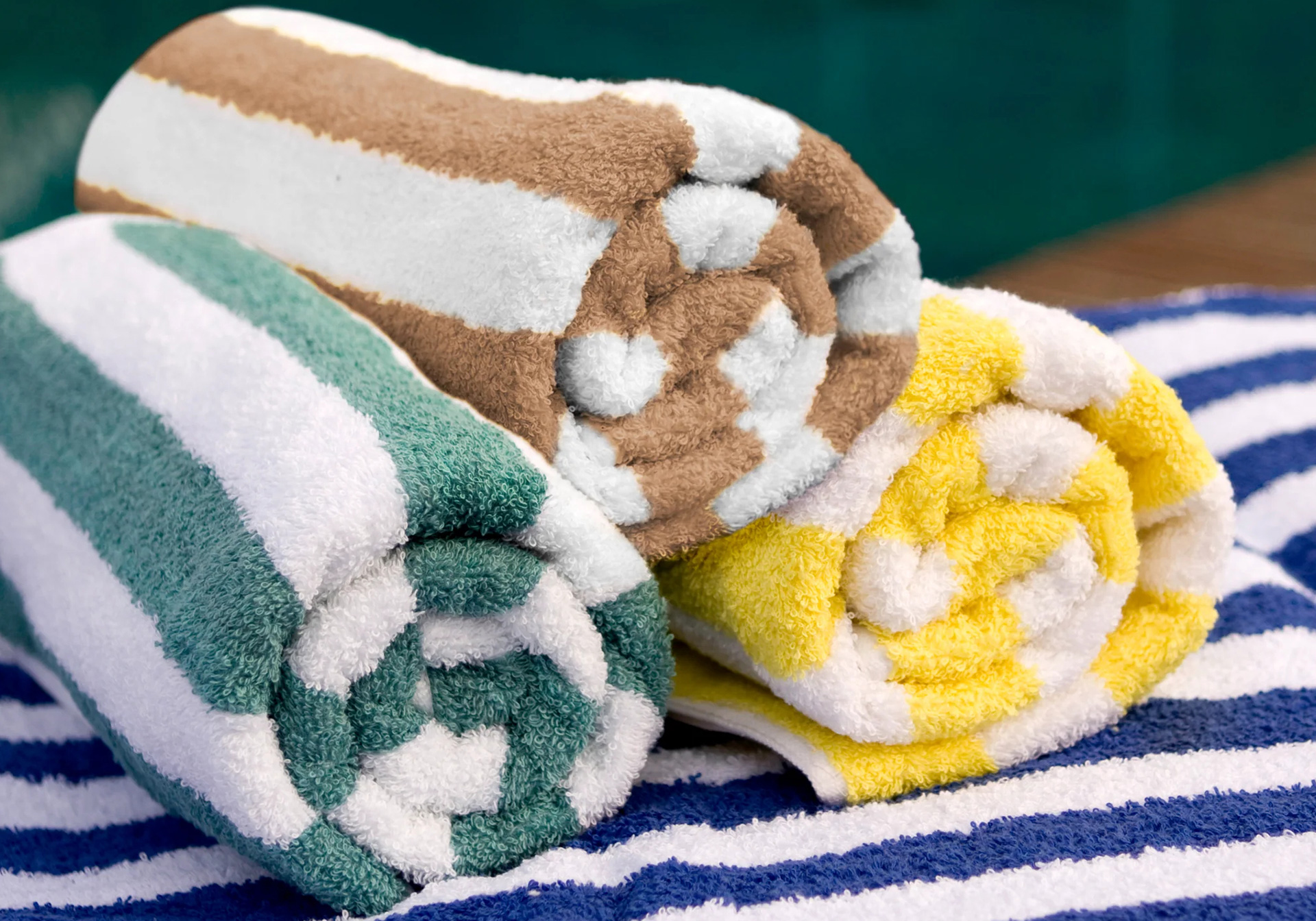
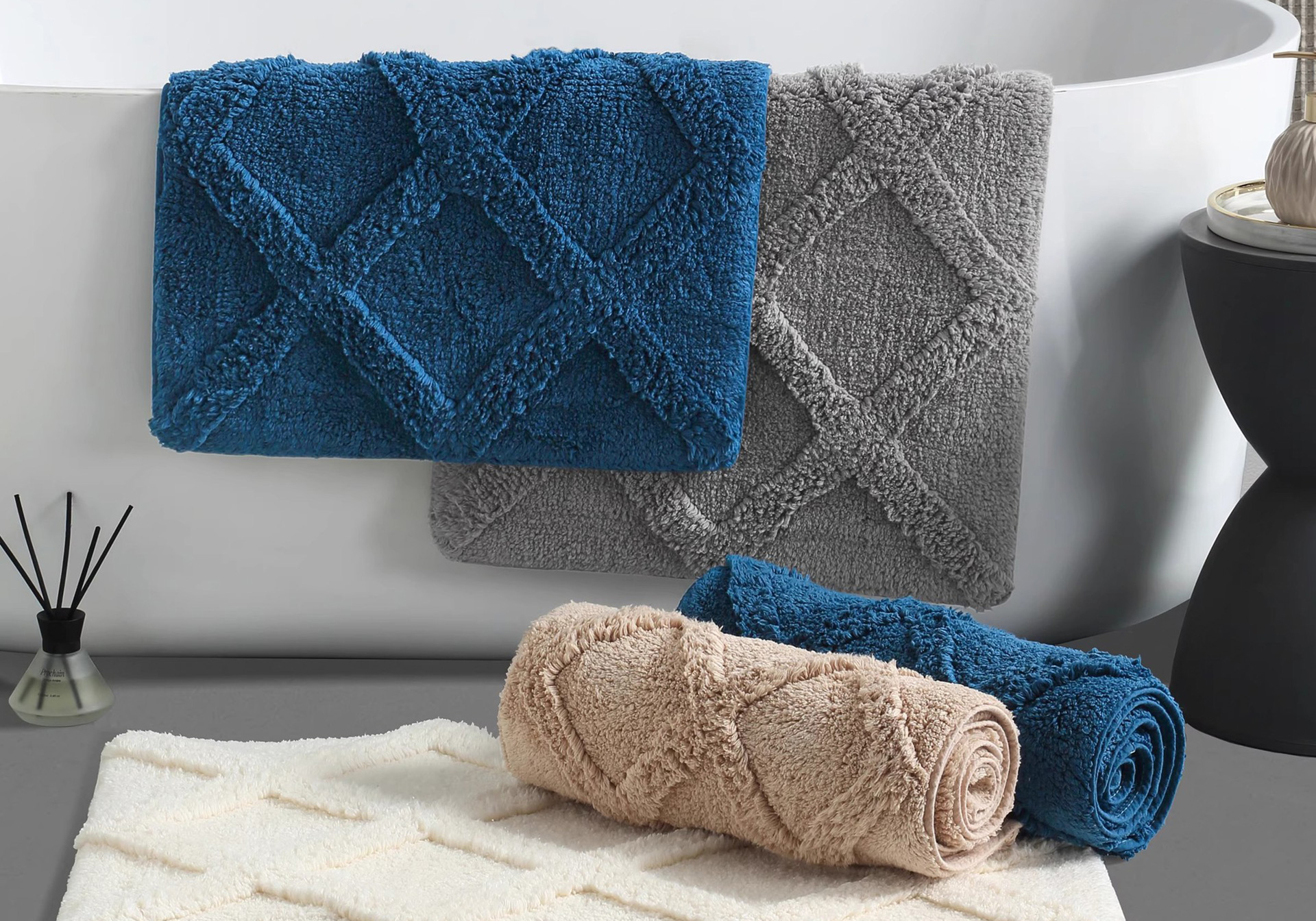
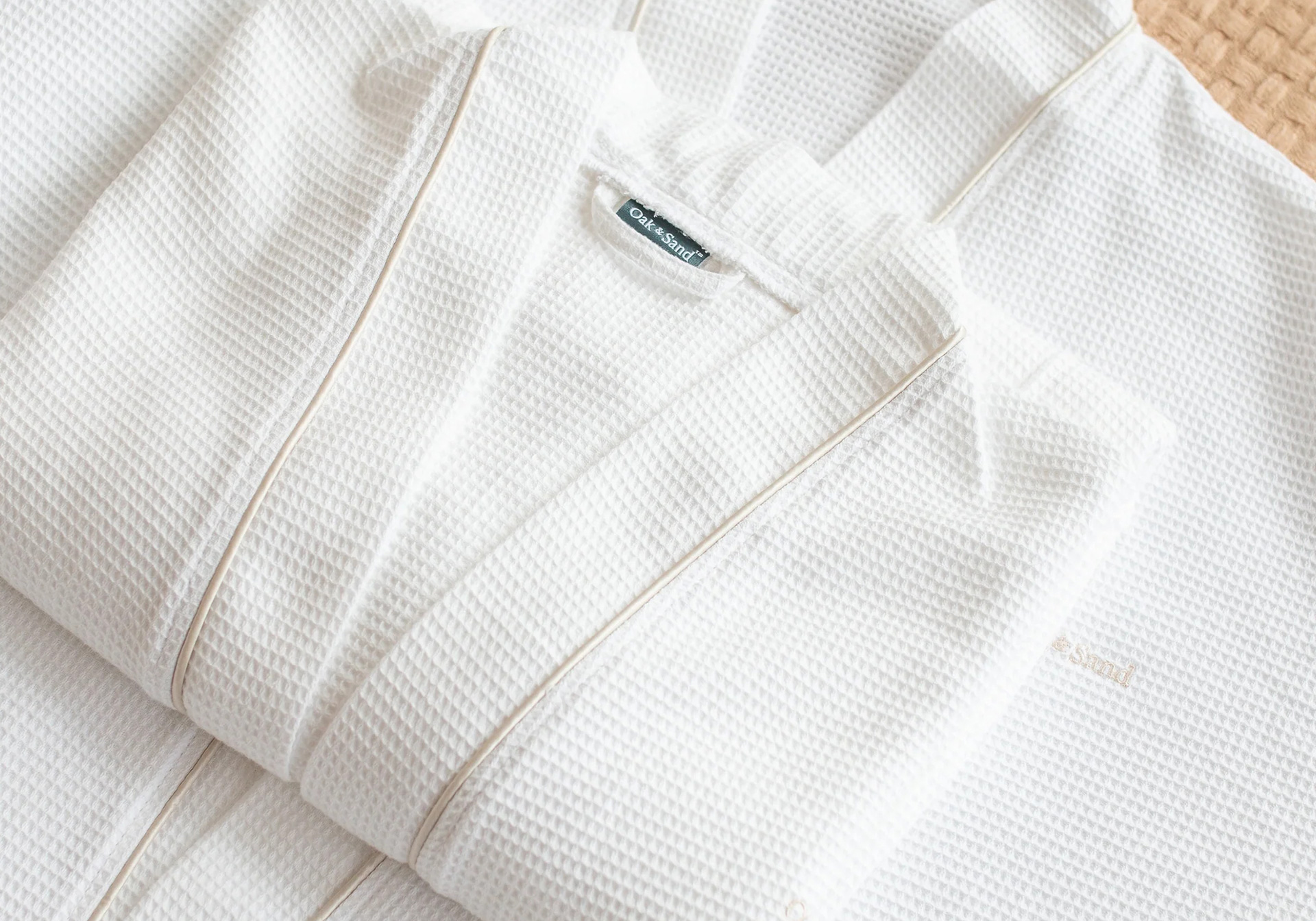
2. Durable consumables: These types of products have a high frequency of use, but the rate of wear and tear is relatively slow, such as bed sheets, towels, etc. The procurement cycle for such products can be appropriately extended, usually once every quarter or every six months. It should be noted that the procurement cycle of durable consumables should also consider their washing and replacement frequency to ensure the cleanliness and hygiene of guest room supplies.
3. Non consumables: These types of products have a low frequency of use, slow wear and tear, and usually do not require frequent procurement. For example, furniture, appliances, etc. may only need to be replaced when the equipment ages or is damaged, and the procurement cycle can be extended to one year or even longer.
2、 The relationship between usage frequency and procurement cycle
The frequency of use of hotel room amenities is an important factor in determining the procurement cycle. Items with high usage frequency, such as disposable consumables, usually require a shorter procurement cycle to ensure sufficient supply; For items with low usage frequency, such as non consumables, the procurement cycle can be appropriately extended. In addition, seasonal changes in hotels can also affect the frequency of use of supplies. For example, during the peak tourist season, hotel occupancy rates are high, and the frequency of using room amenities will also increase accordingly. At this time, it is necessary to shorten the procurement cycle to ensure sufficient supply.
3、 The relationship between supplier cooperation mode and procurement cycle
The cooperation mode between hotels and suppliers can also affect the setting of procurement cycles. Common supplier cooperation models include long-term cooperation, short-term cooperation, and on-demand procurement.
1. Long term cooperation: If the hotel establishes a long-term cooperative relationship with the supplier, the supplier is usually able to provide more stable supply channels and more favorable prices. In this case, hotels can appropriately extend the procurement cycle, reduce procurement frequency, thereby reducing procurement costs and management pressure.
2. Short term cooperation: If the cooperation between the hotel and the supplier is relatively loose, the supplier's supply capacity and price may not be stable enough. In this situation, the hotel needs to shorten the procurement cycle to ensure timely supply of supplies and avoid inventory shortages caused by supplier issues.
3. On demand procurement: Some hotels adopt an on-demand procurement model, which means purchasing based on actual needs. This model can effectively reduce inventory pressure, but it requires hotels to have strong demand forecasting and supply chain management capabilities. The cycle of on-demand procurement is usually short, possibly once a week or once a month.
4、 The relationship between inventory management strategy and procurement cycle
The inventory management strategy of hotels is also an important factor affecting the procurement cycle. Common inventory management strategies include regular inventory checks, safety stock settings, and Economic Order Quantity (EOQ).
1. Regular inventory: Hotels should regularly conduct inventory checks on guest room supplies, understand the inventory situation, and adjust the procurement cycle according to actual needs. Regular inventory checks can help hotels identify inventory shortages or surpluses in a timely manner, thereby optimizing procurement cycles.
2. Safety stock setting: Hotels should set safety stock levels based on historical data and demand forecasts. Safety stock refers to the low inventory level that ensures sufficient supply of supplies during the normal procurement cycle. By setting a safety stock, hotels can avoid inventory shortages caused by sudden demand or supply chain issues.
3. Economic Order Quantity (EOQ): EOQ refers to the order quantity that reduces the sum of procurement cost and inventory holding cost within a certain period of time. By calculating the economic order quantity, hotels can determine the procurement cycle, thereby reducing procurement costs and inventory pressure.
5、 Other influencing factors
In addition to the above factors, the procurement cycle of hotel room supplies is also affected by the following factors:
1. Market fluctuations: Fluctuations in market factors such as raw material prices and logistics costs may affect the setting of procurement cycles. For example, if raw material prices rise, hotels may need to shorten their procurement cycle to avoid cost increases caused by price increases.
2. Policies and regulations: Some room amenities may be subject to policy and regulatory constraints, such as environmental requirements, hygiene standards, etc. When setting the procurement cycle, hotels need to ensure that the procurement and use of supplies comply with relevant regulatory requirements.
3. Customer feedback: Customer satisfaction with room amenities can also affect the procurement cycle. If customers have feedback on the quality or quantity of certain products, the hotel should adjust the procurement cycle in a timely manner to meet customer needs.
VI. Summary
re is no fixed standard for the procurement cycle of hotel room supplies, and it needs to be comprehensively considered based on the type of supplies, frequency of use, supplier cooperation mode, inventory management strategy, and other relevant factors. Generally speaking, the procurement cycle for disposable consumables is relatively short, possibly once a month or every two weeks; The procurement cycle for durable consumables is relatively long, possibly once every quarter or every six months; The procurement cycle for non consumables is long, possibly one year or longer.
Hotels should pay attention to flexibility when setting procurement cycles and make adjustments according to actual situations. At the same time, hotels should strengthen cooperation with suppliers, optimize inventory management strategies, ensure timely supply of room amenities, and control costs. Through reasonable procurement cycle management, hotels can improve operational efficiency, reduce operating costs, enhance customer satisfaction, and thus gain an advantage in fierce market competition.
Stay updated, join our mailing list and get 10% off your first order of $100.

 +86 189 9843 1185
 chloe@sanhootel.com+86 189 9849 2275simon@sanhootel.com
 Room 309, Building 11, No.728, Shibei Industrial Road, Panyu District, Guangzhou 511430, China