Company News
When choosing hotel linens, multiple factors need to be considered comprehensively to ensure that the quality, comfort, durability, and aesthetics of the linens meet the needs of the hotel, while also taking into account cost-effectiveness and environmental requirements. The following are several aspects to consider when choosing hotel linens:
1. Material selection
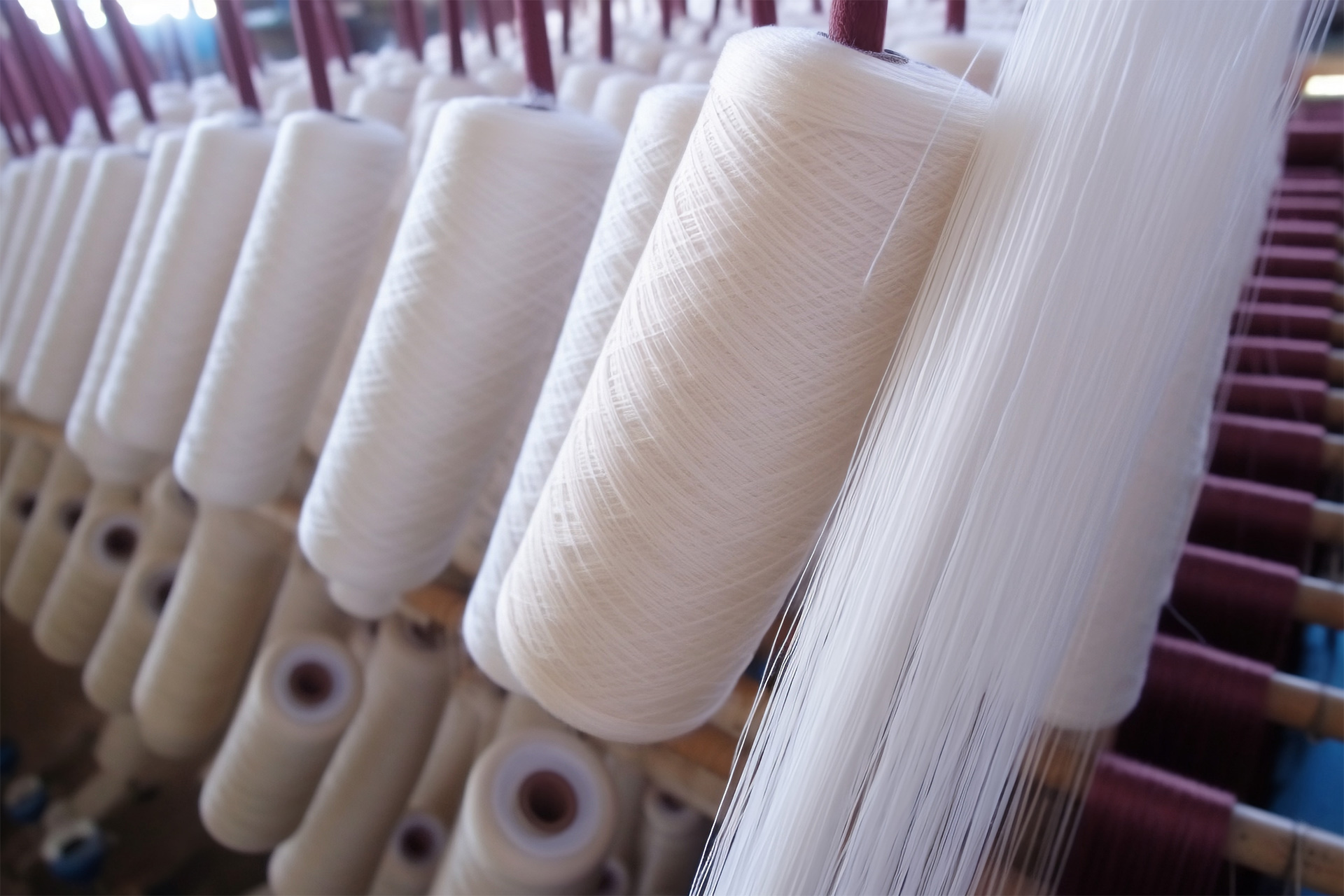
The material of linen directly determines its comfort, durability, and ease of maintenance. Common hotel linen materials include cotton, polyester cotton blend, bamboo fiber, linen, etc.
-Pure cotton: Pure cotton linen is soft and comfortable, with good moisture absorption, suitable for use in high-end hotels. But pure cotton linen is prone to wrinkling and has relatively low durability, requiring frequent replacement.
-Polyester cotton blend: Polyester cotton blend fabric combines the comfort of cotton with the durability of polyester, with strong wrinkle resistance and easy maintenance, suitable for use in mid-range hotels. The cost of polyester cotton blended linen is relatively low and the cost-effectiveness is high.
-Bamboo fiber: Bamboo fiber cloth grass has natural antibacterial and deodorizing functions, and has a soft touch, suitable for hotels with high environmental and health requirements. But the price of bamboo fiber cloth grass is higher, and its durability is not as good as polyester cotton blend.
-Linen: Linen has good breathability, unique texture, and natural style, making it suitable for use in specialty hotels or resorts. But linen is prone to wrinkling and has a higher price.
2. Yarn count density
Yarn count density is an important indicator for measuring the quality of linen. The higher the yarn count, the finer the texture of the linen, the softer the hand feel, but the higher the price. Common yarn count densities include 40 count, 60 count, 80 count, etc.
-40 units: Suitable for economy hotels or short-term accommodation needs, with a lower price but a rough texture.
-60 pieces: Suitable for mid-range hotels, with a good feel and high cost-effectiveness.
-80 or more: Suitable for high-end hotels, with a tactile feel, but at a higher price.
3. Weight
The weight of linen is closely related to its durability and comfort. Heavier linens are usually more durable, but they are also more difficult to wash and dry. Hotels should choose the appropriate weight of linens based on actual needs.
-Lightweight linen: suitable for summer or warm areas, with good breathability, easy to wash and dry.
-Medium weight linen: suitable for year-round use, balancing comfort and durability.
-Thick linen: suitable for winter or cold regions, with good warmth retention, but longer washing and drying time.
4. Color and Design
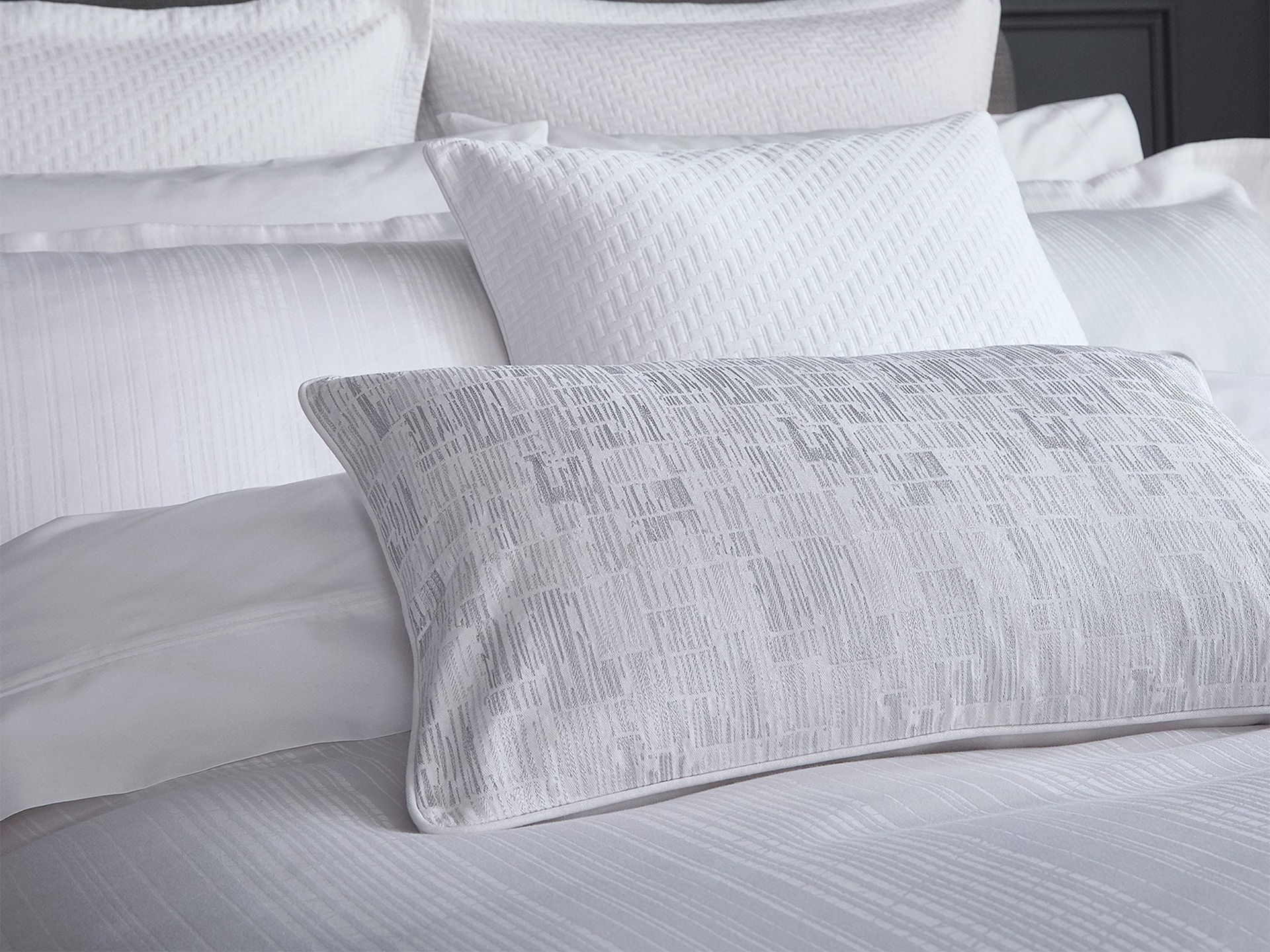
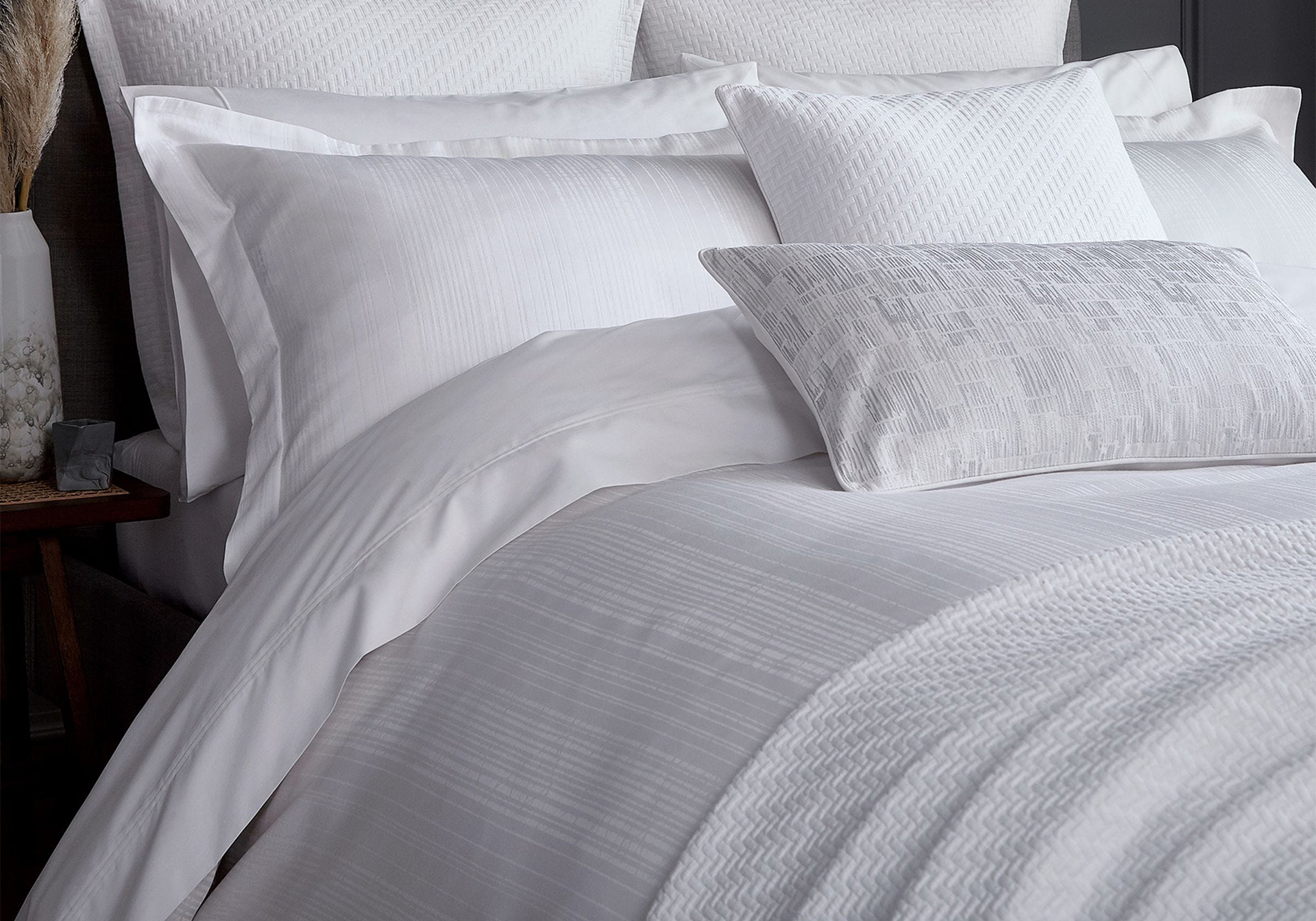
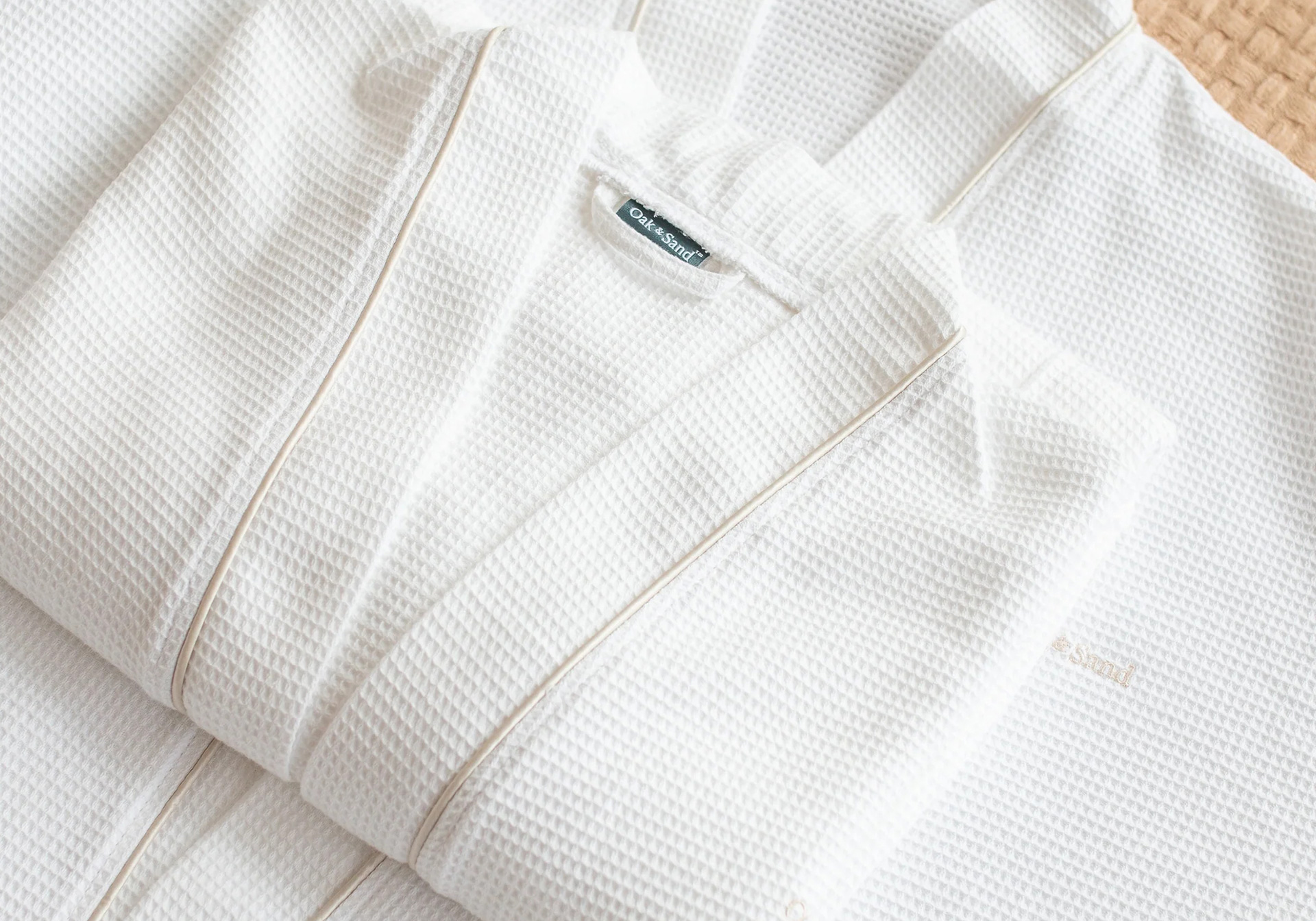
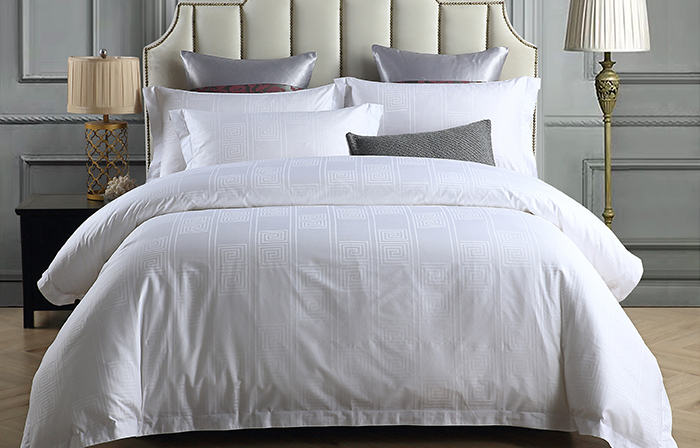
The color and design of the linen should match the overall style and brand image of the hotel. The common color of hotel linens is white, because white gives a clean and tidy feeling, and is easy to detect stains and facilitate timely cleaning. In addition, white linen is also easier to match with different styles of room decoration.
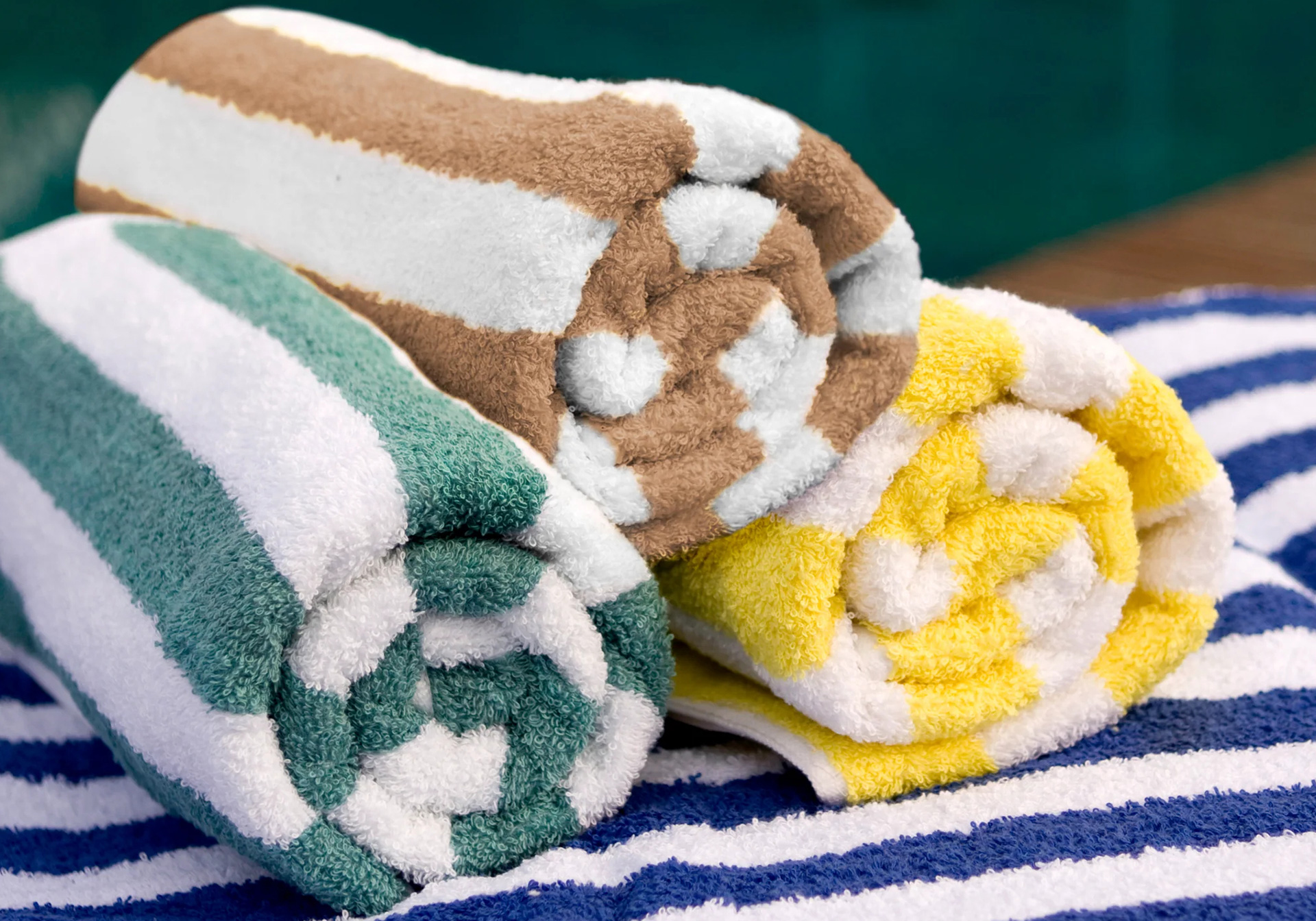
-White: Classic, versatile, suitable for most hotels.
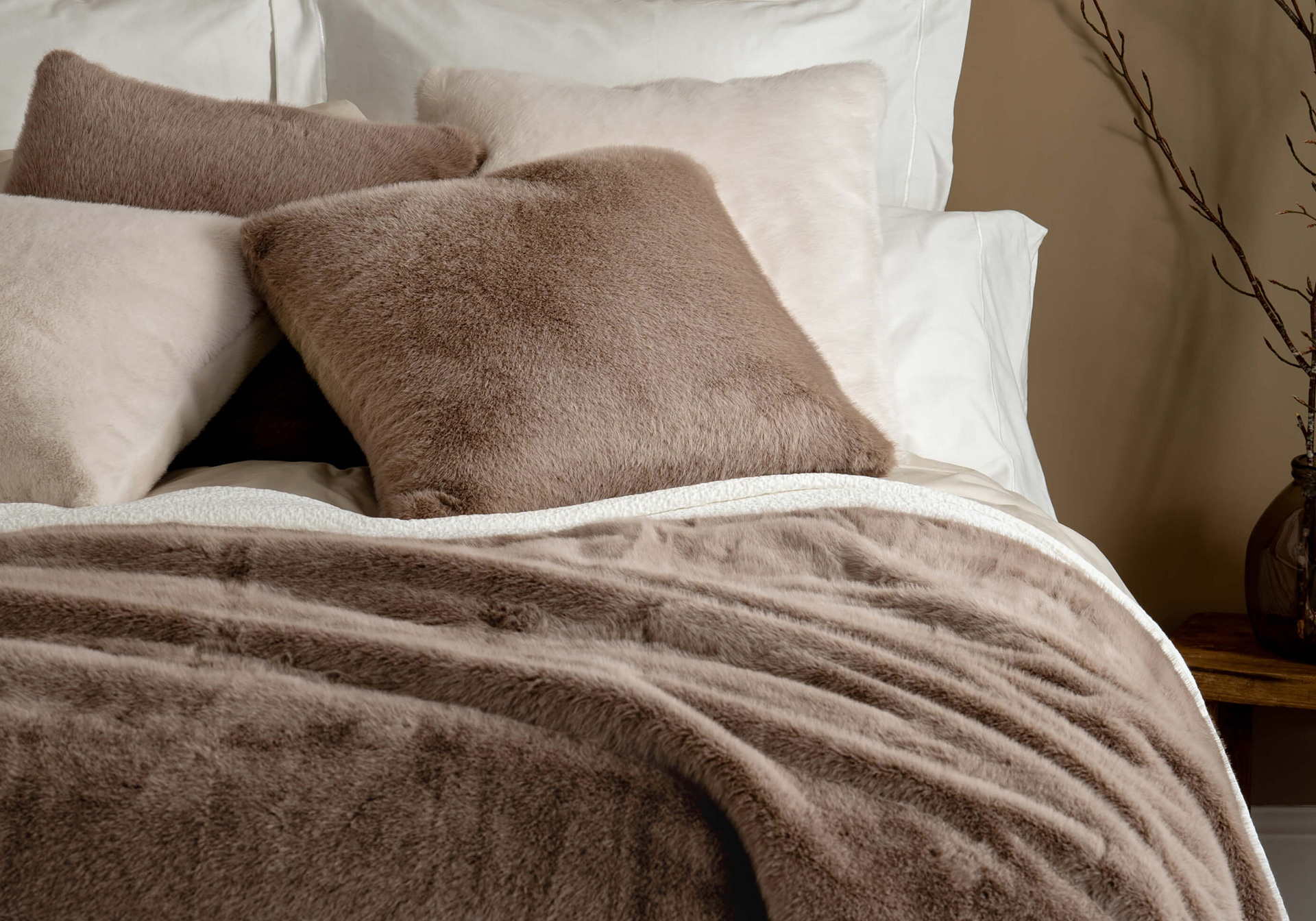
-Light colors such as beige and light gray are suitable for creating a warm and comfortable atmosphere.
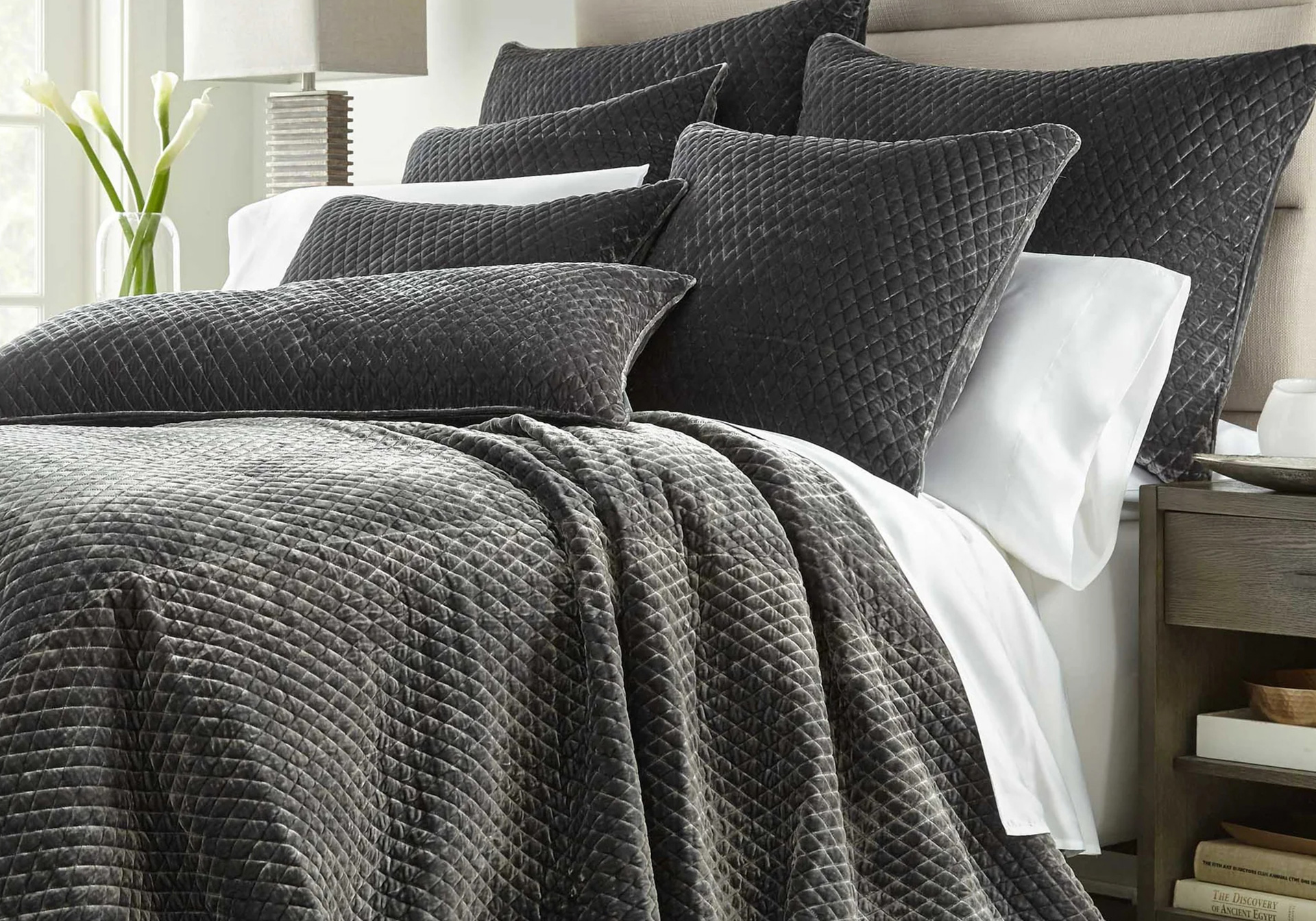
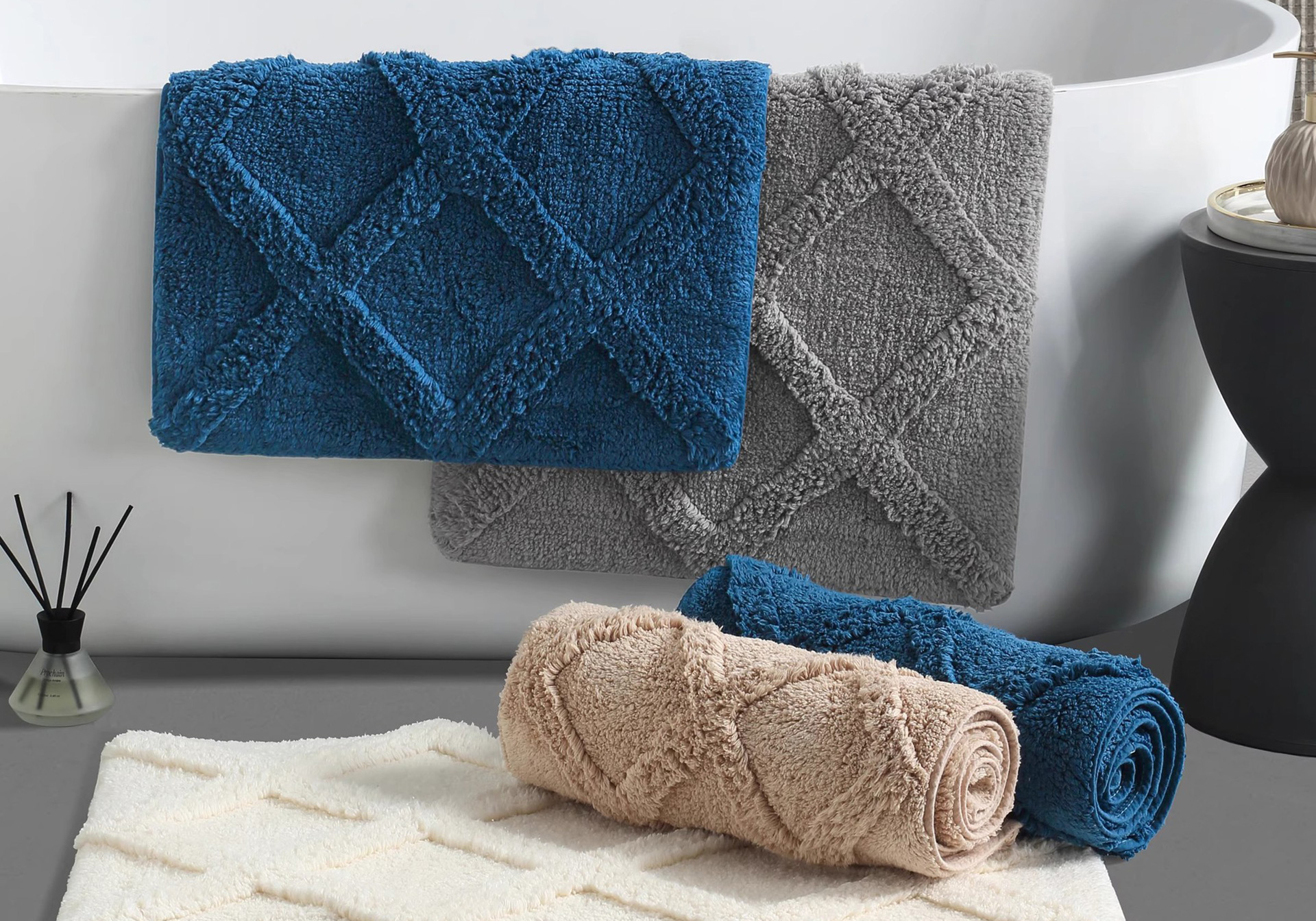
-Dark color scheme: such as dark blue, dark gray, etc., suitable for high-end hotels or specialty hotels, but it should be noted that dark cloth may cover up stains and increase the difficulty of cleaning.
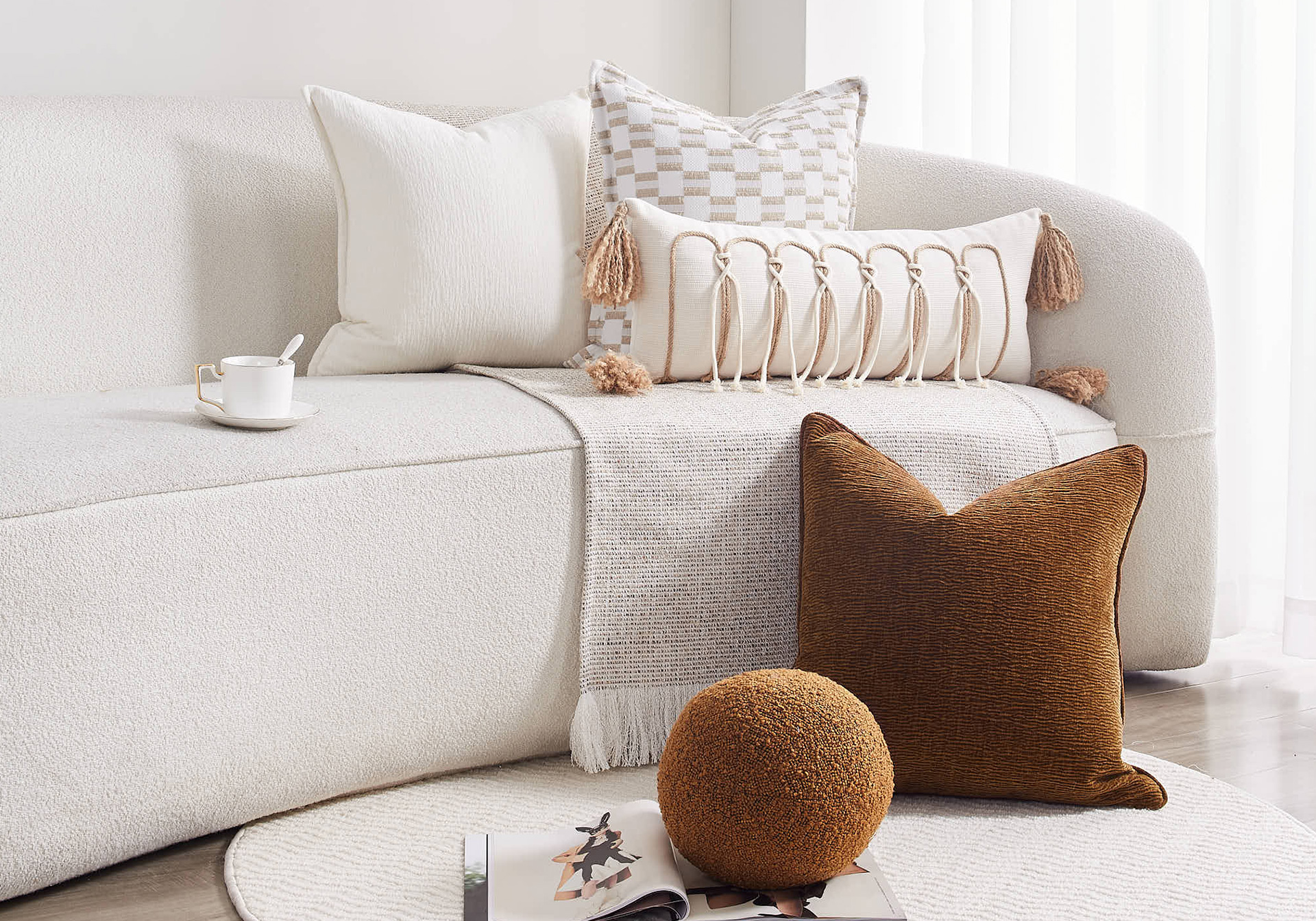
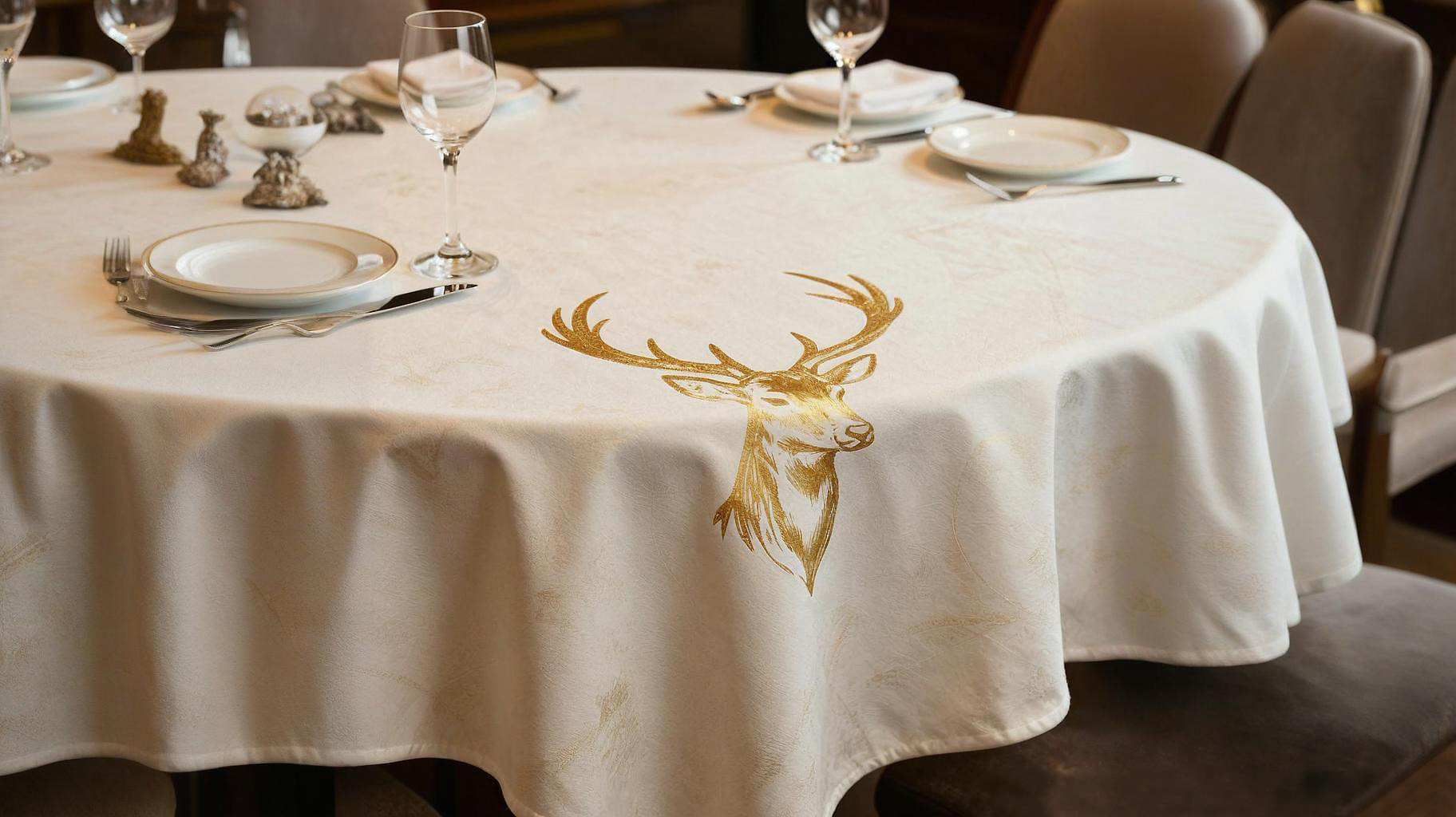
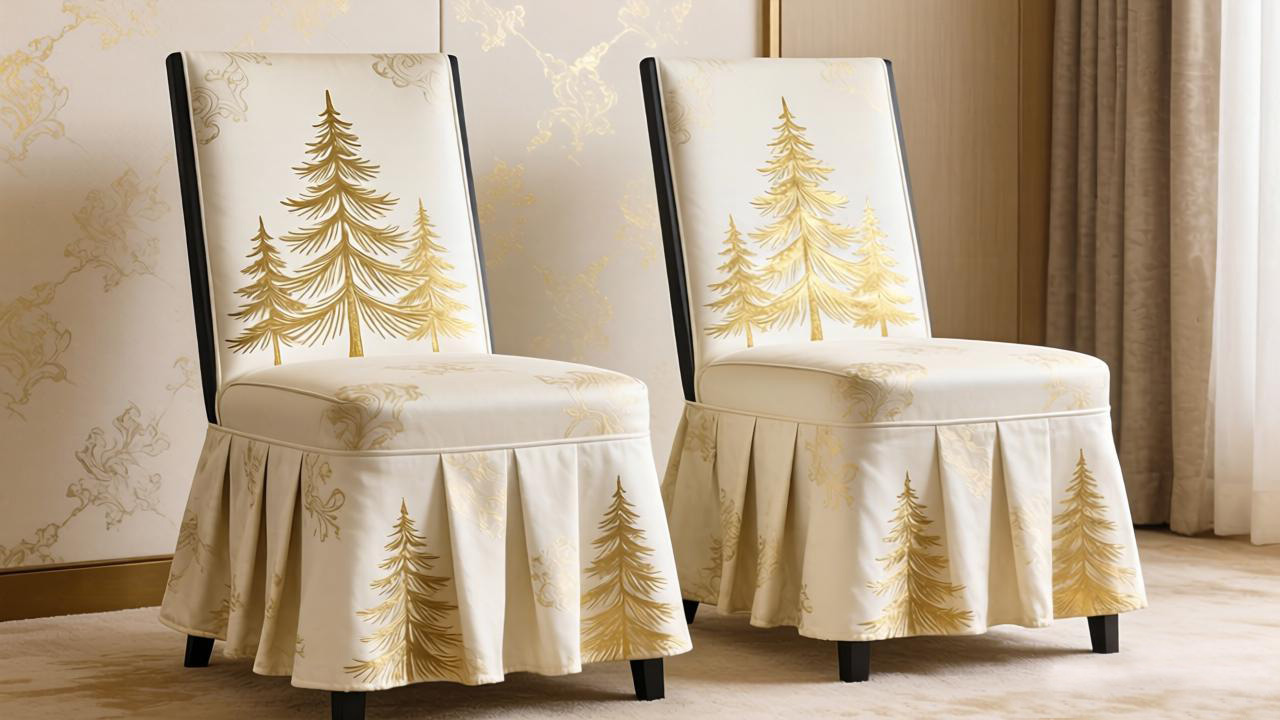
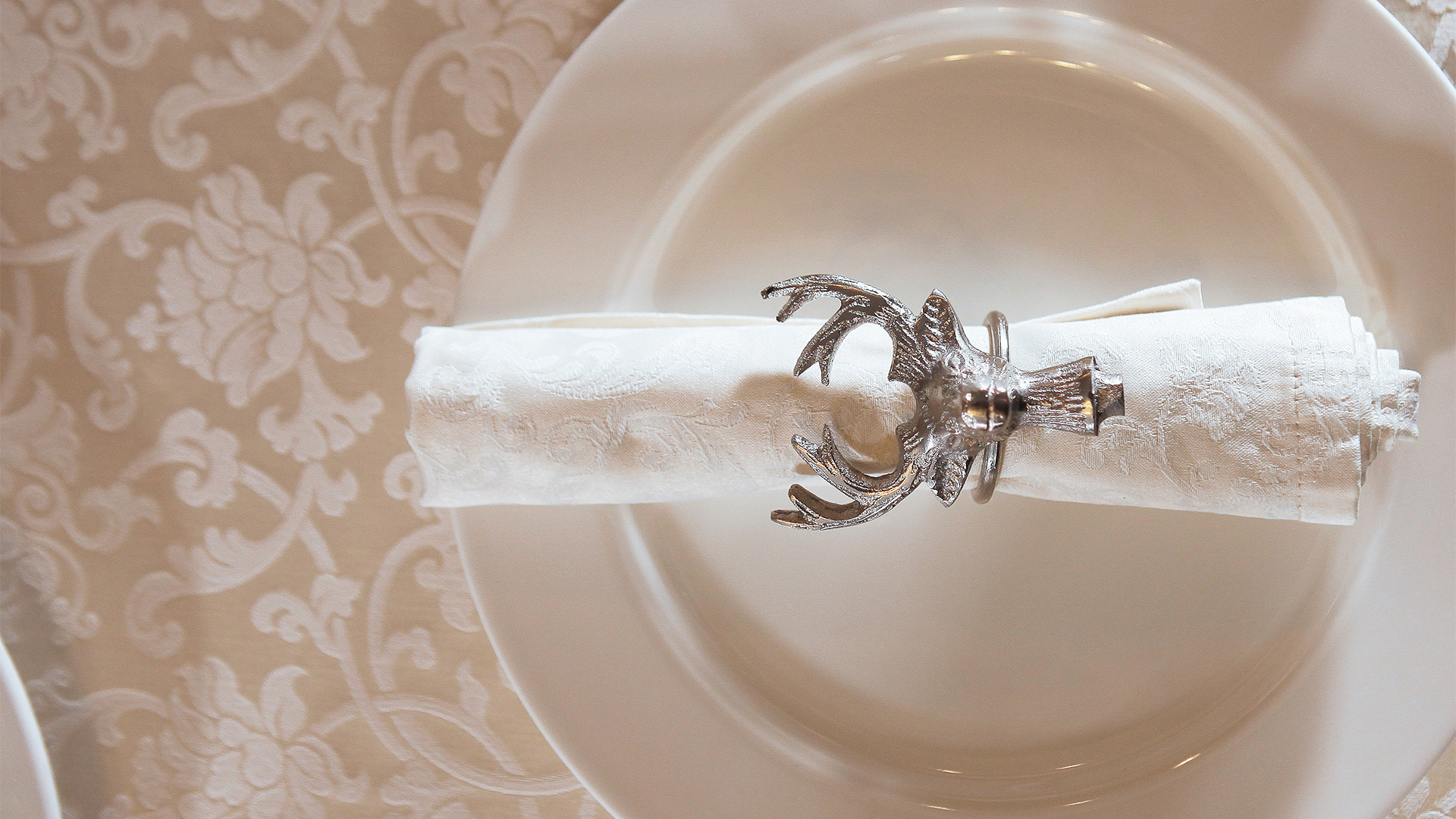
In terms of design, hotels can choose simple and elegant styles, or choose linen with patterns or embroidery according to the hotel's theme or style to enhance the visual effect of the guest rooms.
5. Dimensions and specifications
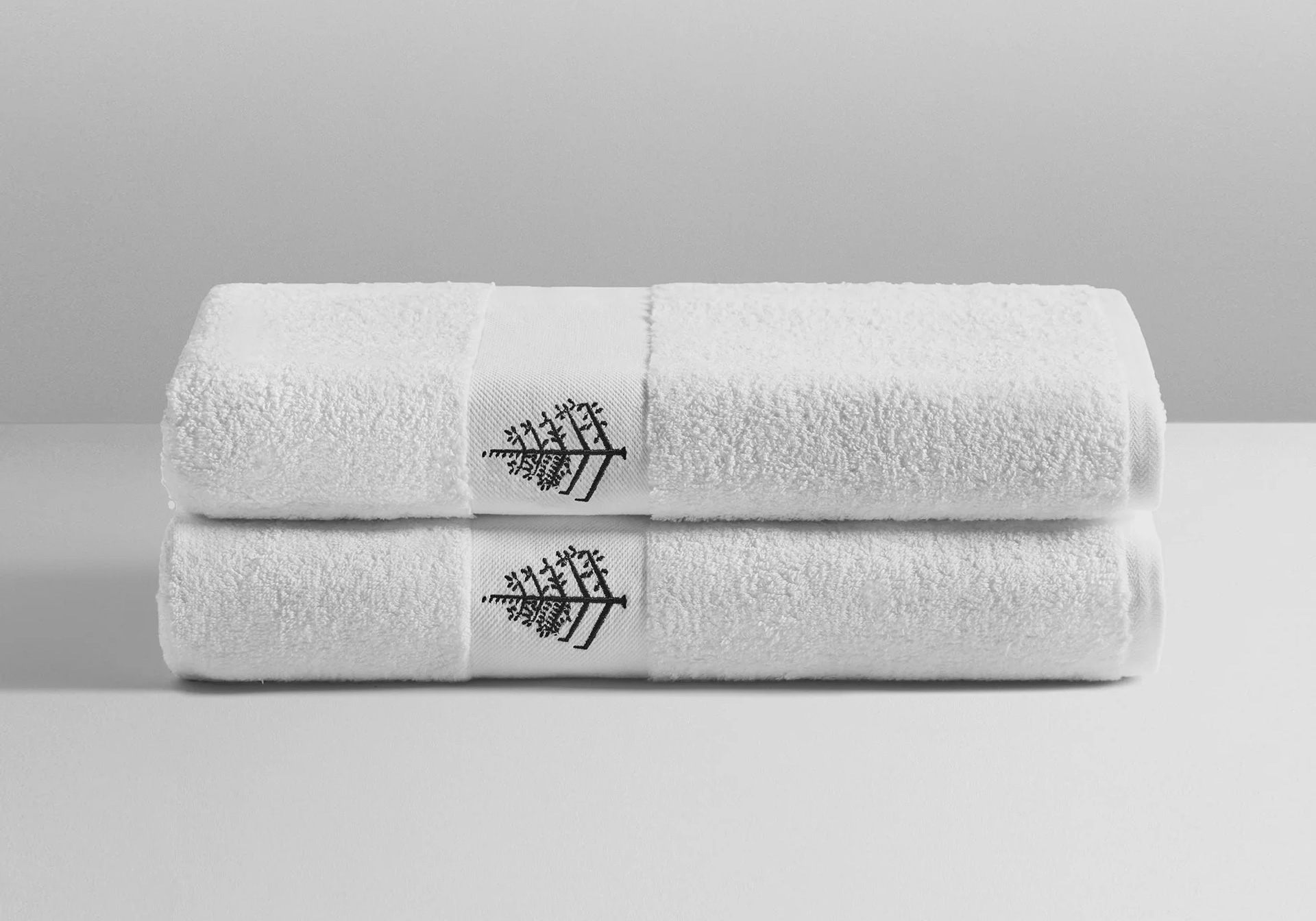
The size of the linen should be selected according to the actual needs of the hotel, such as bed type, pillows, and towel racks. Common bed sheet sizes include single beds, double beds, and large beds, while towel sizes include face towels, hand towels, and bath towels.
-Bed sheets: It should be ensured that the bed sheets can fully cover the mattress and have a certain sense of sagging to avoid displacement or detachment during use.
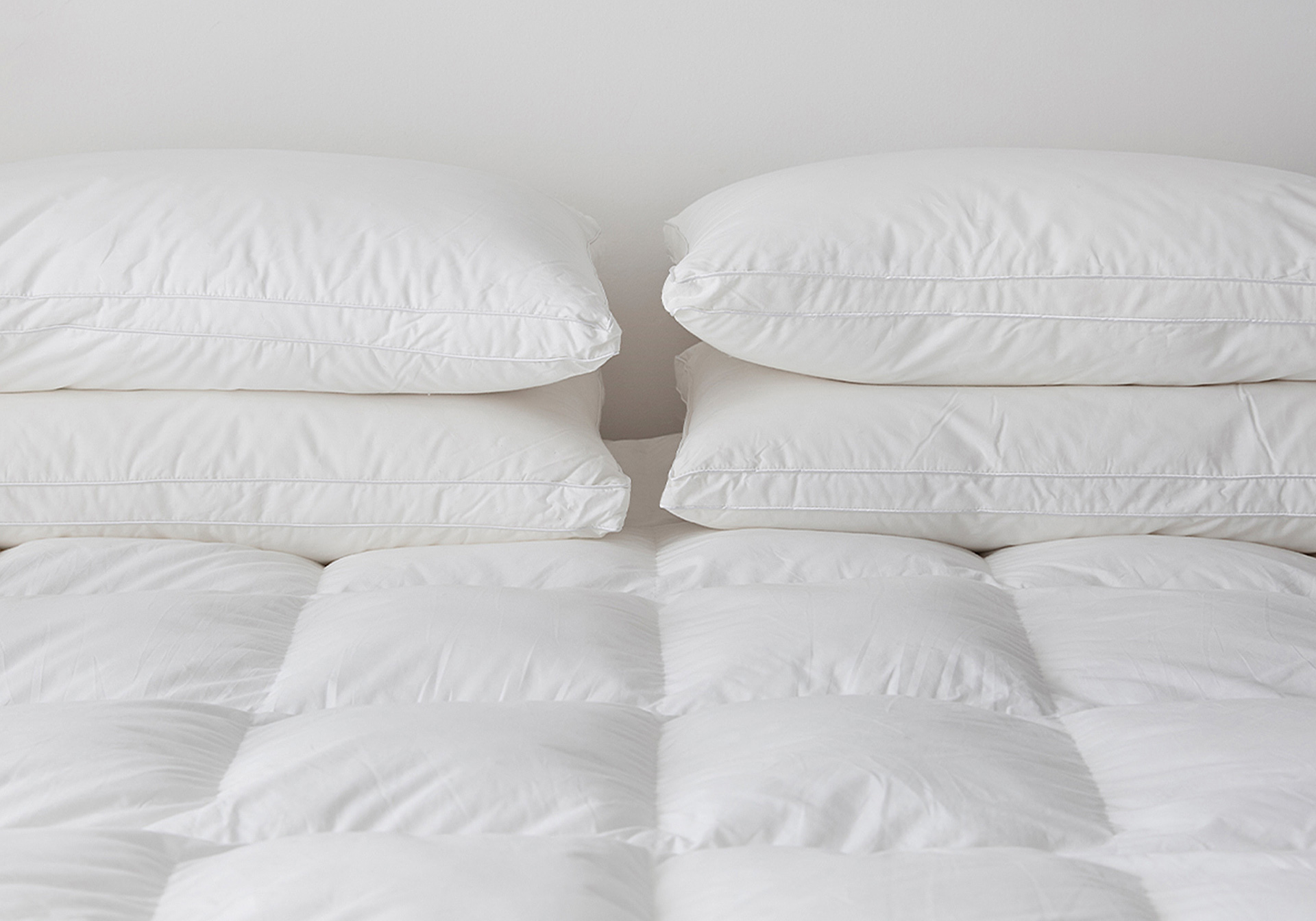
-Pillowcase: The appropriate pillowcase should be selected according to the size of the pillow, ensuring that the pillow can be fully inserted into the pillowcase without being too tight or too loose.
-Towels: The appropriate towel size should be selected based on the actual situation of the hotel room to ensure that guests feel comfortable when using them.
6. Durability and ease of maintenance
Hotel linens require frequent washing, so durability and ease of maintenance are important considerations when choosing linens.
-Durability: Choose durable and tear resistant linen to extend its service life and reduce replacement frequency.
-Maintainability: Choose fabrics that are easy to clean, not prone to fading, and not prone to pilling to reduce maintenance costs.
7. Environmental Protection and Sustainability
With the increasing awareness of environmental protection, more and more hotels are paying attention to the environmental performance of linens. Choosing eco-friendly linens not only helps reduce the impact on the environment, but also enhances the hotel's brand image.
-Environmentally friendly materials: Choose organic cotton, bamboo fiber and other environmentally friendly materials to reduce pollution to the environment.
-Sustainable production: Choose fabrics that use sustainable production processes to reduce energy consumption and carbon emissions.
-Recyclability: Choose recyclable or biodegradable linens to reduce waste generation.
8. Cost and Budget
Linen is one of the important costs in hotel operation, so when choosing linen, it is necessary to plan reasonably according to the hotel's budget.
-One time investment: High quality linen has a higher price, but a longer service life, which may be more economical in the long run.
-Maintenance cost: Choosing easy to maintain linens can reduce the cost of washing, replacing, and repairing.
9. Supplier reputation and after-sales service
Choose a reputable supplier to ensure the quality and delivery time of the linen. In addition, good after-sales service can promptly solve problems with linens and reduce hotel losses.
10. Health and Safety
Hotel linens come into direct contact with guests, so hygiene and safety are the primary considerations when choosing linens. Choose linens that meet hygiene standards to ensure that guests feel safe and comfortable when using them.
-Antibacterial and mite resistant: Choose cloth with antibacterial and mite resistant functions to reduce the growth of bacteria and mites.
-Non irritating: Choose non irritating and harmless linen to ensure the health of customers' skin.
Conclusion
Choosing hotel linens is a complex process that requires comprehensive consideration of multiple factors such as material, yarn count density, weight, color, design, size, durability, environmental friendliness, and cost. Through reasonable selection and planning, hotels can ensure the quality and comfort of linens, enhance guests' stay experience, while reducing operating costs and achieving sustainable development.
Stay updated, join our mailing list and get 10% off your first order of $100.

 +86 189 9843 1185
 chloe@sanhootel.com+86 189 9849 2275simon@sanhootel.com
 Room 309, Building 11, No.728, Shibei Industrial Road, Panyu District, Guangzhou 511430, China