Company News
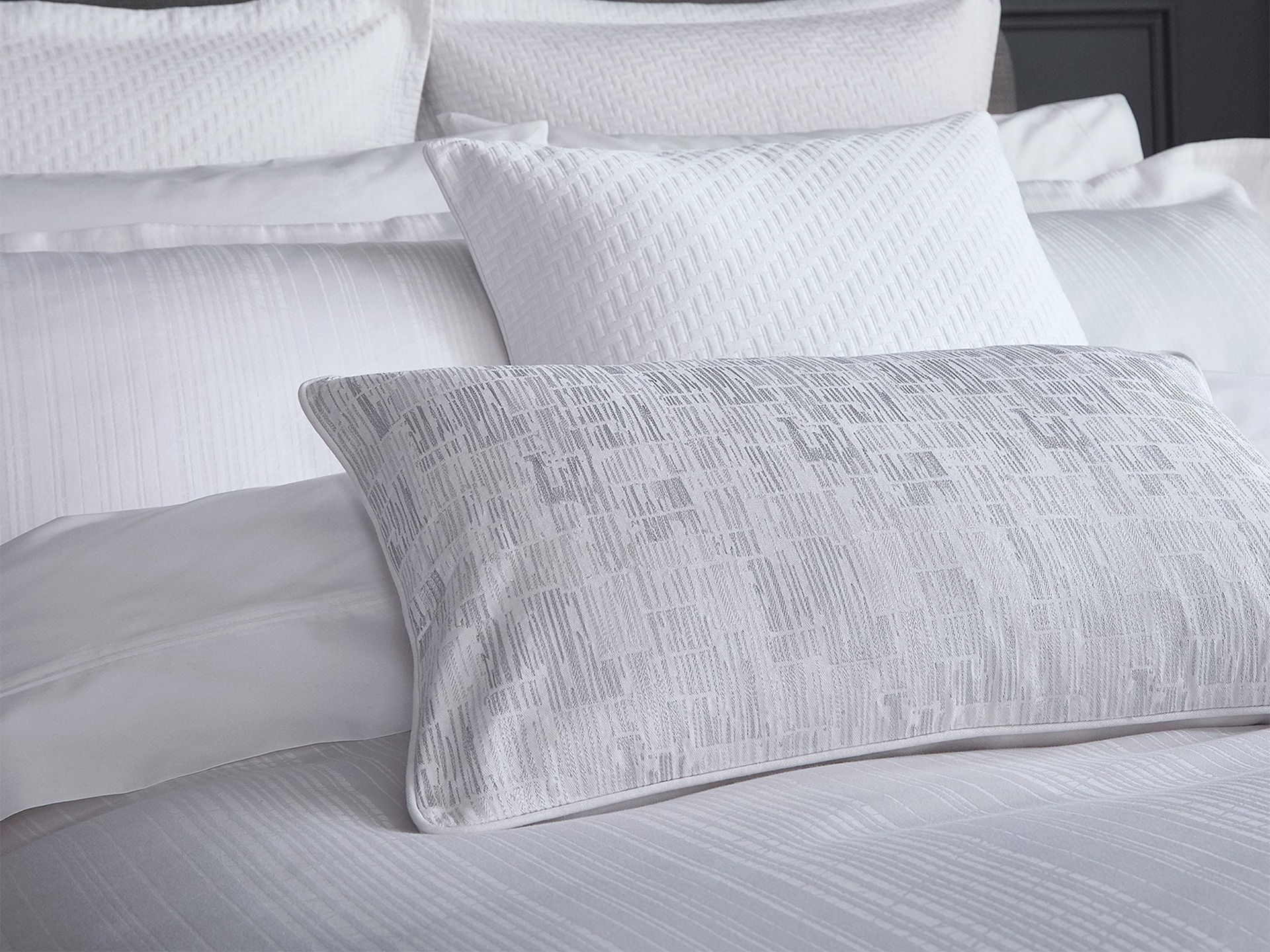
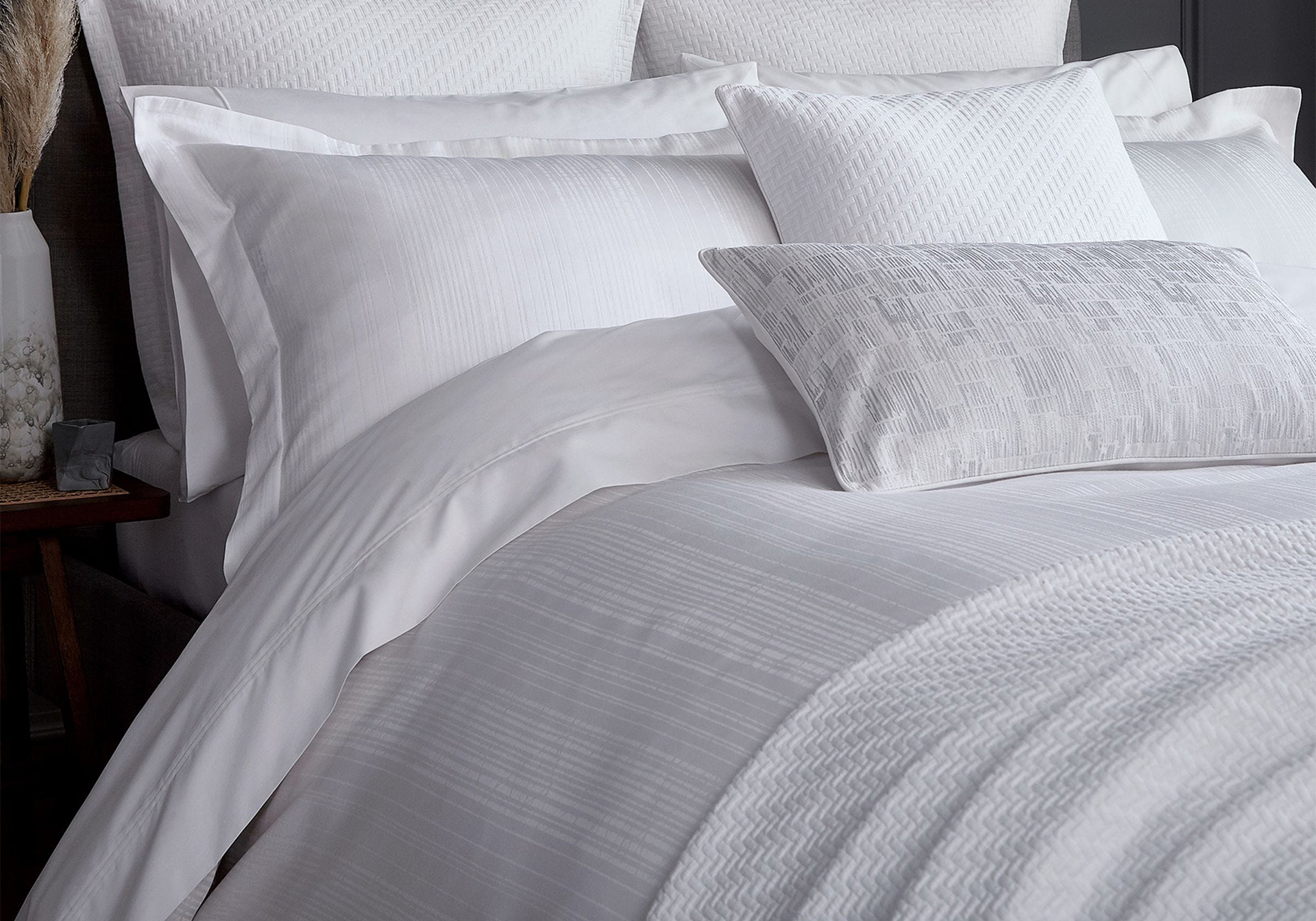
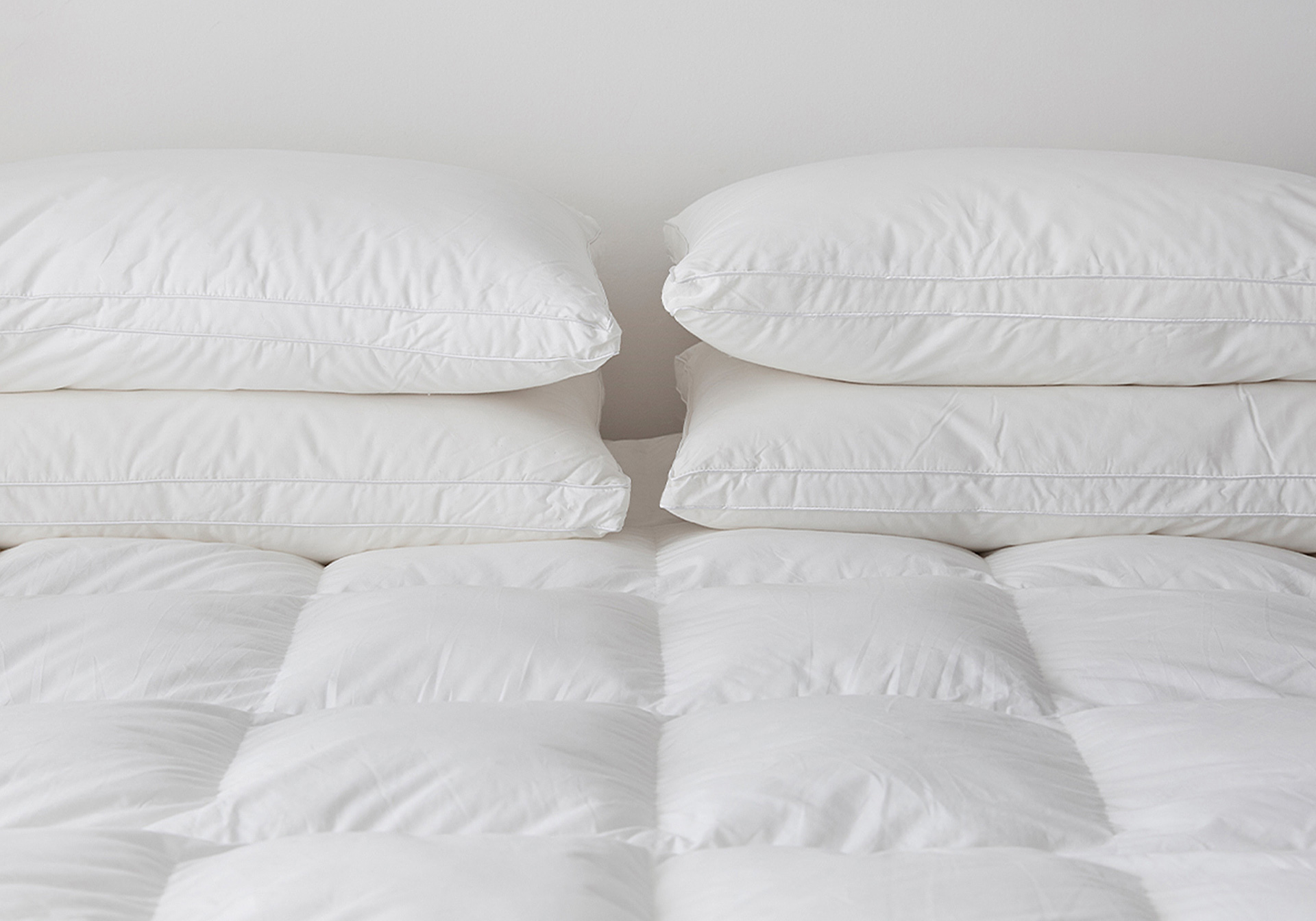
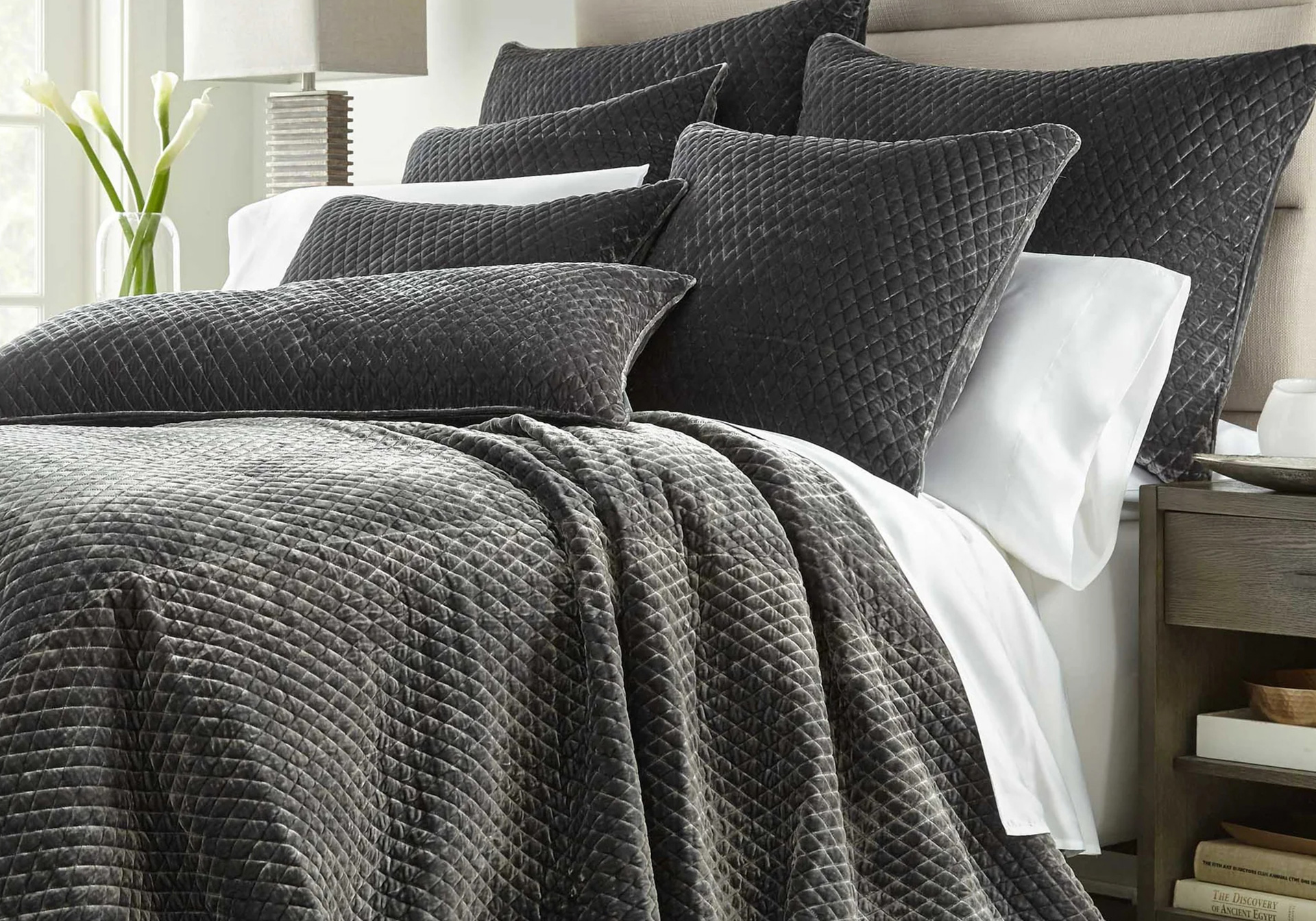
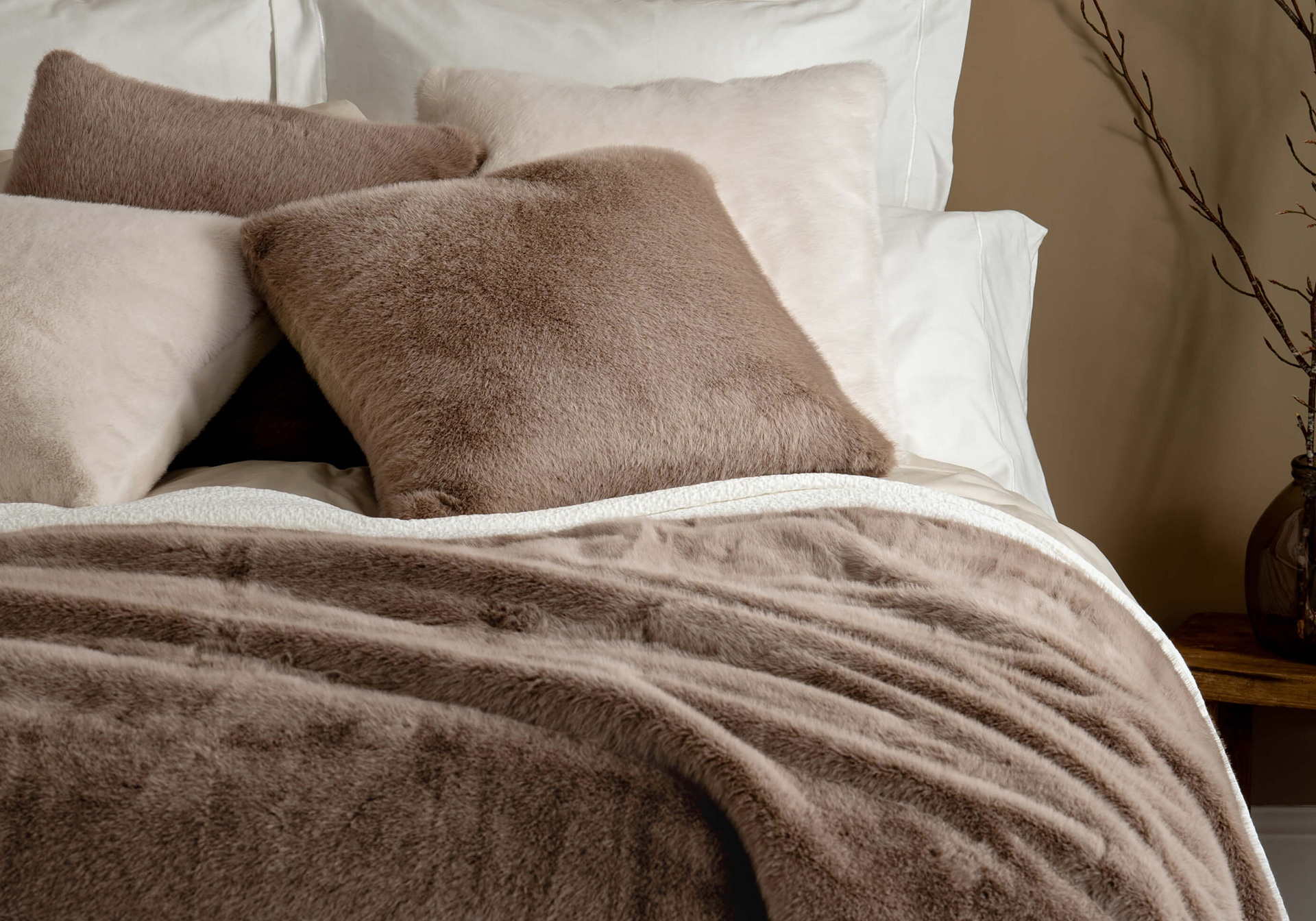
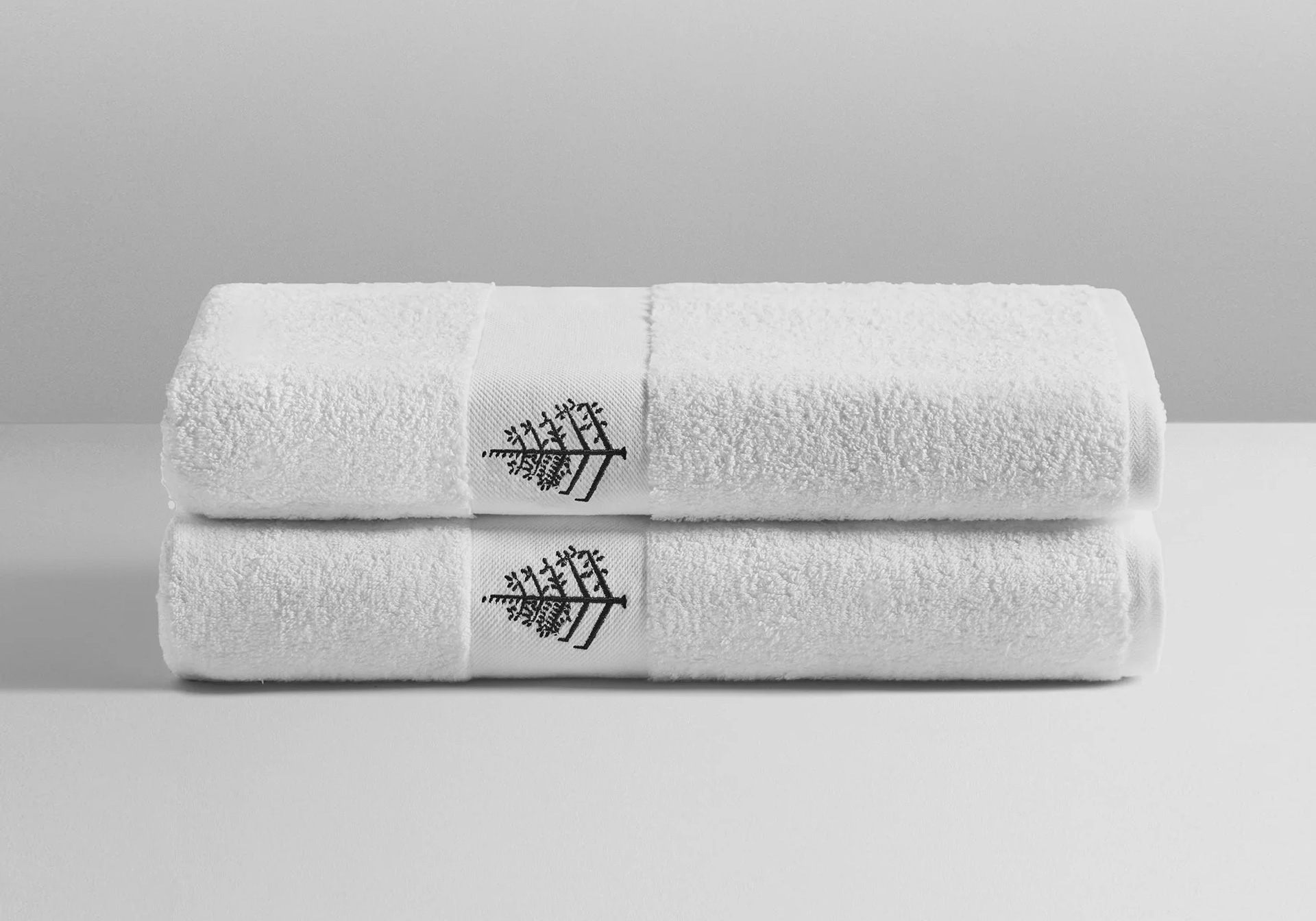
The selection of linens (including bed sheets, duvet covers, pillowcases, towels, etc.) is crucial in the operation of hotels and guesthouses. Linen not only directly affects guests' check-in experience, but also relates to the hotel's operating costs and brand image. Therefore, finding a balance between cost and quality is a question that every hotel manager needs to carefully consider. The following will explore from multiple perspectives how to achieve a balance between cost and quality in linen selection.
1. Clarify requirements and positioning
Firstly, hotels need to clarify their linen needs based on their positioning and target customer groups. The requirements for linen vary greatly among hotels of different levels. For example, economy hotels may focus more on cost control, while high-end luxury hotels emphasize the comfort and luxury of linen. Therefore, hotel managers should clarify the basic requirements of linens based on their own market positioning, avoiding excessive pursuit of high-end or cost saving.
2. Material selection
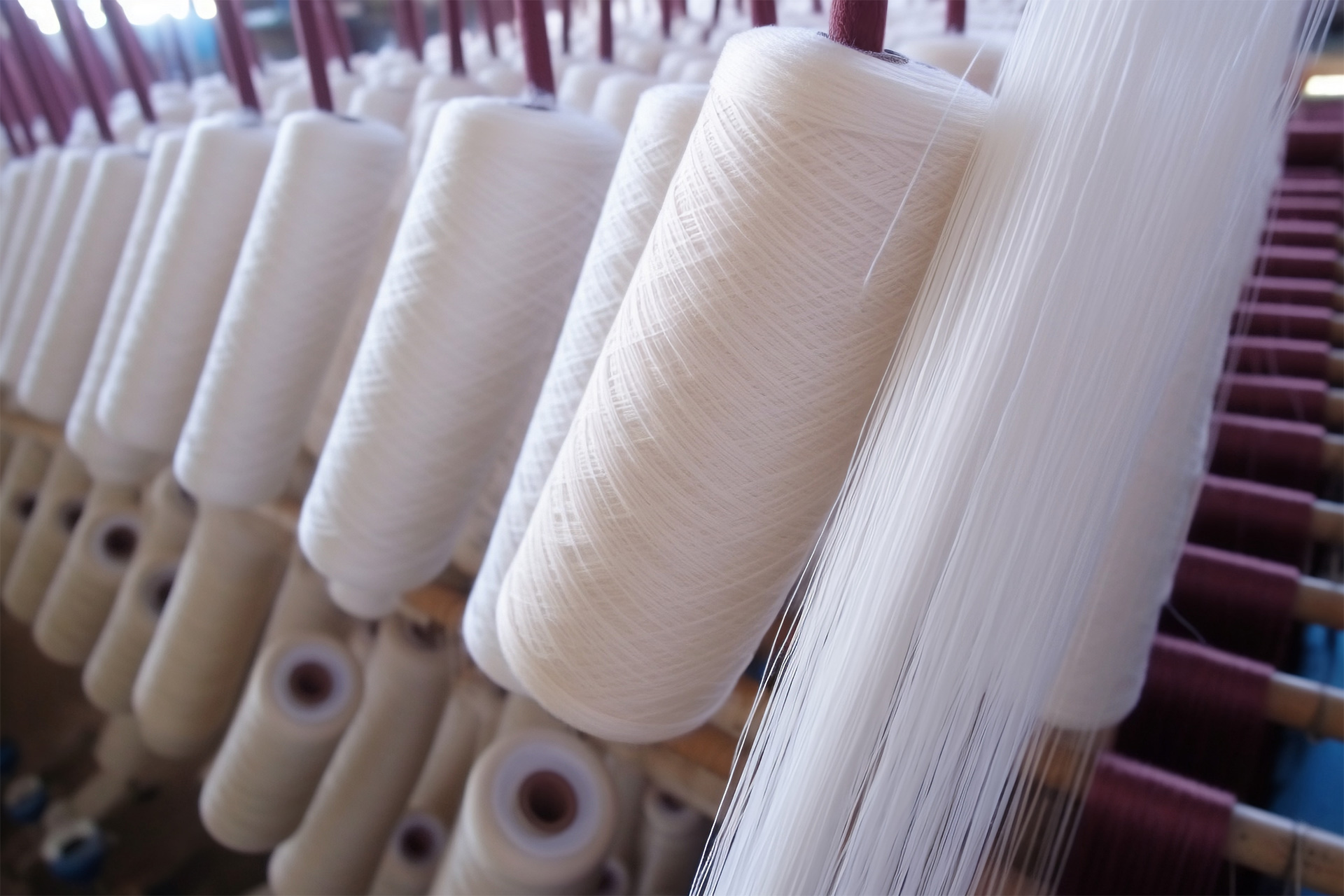
The material of linen is a key factor affecting its quality and cost. Common linen materials include pure cotton, polyester cotton blend, bamboo fiber, etc.
-Pure cotton: Pure cotton linen is soft and comfortable, with good moisture absorption, and is suitable for most hotels. But its cost is high, and it is prone to wrinkling and shrinking, requiring more maintenance costs.
-Polyester cotton blend: Polyester cotton blend fabric combines the comfort of cotton with the durability of polyester, with relatively low cost and easy maintenance, suitable for economy hotels.
-Bamboo fiber: Bamboo fiber cloth grass has natural antibacterial and deodorizing functions, and is soft and comfortable, but the cost is high, suitable for high-end hotels.
When selecting materials, hotels should choose materials with high cost-effectiveness based on their own budget and customer needs. For example, economy hotels can choose polyester cotton blends, while high-end hotels can choose pure cotton or bamboo fiber.
3. Yarn count density
Yarn count density is one of the important indicators for measuring the quality of linen. The higher the yarn count density, the softer and more durable the linen, but the higher the cost. Generally speaking, the yarn count density of hotel linens is between 40 and 80.
-40 units: Suitable for economy hotels with lower costs, but relatively poor comfort and durability.
-60 units: Suitable for mid-range hotels, balancing comfort and cost.
-80 pieces: Suitable for high-end hotels, providing comfort and luxury, but at a higher cost.
Hotels should choose the appropriate yarn count density based on their positioning and budget. For example, economy hotels can choose 40 units, mid-range hotels can choose 60 units, and high-end hotels can choose 80 units.
4. Durability and maintenance costs
The durability of linen directly affects its service life and replacement frequency, which in turn affects the cost of hotels. High quality linen may have a higher initial cost, but due to its strong durability, it can reduce the frequency of replacement and thus lower long-term costs.
In addition, the maintenance cost of linen is also a factor that needs to be considered. For example, pure cotton linen is comfortable but requires more washing and maintenance, while polyester cotton blended linen is easier to care for. Therefore, when choosing linens, hotels should comprehensively consider their initial cost, durability, and maintenance costs, and choose products with high cost-effectiveness.
5. Supplier selection
Choosing reliable suppliers is the key to ensuring the quality and cost control of linen. Hotels should choose reputable and experienced suppliers to ensure the quality and delivery time of linens. In addition, hotels can also obtain more favorable prices through bulk purchases, long-term partnerships, and other means.
When selecting suppliers, hotels should conduct thorough research and comparison to understand information on supplier product quality, after-sales service, prices, and other aspects. Meanwhile, the hotel can also ensure the quality of the linen meets the requirements through sample testing.
6. Environmental Protection and Sustainability
With the increasing awareness of environmental protection, more and more hotels are paying attention to the environmental friendliness and sustainability of linens. Choosing eco-friendly materials for linens can not only enhance the hotel's brand image, but also reduce its impact on the environment.
For example, bamboo fiber cloth grass has natural antibacterial and deodorizing functions, and the production process is environmentally friendly, making it suitable for hotels that pay attention to environmental protection. In addition, hotels can also choose linen suppliers who have passed environmental certification to ensure that their products meet environmental standards.
7. Customer feedback and adjustments
The choice of linen is not fixed, and hotels should adjust it in a timely manner based on customer feedback and actual usage. For example, if customers generally report that the linen is not comfortable enough, the hotel can consider upgrading the material or yarn count density; If the durability of the linen is insufficient, the hotel can choose more durable materials or increase the frequency of replacement.
By continuously collecting customer feedback and conducting data analysis, hotels can optimize the selection of linens and achieve a better balance between cost and quality.
8. Inventory management and replacement strategy
Reasonable inventory management and replacement strategies are also important means of controlling linen costs. Hotels should develop a scientific inventory management plan based on the frequency of use and wear and tear of linens to avoid inventory backlog or shortage.
In addition, hotels can also extend the service life of linens through reasonable replacement strategies. For example, it is possible to regularly rotate the use of different batches of linen to avoid excessive use and premature loss of a certain batch of linen.
Conclusion
In the selection of hotel linens, balancing cost and quality requires comprehensive consideration of multiple factors, including hotel positioning, material selection, yarn count density, durability, supplier selection, environmental friendliness, customer feedback, and inventory management. Through scientific selection and reasonable strategies, hotels can effectively control costs, improve customer satisfaction and operational efficiency while ensuring the quality of linens.
Stay updated, join our mailing list and get 10% off your first order of $100.

 +86 189 9843 1185
 chloe@sanhootel.com+86 189 9849 2275simon@sanhootel.com
 Room 309, Building 11, No.728, Shibei Industrial Road, Panyu District, Guangzhou 511430, China