Company News
In today's increasingly environmentally conscious world, the hotel industry is facing a major challenge of how to achieve sustainable development while providing high-quality services. As an indispensable component of hotel operations, linen's environmental friendliness and comfort directly affect the hotel's operational efficiency and brand image. According to relevant data, the hotel industry consumes an astonishing amount of linen every year, and the environmental pollution caused by traditional linen production and use is becoming increasingly prominent. How to achieve environmentally friendly operation of linens while ensuring guests' comfortable experience has become an important issue that urgently needs to be addressed in the hotel industry.
1、 Selection and application of environmentally friendly linen
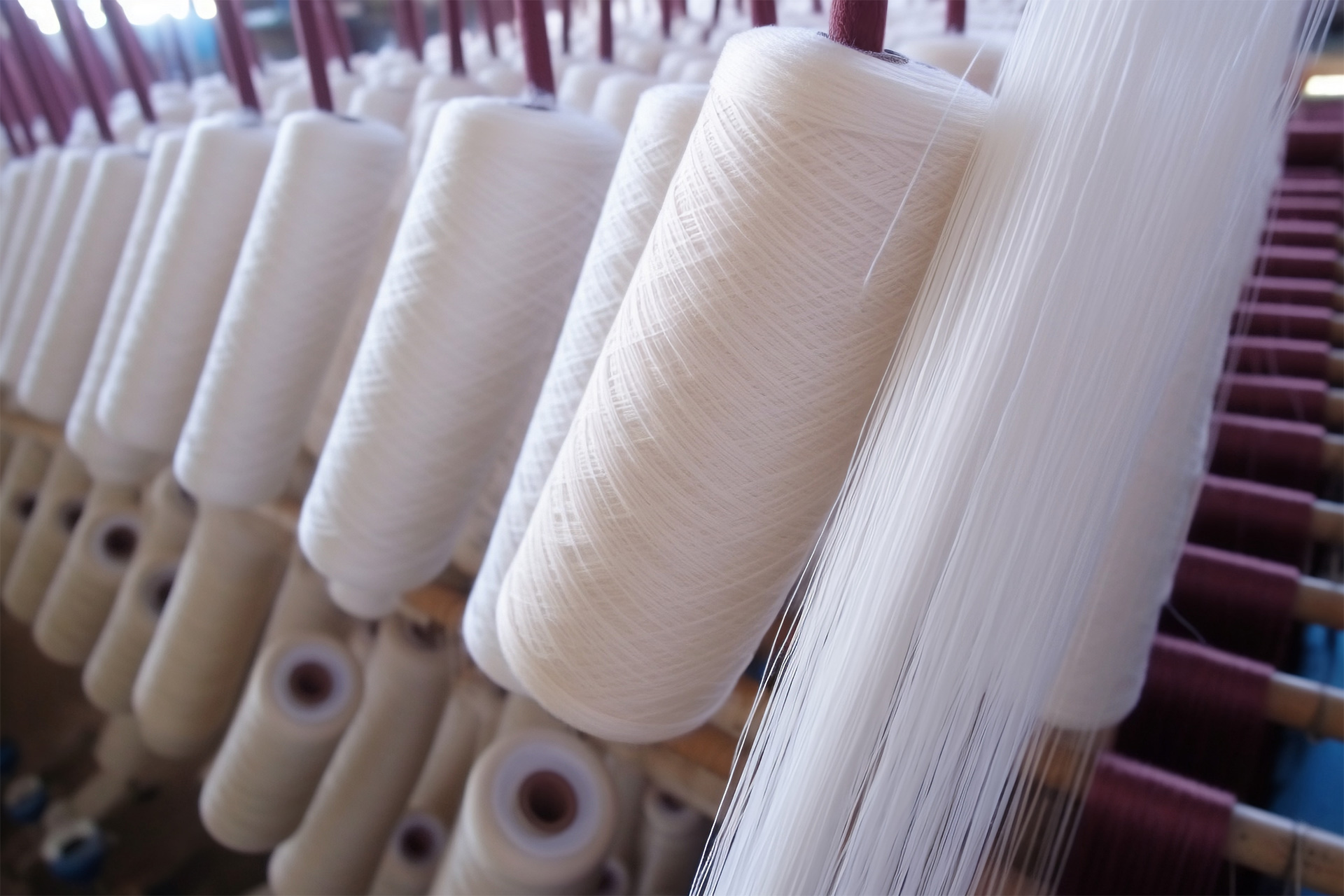
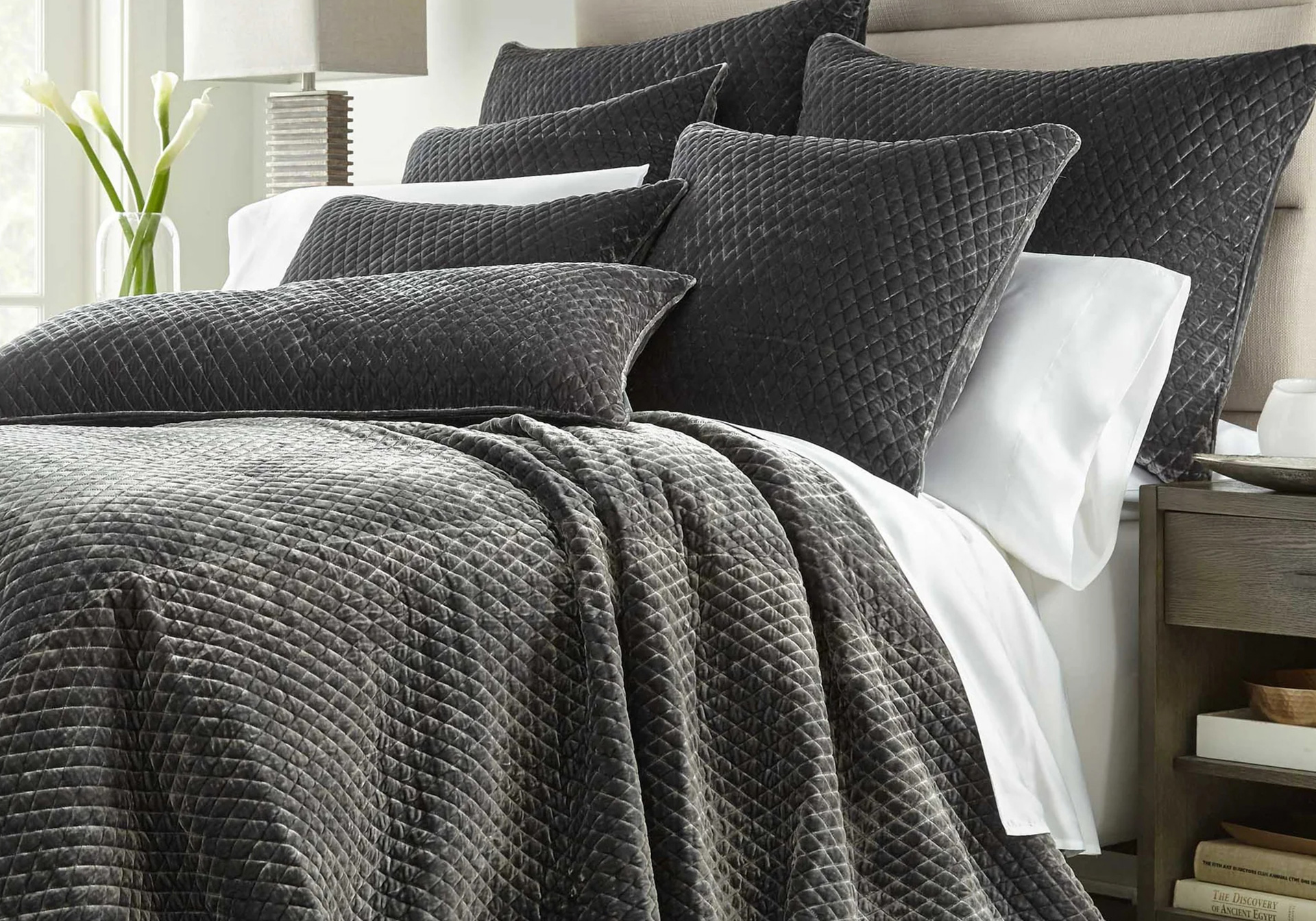
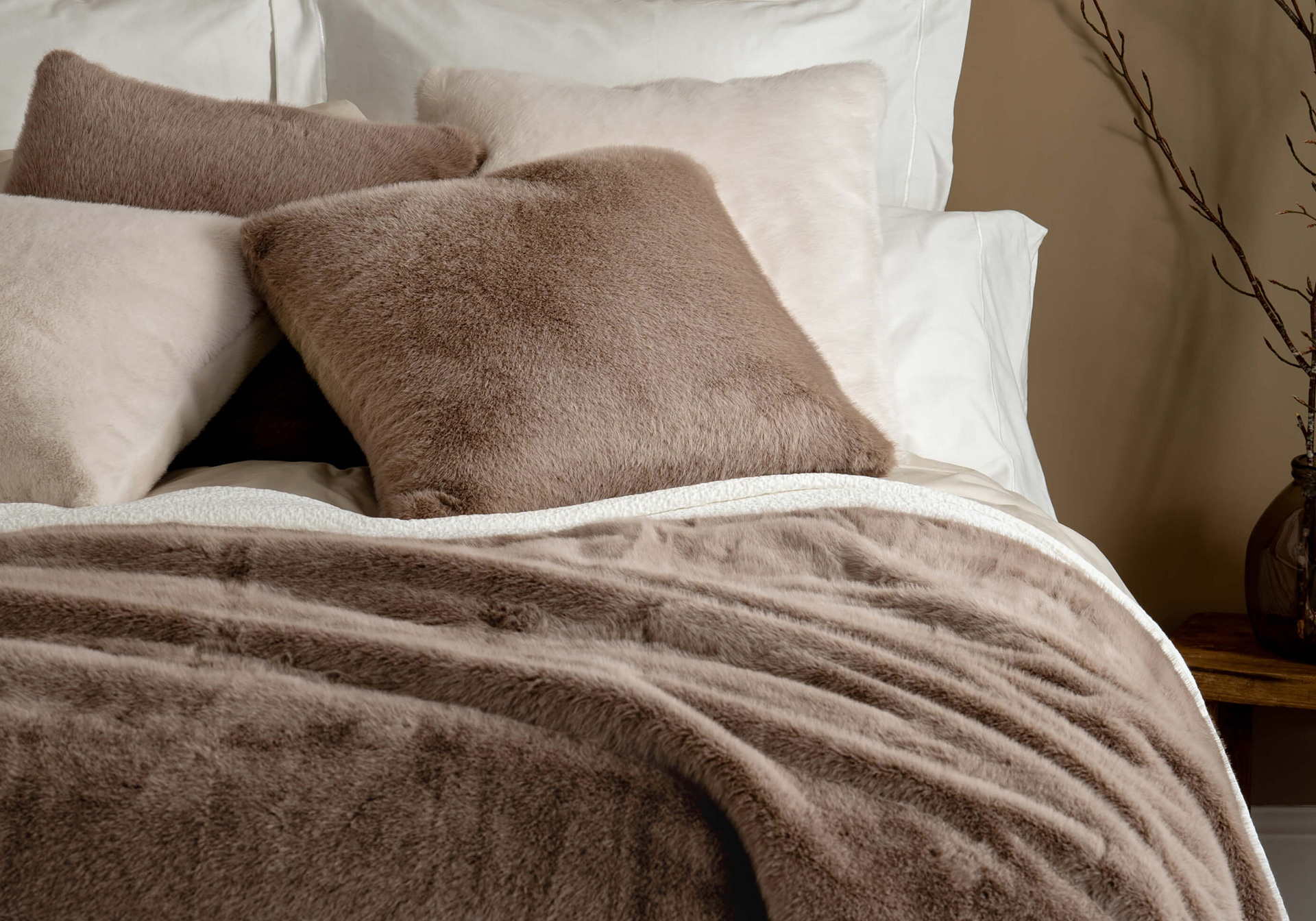
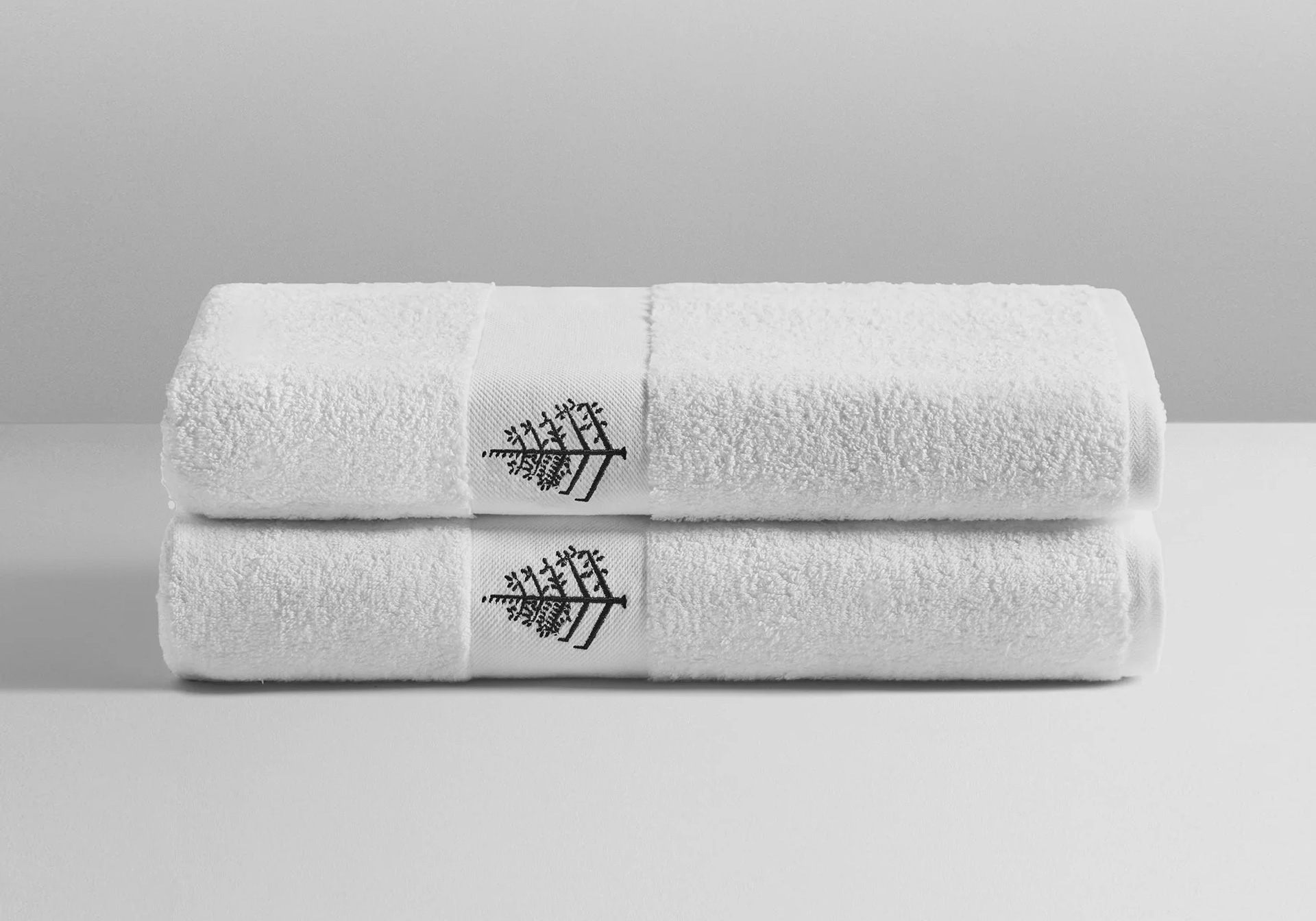
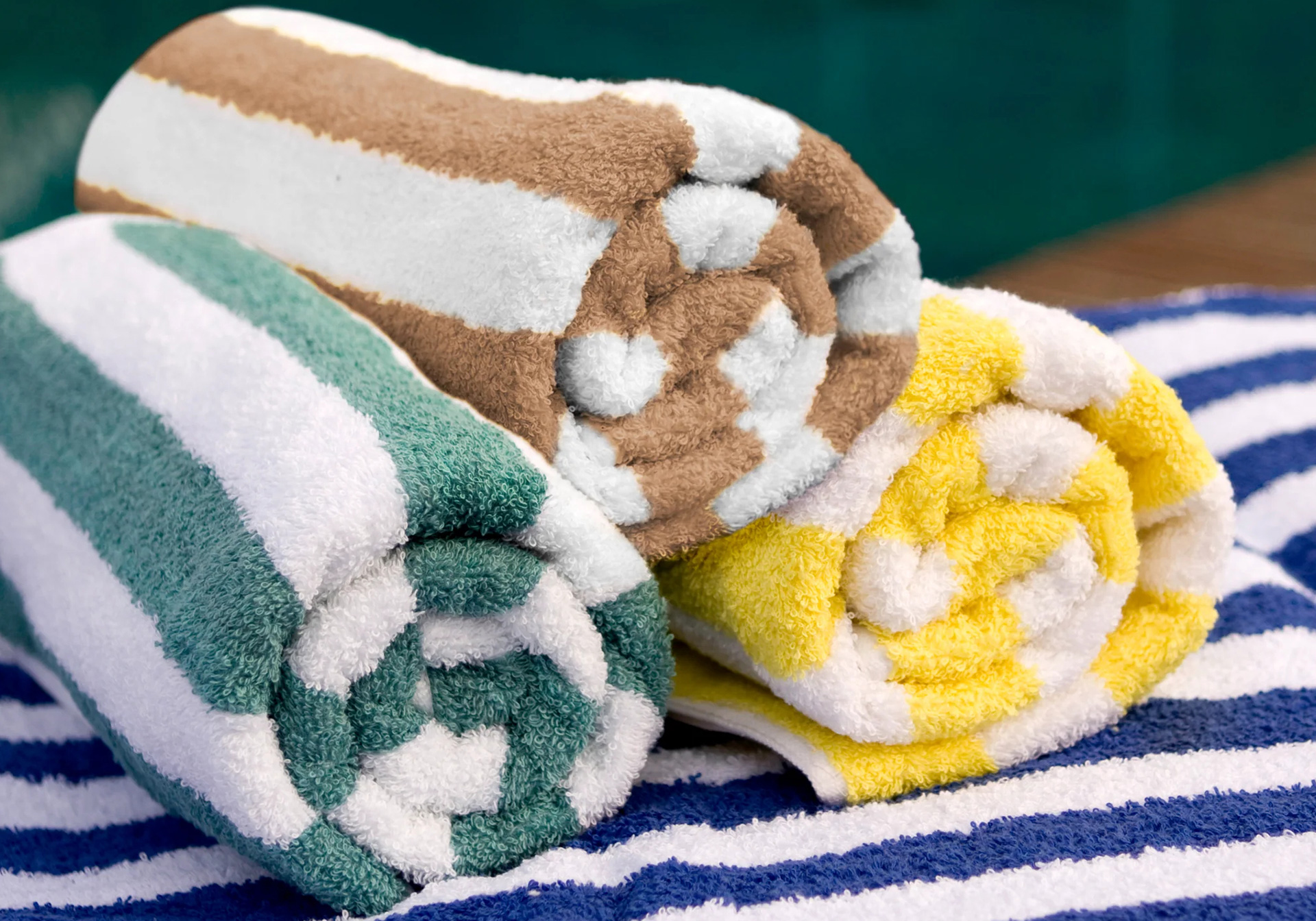
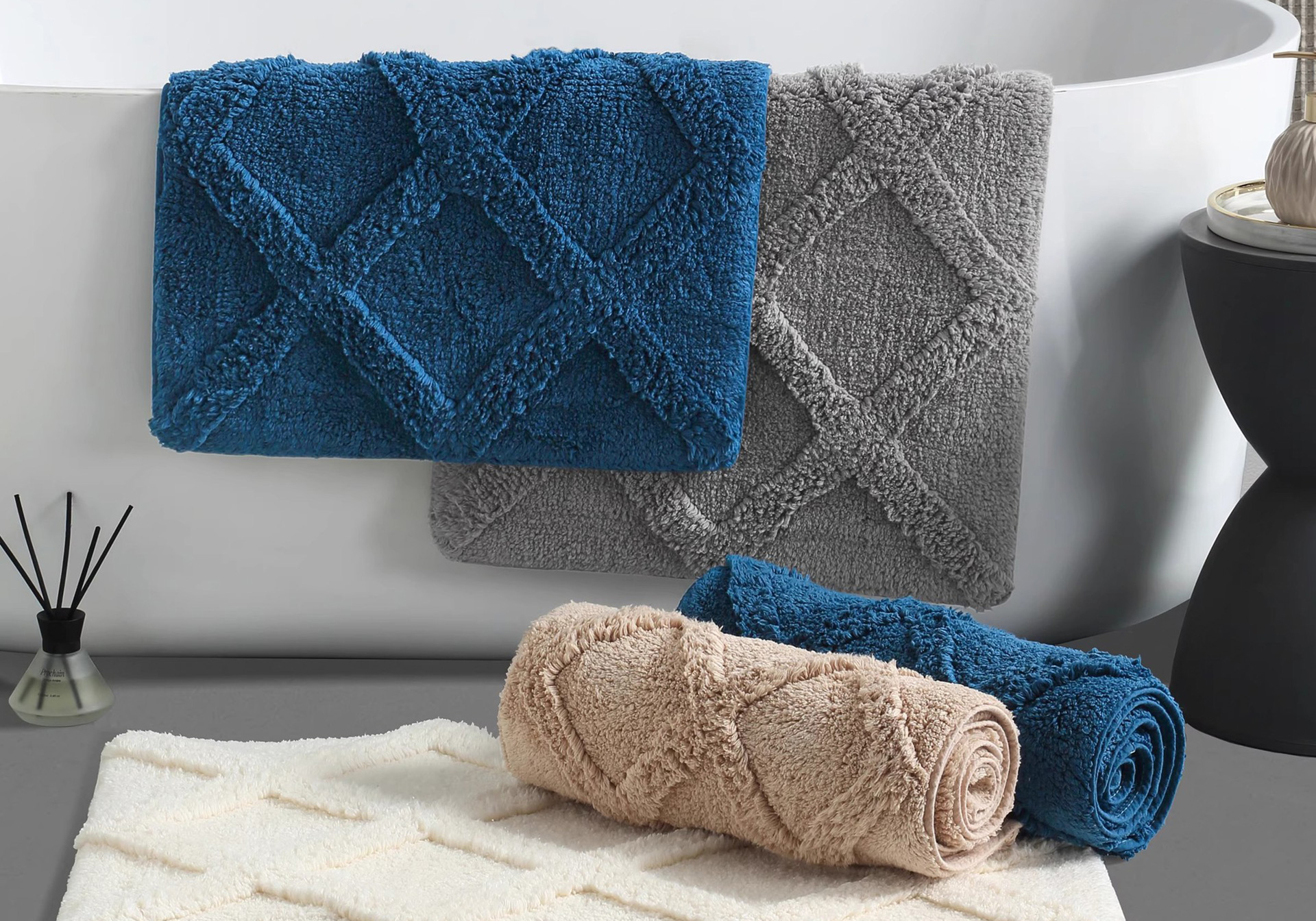
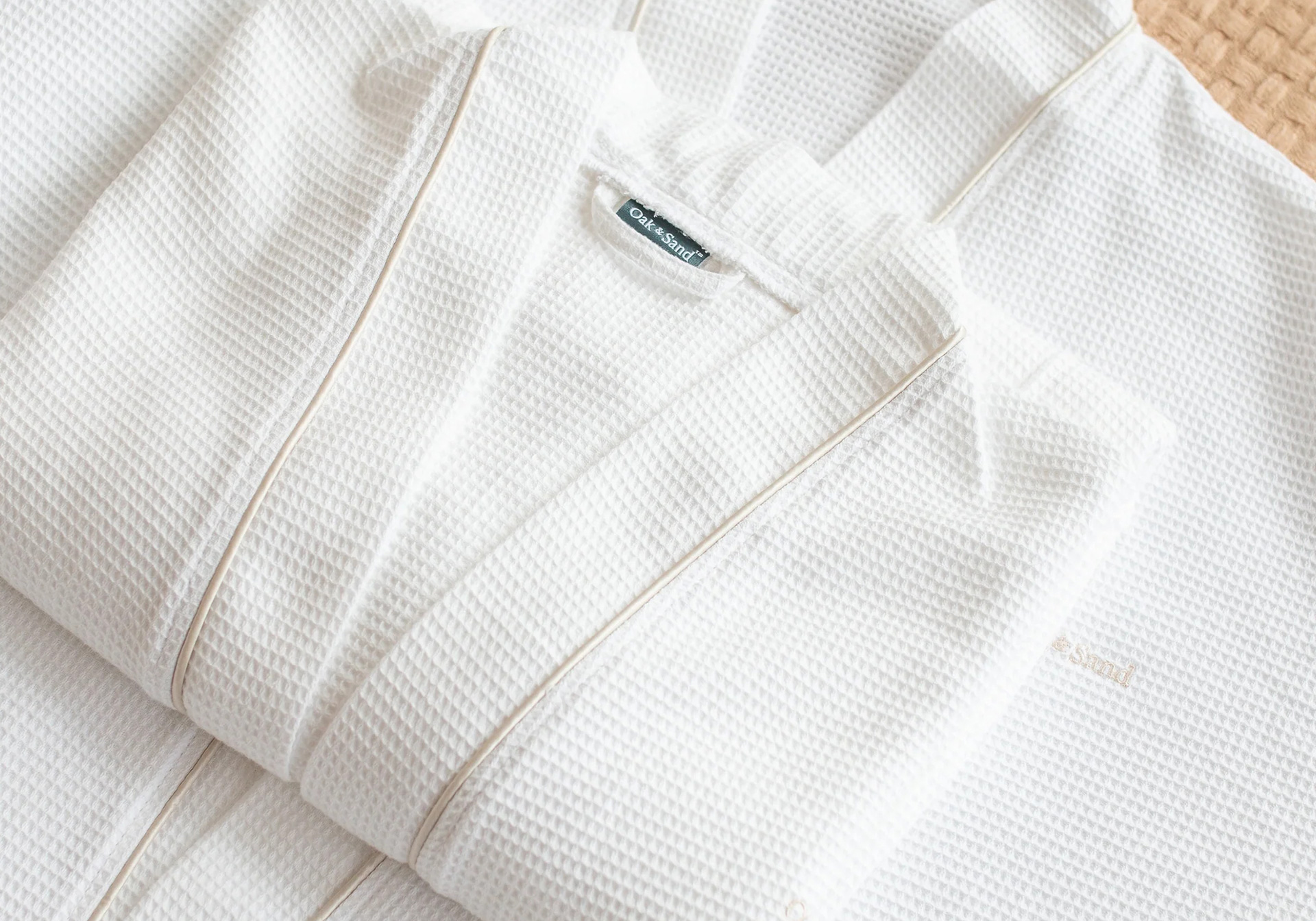
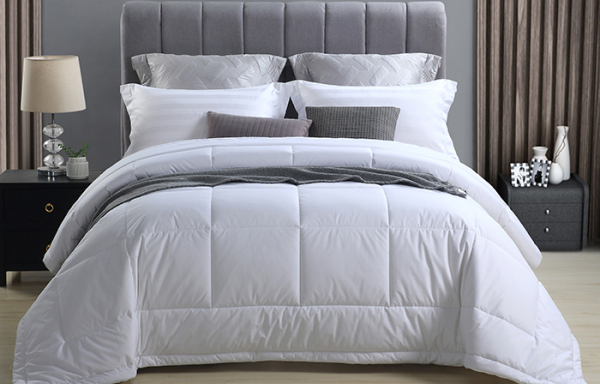
The selection of environmentally friendly linens is a step towards achieving green operations. The commonly used environmentally friendly fabrics in the current market mainly include organic cotton, bamboo fiber, recycled fiber and other materials. Organic cotton cultivation does not use chemical pesticides or fertilizers. Bamboo fiber has natural antibacterial properties, while regenerated fiber achieves resource conservation through recycling and reuse. These materials are not only environmentally friendly, but also have good comfort.
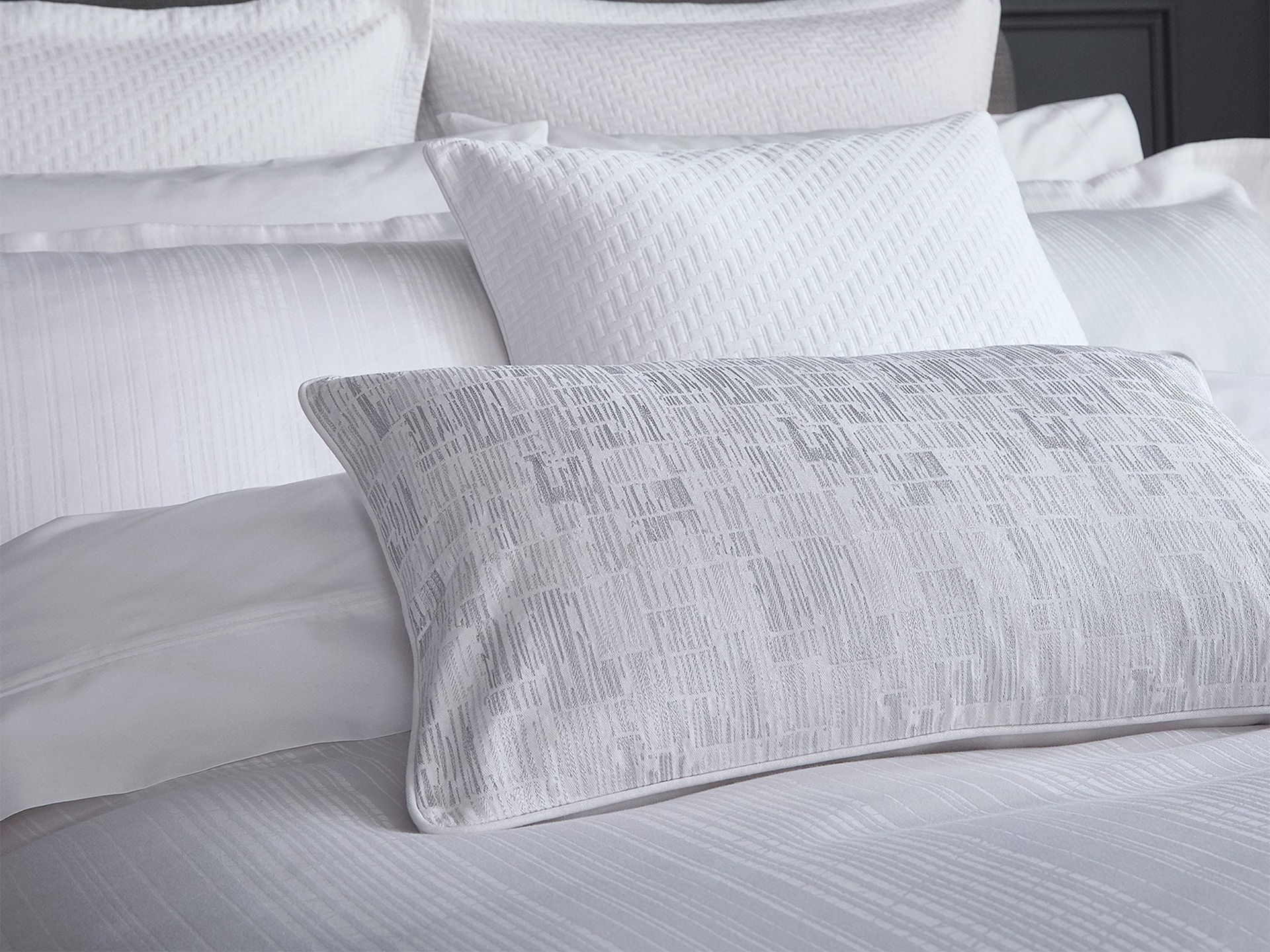
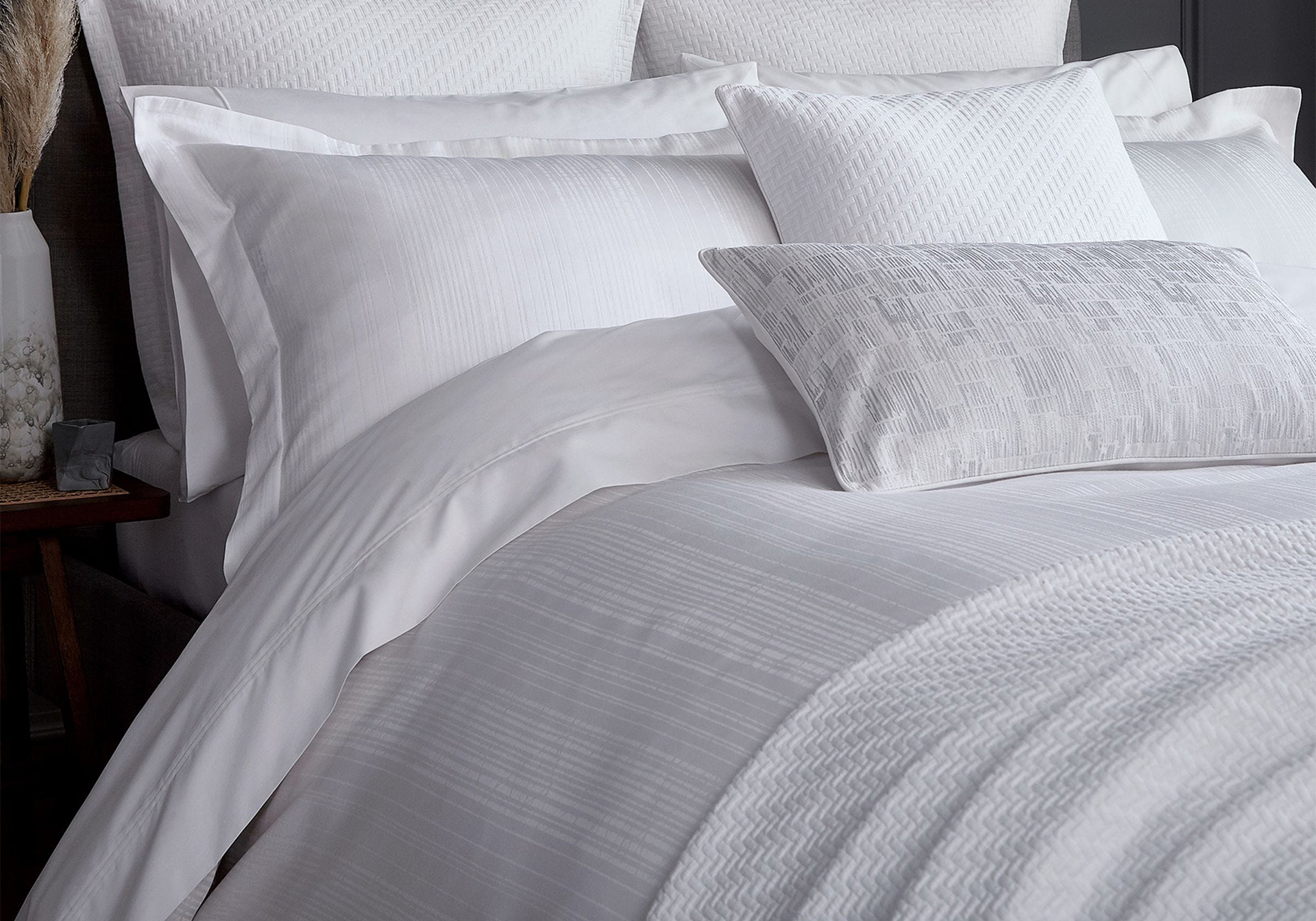
In the procurement process, hotels need to establish strict environmental standards and select suppliers who have passed environmental certification. At the same time, attention should be paid to the durability and ease of cleaning of the linen, extending its service life and reducing resource waste. For example, an international chain hotel extended the lifespan of linens by 30% and reduced water consumption by 20% by using high-density organic cotton bedding.
During use, hotels should establish a scientific linen replacement system to avoid unnecessary replacements. Environmental reminder cards can be set up in guest rooms to encourage guests to participate in environmental actions. A five-star hotel has implemented a "Green Stay Plan" to adjust the frequency of linen replacement from once a day to on-demand, reducing the number of linen washes by 40% annually.
2、 Technological innovation for ensuring comfort
While pursuing environmental protection, hotels cannot ignore the comfort of linens. The advancement of modern textile technology provides strong guarantees for the comfort of environmentally friendly fabrics. For example, the microencapsulation technology is used to implant natural plant essence into the fiber, which can not only maintain the soft touch of the cloth, but also achieve the function of anti-bacterial deodorization.
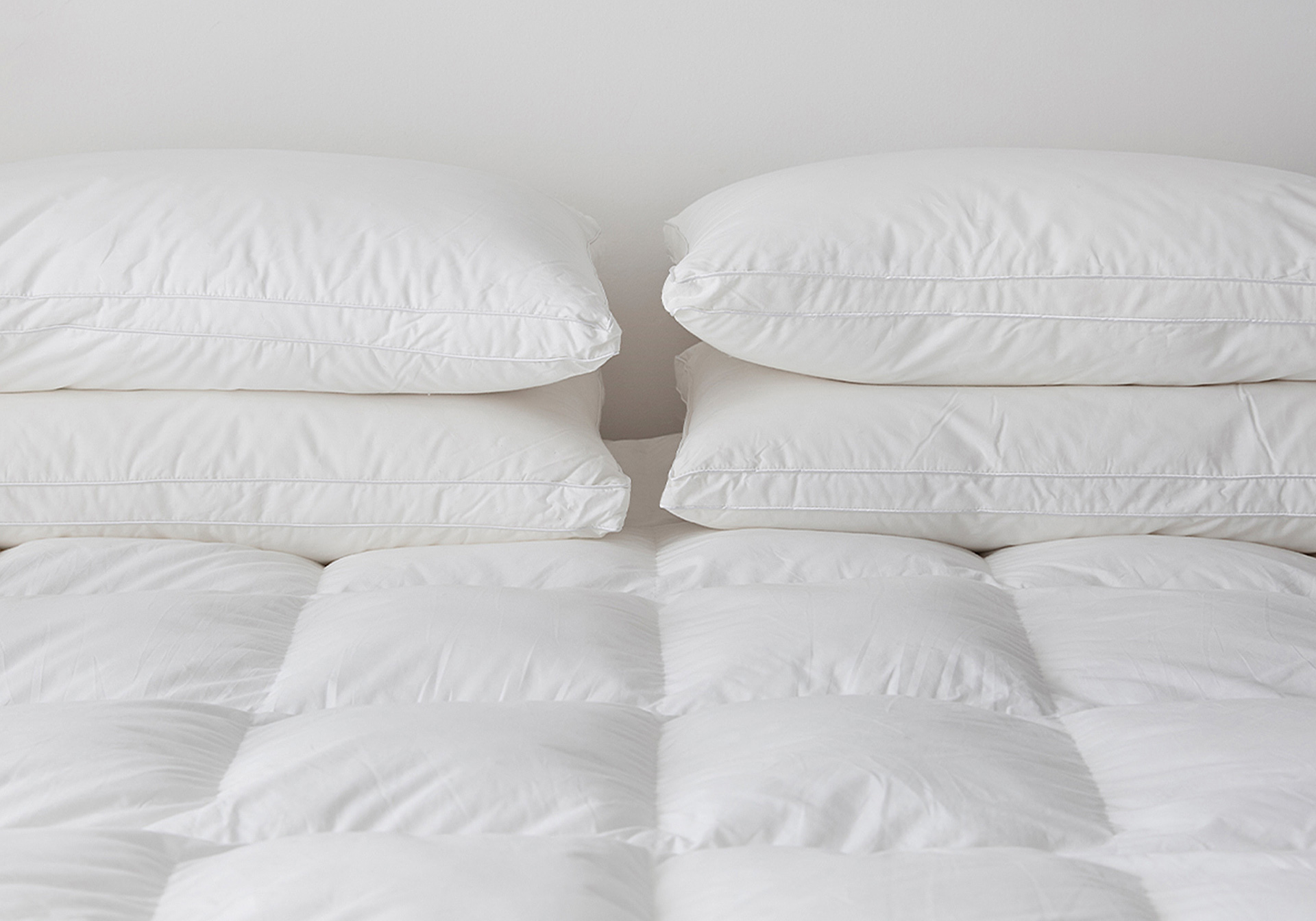
The design of linen should fully consider the principles of ergonomics, and improve the comfort of use through scientific weaving techniques and structural design. The "cloud sleep system" launched by a well-known hotel brand adopts three-layer three-dimensional filling technology, which not only ensures the breathability and support of bedding, but also achieves lightweight design and reduces material usage.
Quality control is the key to ensuring the comfort of linen. Hotels should establish a strict quality inspection system, with strict checks at every stage from raw materials to finished products. At the same time, attention should be paid to the maintenance and upkeep of the linen, using scientific washing and care methods to maintain the softness and color of the linen.
3、 The balance between environmental protection and comfort
Hotels need to find a balance between environmental protection and comfort. This needs to be comprehensively considered from the perspective of cost-effectiveness. Although the initial investment in eco-friendly linen may be high, in the long run, it can actually reduce costs by extending its lifespan and reducing resource consumption. A certain chain hotel group has saved 15% of operating costs within three years by fully using environmentally friendly linens.
The optimization of guest experience is the core of balancing environmental protection and comfort. Hotels can provide personalized services by introducing intelligent management systems to monitor the real-time use of linens. At the same time, it is necessary to strengthen communication with guests and enhance their environmental awareness through environmental education, so that they understand and support the hotel's environmental protection measures.
Sustainable development is an inevitable trend in the hotel industry. The application of environmentally friendly linens is not only a manifestation of the hotel's social responsibility, but also an important means to enhance brand value. Through continuous innovation and optimization, hotels can achieve a win-win situation of environmental protection and comfort, setting an example for the green development of the industry.
In the era where environmental protection and comfort are equally important, the innovative application of hotel linens is not only related to the operational efficiency of enterprises, but also an important force in promoting the sustainable development of the industry. Through scientific selection, innovative technology, and refined management, hotels can fully achieve environmental goals while providing high-quality services. In the future, with the advancement of technology and the improvement of consumer environmental awareness, environmentally friendly linens will become a standard configuration in the hotel industry, making important contributions to building a green hotel ecosystem.
Stay updated, join our mailing list and get 10% off your first order of $100.

 +86 189 9843 1185
 chloe@sanhootel.com+86 189 9849 2275simon@sanhootel.com
 Room 309, Building 11, No.728, Shibei Industrial Road, Panyu District, Guangzhou 511430, China