Industry Trends
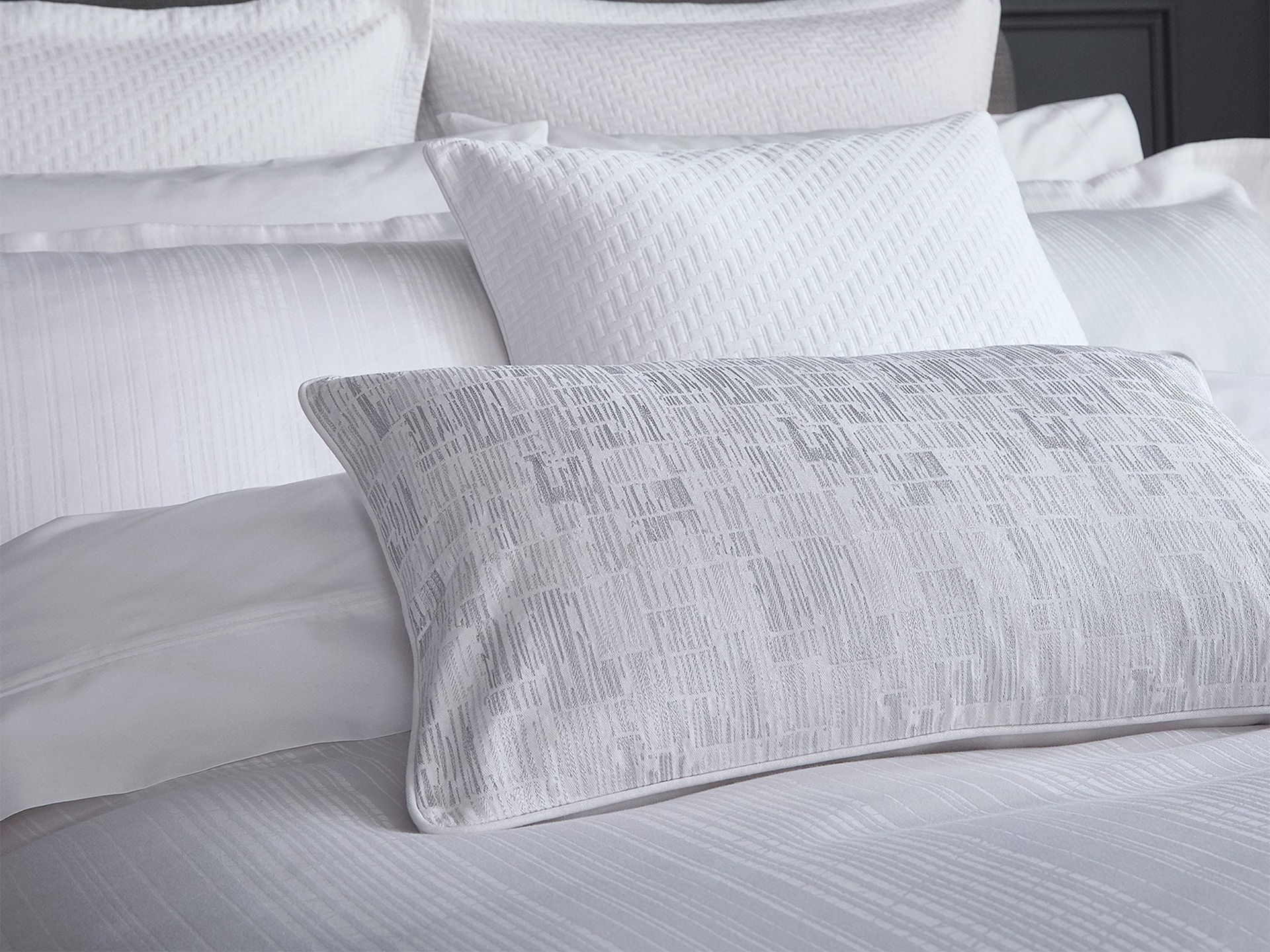
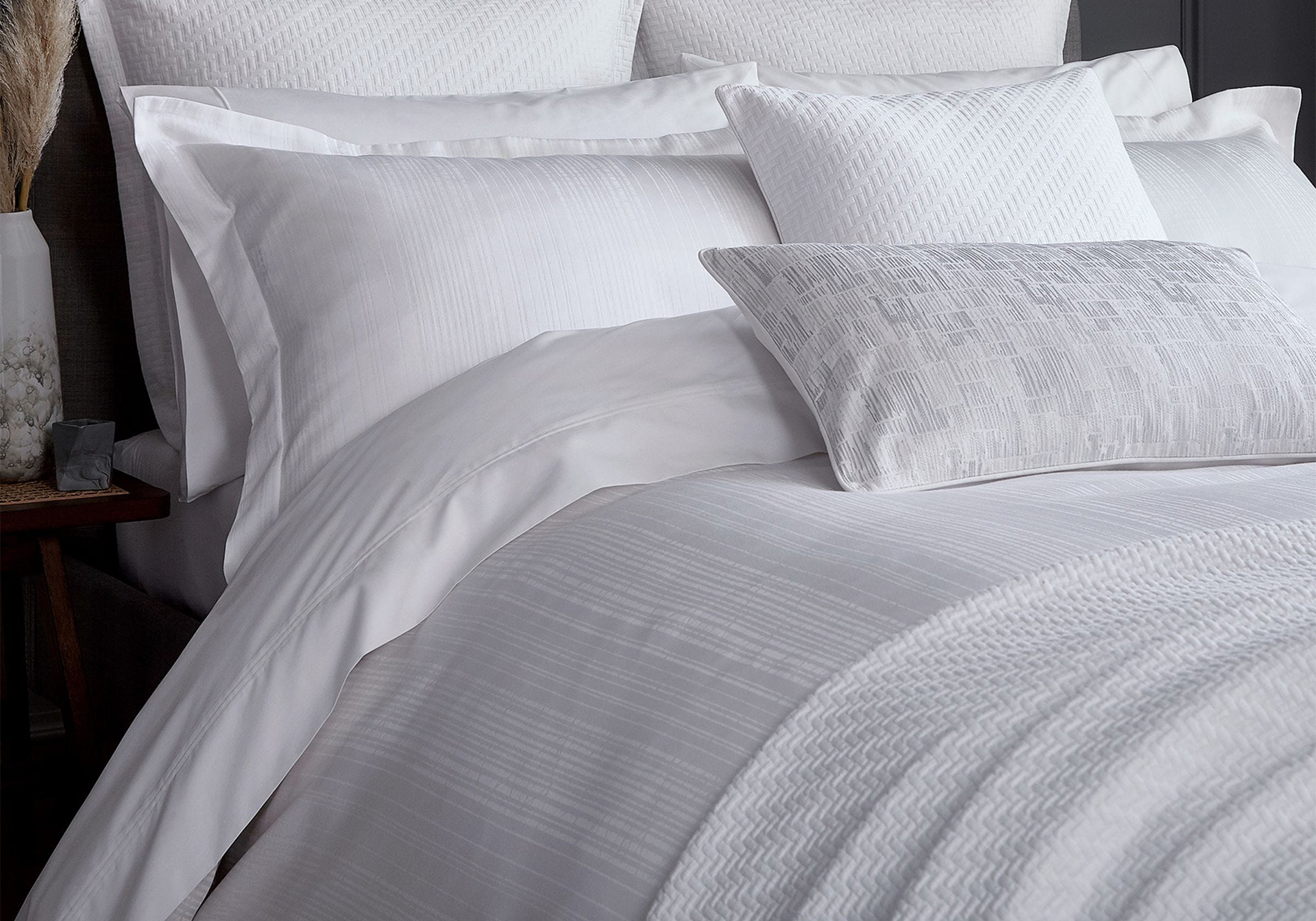
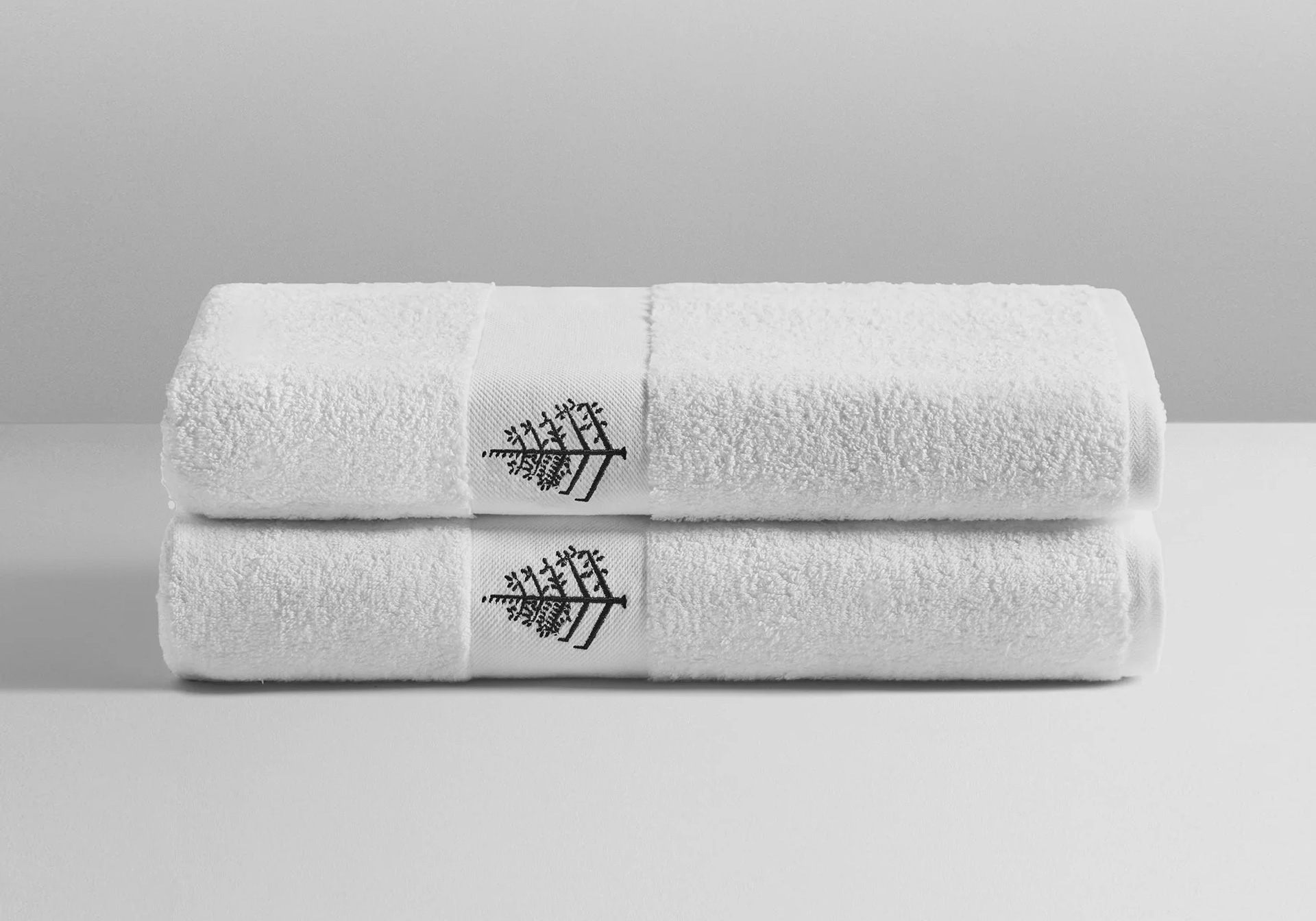
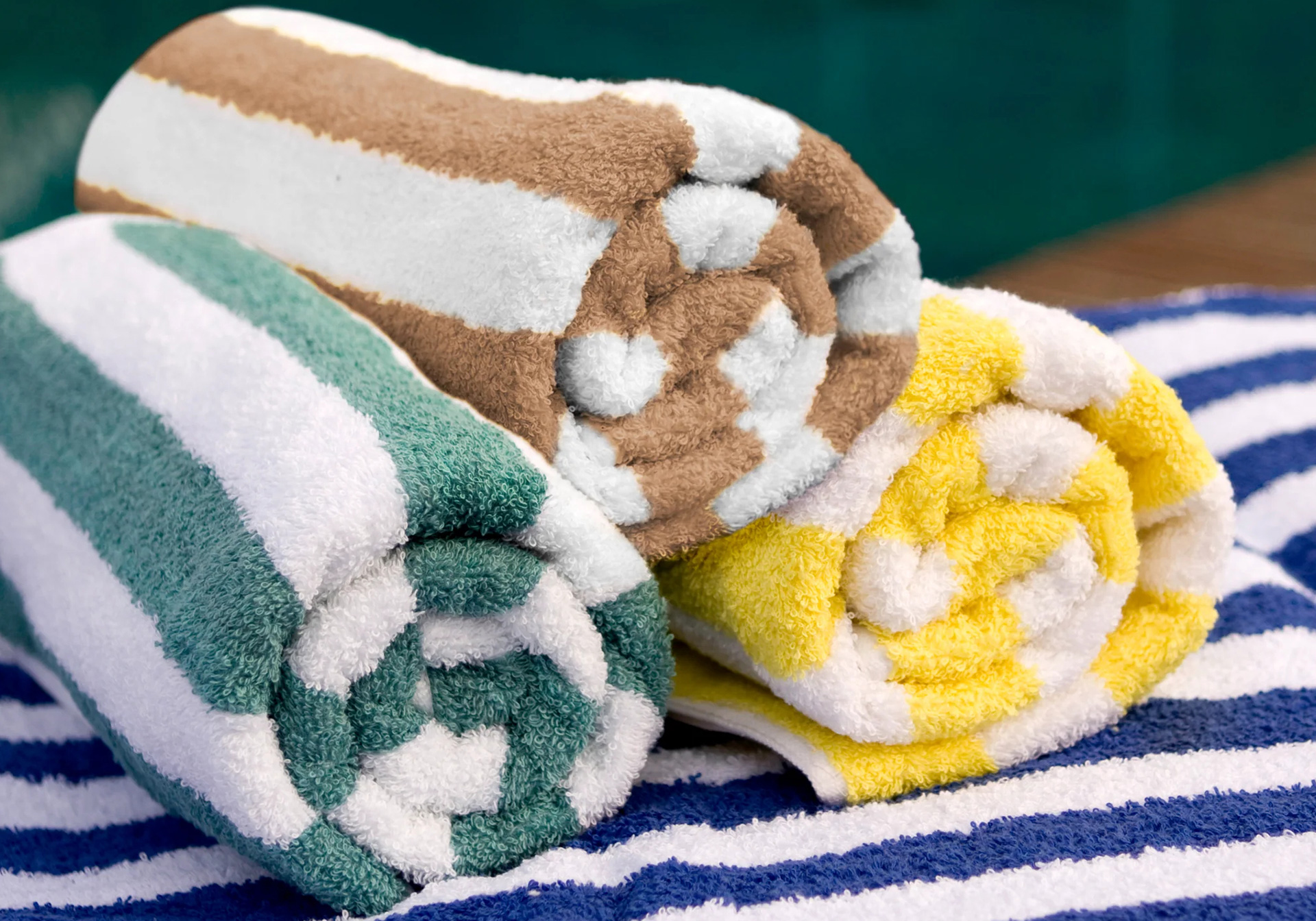
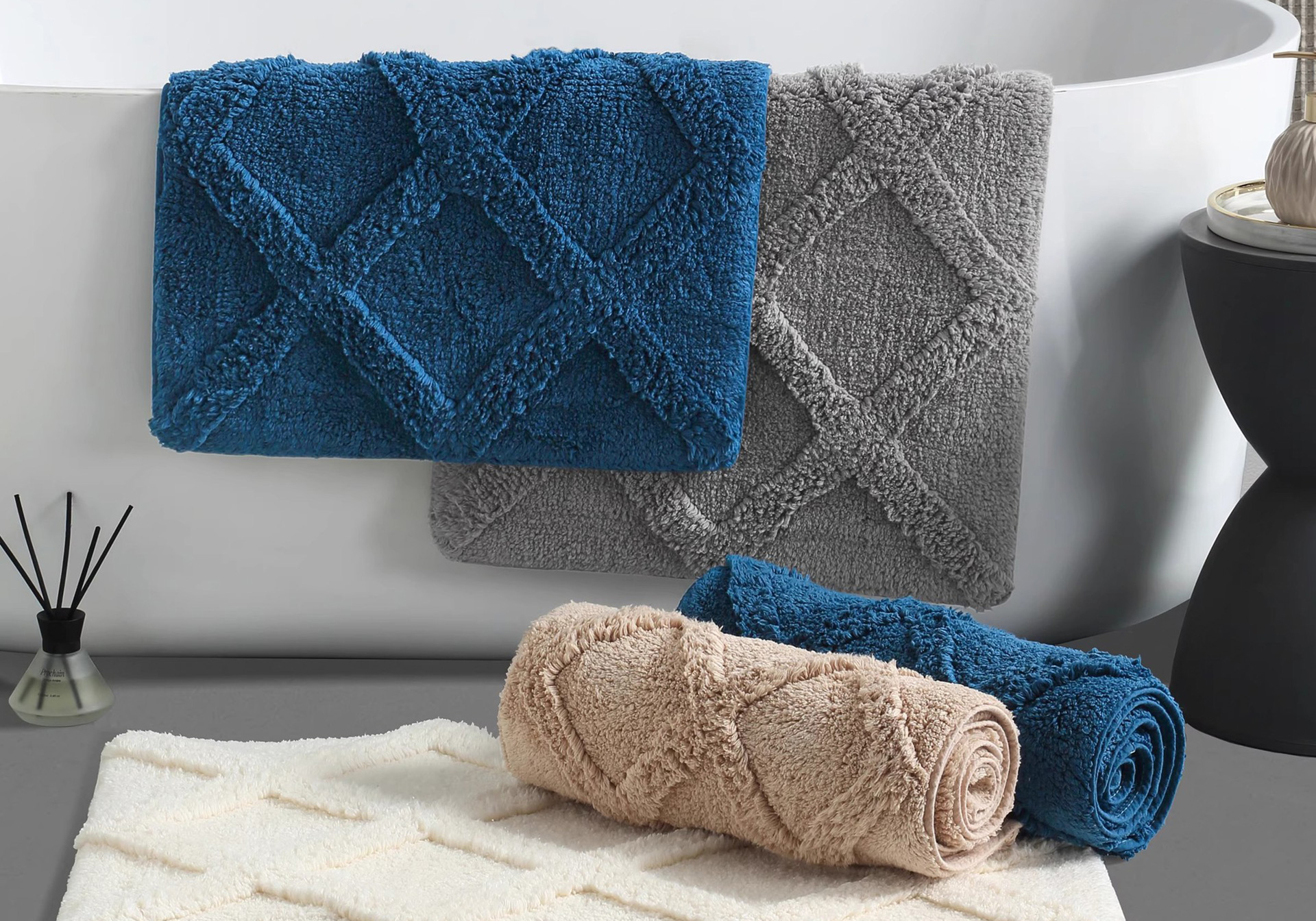
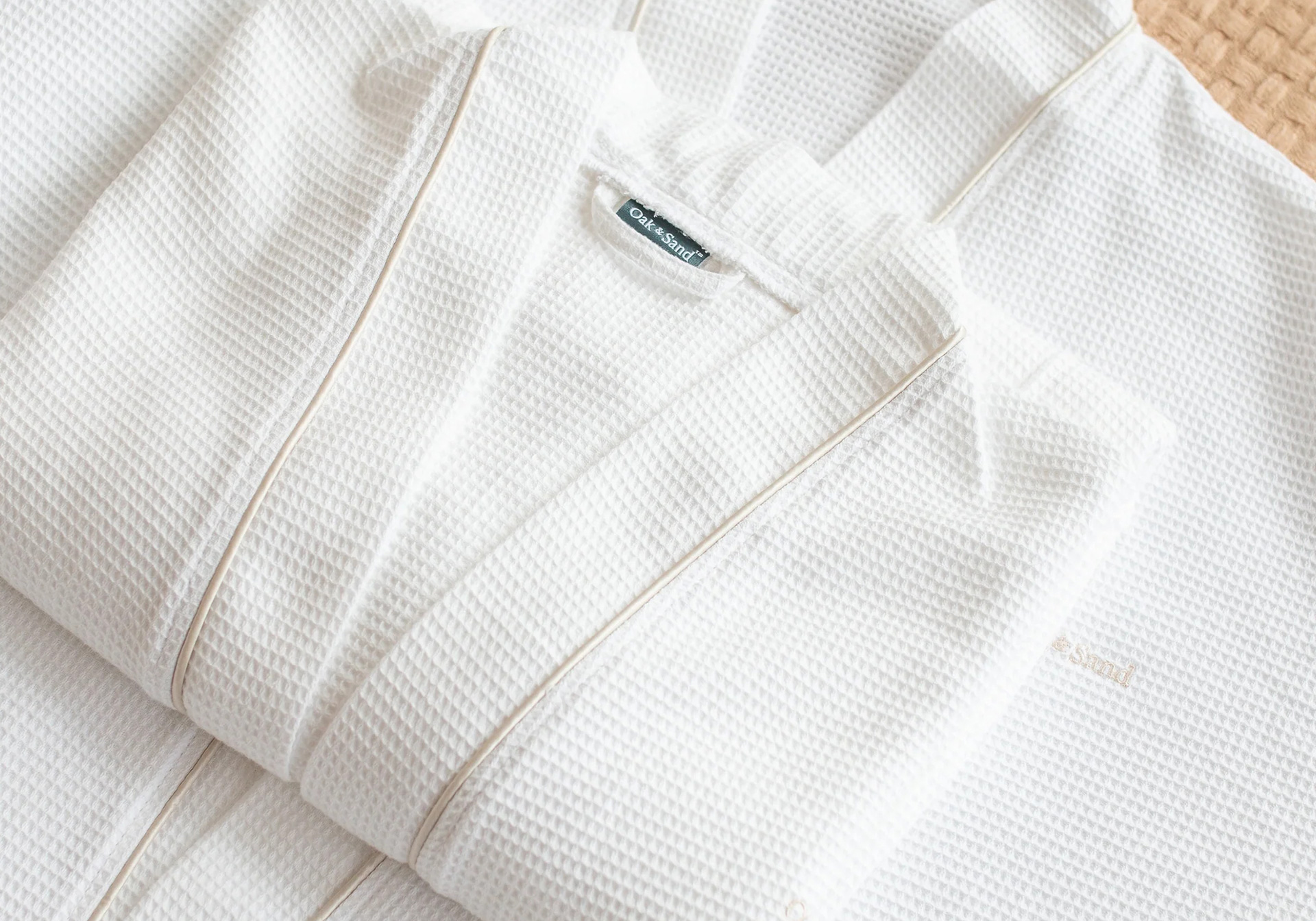
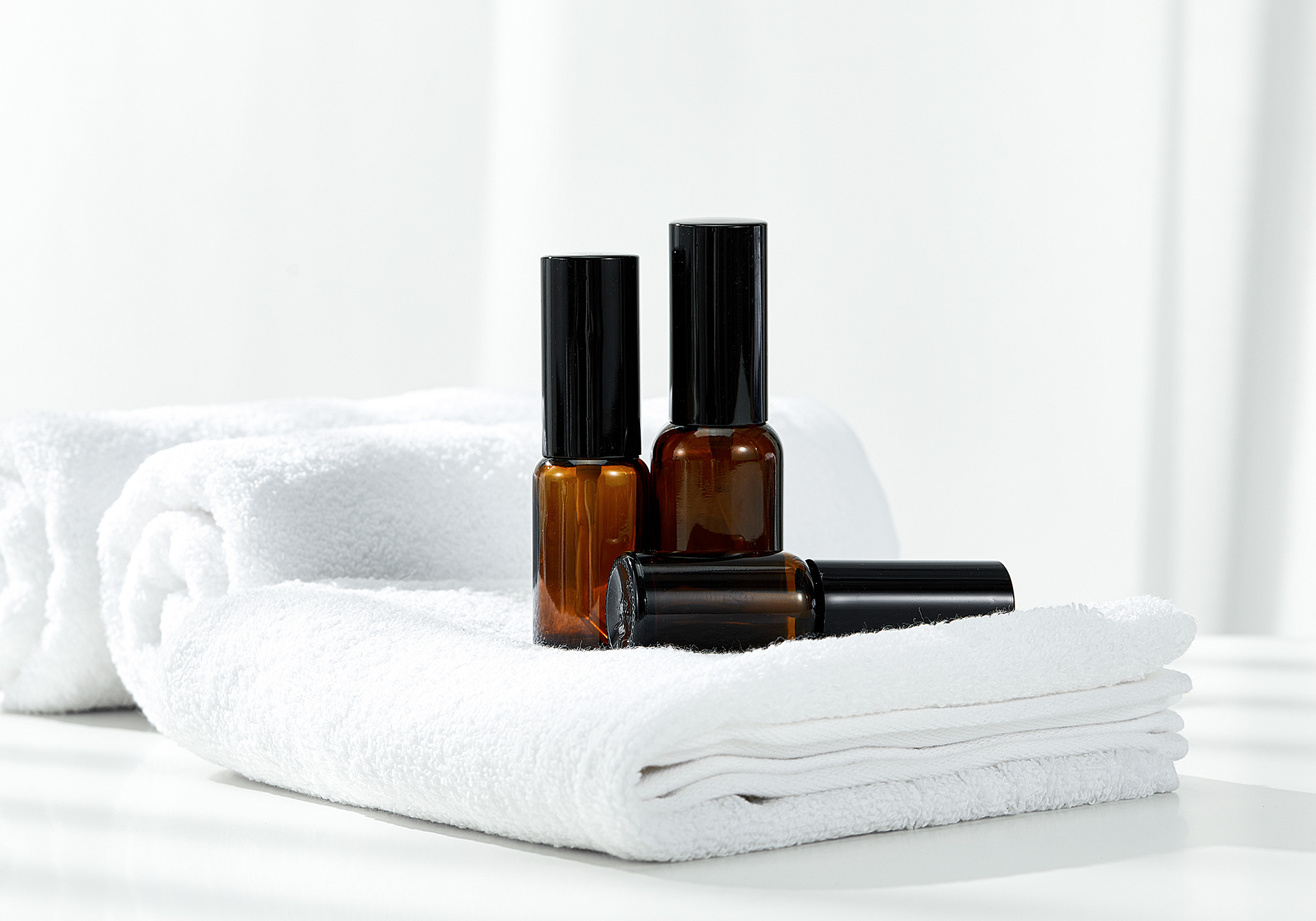
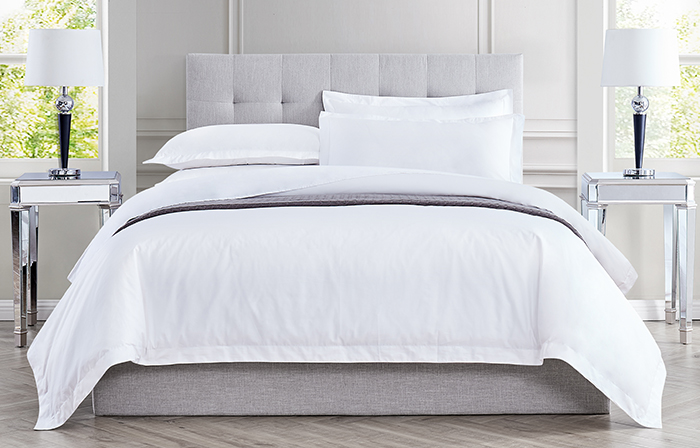
The cleaning and maintenance of hotel linens is an important part of ensuring guest comfort and hotel hygiene standards. Linen includes bed sheets, duvet covers, pillowcases, towels, bath towels, etc., which come into direct contact with guests' skin. Therefore, its cleanliness and maintenance quality directly affect the image and reputation of the hotel. The following are precautions for cleaning and maintaining hotel linens:
1、 Preparation before cleaning
1. Classification treatment: Before cleaning, linen should be classified according to material, color, degree of stains, etc. Different materials of linen have different requirements for cleaning agents and cleaning temperatures, and classified treatment can avoid cross contamination and damage.
2. Check the linen: Before cleaning, carefully inspect the linen for damage, stains, fading, and other issues. Damaged linen should be repaired or eliminated in a timely manner to avoid affecting its effectiveness.
3. Pre treatment of stains: For stubborn stains (such as bloodstains, oil stains, tea stains, etc.), pre-treatment should be carried out before cleaning. Special stain removers or mild detergents can be used for local treatment to prevent stains from solidifying during the cleaning process.
2、 Precautions during the cleaning process
1. Choose the appropriate detergent: Special detergents should be used for cleaning linen, avoiding cleaning agents containing bleach or strong alkalinity to avoid damaging the linen fibers. For white linen, oxygen-containing bleaching agents can be used, but the amount should be controlled to avoid excessive bleaching.
2. Control water temperature: Different materials of linen have different requirements for water temperature. Generally speaking, cotton linen can be cleaned with high-temperature water (60 ℃ -70 ℃) to achieve sterilization effect; However, synthetic or blended fabrics should use lower temperatures (30 ℃ -40 ℃) to avoid shrinkage or deformation.
3. Reasonable use of washing machine: Professional industrial washing machines should be used for cleaning linen to avoid excessive stirring and friction, which may cause linen wear and tear. The washing program should be adjusted according to the material and degree of stains of the linen to ensure cleaning effectiveness while protecting the linen.
4. Rinse and Dehydration: After cleaning, thorough rinsing should be performed to ensure that detergent residues are thoroughly removed and avoid irritation to the skin. When dehydrating, attention should be paid to controlling the time and speed to avoid excessive stretching or deformation of the linen.
3、 Drying and ironing
1. Drying method: The linen should be dried in a timely manner after cleaning to avoid mold or odor caused by prolonged moisture. Drying can be done using a dryer, but the temperature and time need to be controlled to avoid high temperature damage to the linen fibers. For certain special materials such as silk, wool, etc., natural drying should be chosen.
2. Ironing flat: The dried linen should be ironed to ensure its flatness and beauty. When ironing, attention should be paid to controlling the temperature to avoid excessive temperature causing the linen to turn yellow or burn. For cotton linen, high-temperature ironing can be used; For synthetic linen, medium low temperature ironing should be used.
4、 Storage and maintenance
1. Storage environment: Cloth should be stored in a dry, ventilated, and clean environment, avoiding moisture, high temperatures, and direct sunlight to prevent mold, fading, or aging of the cloth. Dust covers or sealed bags should be used during storage to prevent dust and insect infestations.
2. Regular inspection: Hotels should regularly inspect the use of linens, promptly identify and address issues such as damage and fading. For fabrics that are not used for a long time, they should be regularly flipped and dried to maintain their softness and cleanliness.
3. Reasonable use: Hotels should allocate the frequency of using linens reasonably to avoid premature wear and tear caused by excessive use. For frequently used linens (such as towels, bath towels, etc.), they should be rotated regularly to extend their service life.
5、 Environmental Protection and Cost Control
1. Energy conservation and emission reduction: In the process of linen cleaning, hotels should try to use energy-saving and environmentally friendly cleaning equipment and technology, reduce the consumption of water, electricity, and detergents, and lower operating costs. For example, water-saving washing machines and low-temperature washing technologies can be used.
2. Extend service life: By proper cleaning and maintenance, the service life of linens can be effectively extended, the frequency of replacement can be reduced, and the cost of hotels can be lowered. Hotels should develop a scientific linen replacement plan to avoid premature scrapping of linen due to excessive cleaning or improper maintenance.
6、 Employee training and management
1. Professional training: Hotels should provide professional training to employees responsible for cleaning and maintaining linens to ensure that they master the correct cleaning methods and maintenance skills. The training content includes the selection of detergents, water temperature control, cleaning procedures, ironing skills, etc.
2. Standardized operation: Hotels should establish operating standards for linen cleaning and maintenance, ensuring that employees strictly follow standard procedures to avoid linen damage or poor cleaning results due to improper operation.
3. Supervision and Inspection: Hotels should regularly supervise and inspect the cleaning and maintenance of linens to ensure the quality of cleaning and maintenance effectiveness. For the problems discovered, they should be rectified in a timely manner to ensure the cleanliness and comfort of the linen.
Conclusion
The cleaning and maintenance of hotel linens is an important aspect that cannot be ignored in hotel operations. Through scientific cleaning methods, reasonable maintenance measures, and standardized management processes, not only can the cleanliness and comfort of the linen be ensured, but its service life can also be extended, reducing the operating costs of the hotel. At the same time, hotels should also pay attention to environmental protection and energy conservation, adopt green cleaning technology, and provide guests with a healthier and more comfortable accommodation experience.
Stay updated, join our mailing list and get 10% off your first order of $100.

 +86 189 9843 1185
 chloe@sanhootel.com+86 189 9849 2275simon@sanhootel.com
 Room 309, Building 11, No.728, Shibei Industrial Road, Panyu District, Guangzhou 511430, China