Company News
The environmental protection standards for hotel linens refer to a series of requirements followed in the production, use, cleaning, and management of hotel linens to reduce environmental pollution, conserve resources, and protect the ecology. With the increasing global awareness of environmental protection, the hotel industry's environmental requirements for linens are also constantly improving. The following are the specific requirements of the environmental protection standards for hotel linens:
1. Raw material selection
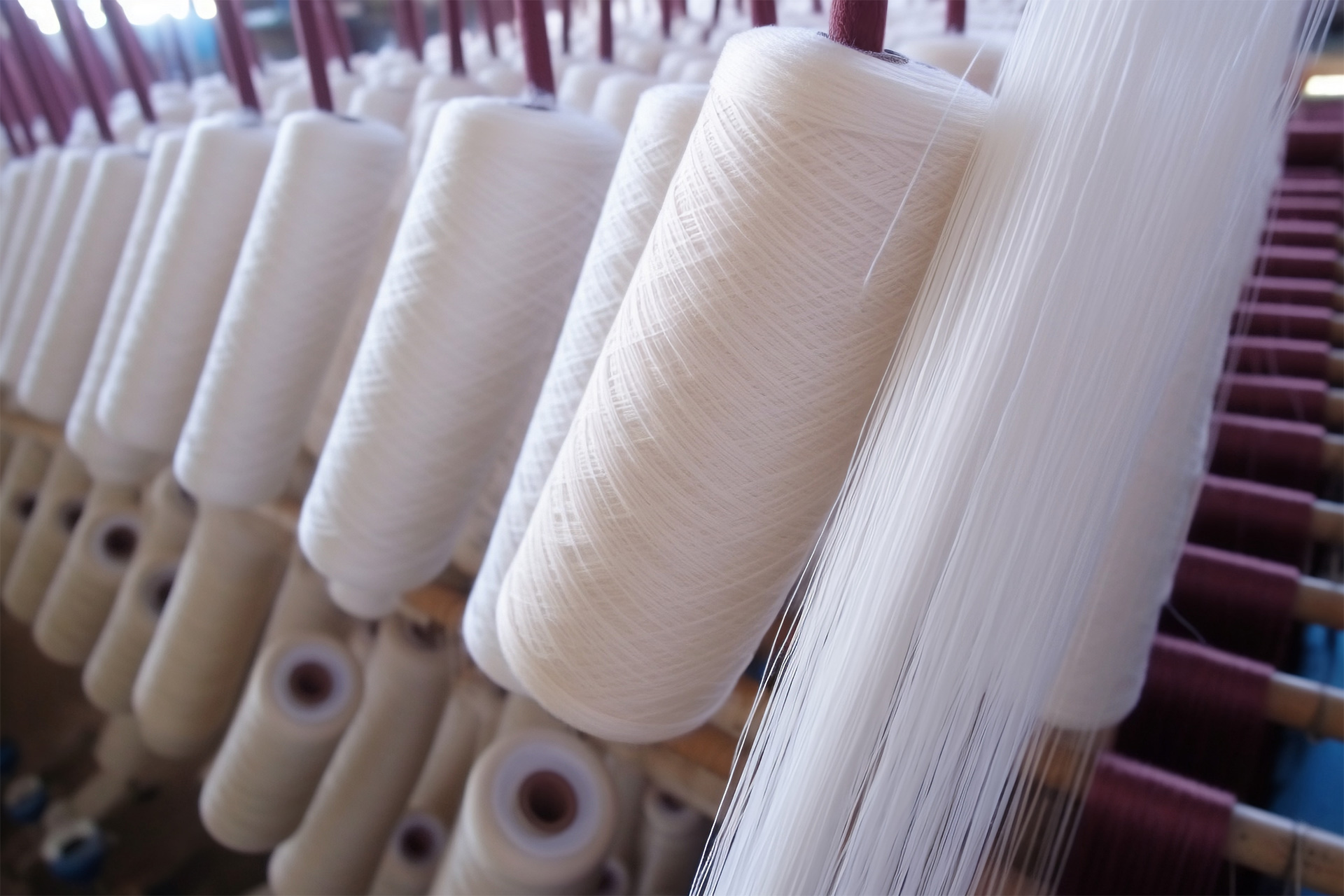
-Natural fiber priority: Hotel linens should prioritize natural fiber materials such as cotton, hemp, bamboo fibers, etc. These materials are not only comfortable and breathable, but also have a minimal impact on the environment during the production process. Natural fibers are usually biodegradable, reducing long-term pollution to the environment.
-Organic certification: Using certified cotton, hemp and other materials to ensure that chemical pesticides and fertilizers are not used during the planting process, reducing pollution to soil and water sources.
-Renewable materials: Encourage the use of renewable materials such as bamboo fiber, Tencel, etc. These materials are not only environmentally friendly, but also have good durability and comfort.
-Low pollution dyes: Low pollution, non-toxic and environmentally friendly dyes should be used in the process of dyeing linen to reduce the emission of harmful chemicals and avoid pollution to water bodies and soil.
2. Environmental protection in the production process
-Energy conservation and emission reduction: In the production process of linen, energy-saving equipment and technology should be adopted to reduce energy consumption and carbon emissions. For example, using high-performance textile machinery, optimizing production processes, and reducing wastewater and exhaust emissions.
-Water resource management: In the production process of linen, the consumption of water resources is relatively high, so a water resource recycling system should be established to reduce water waste. At the same time, wastewater should undergo strict treatment to ensure compliance with discharge standards.
-Reduce the use of chemicals: In the production process, try to minimize the use of chemicals, especially those that are harmful to the environment and human health. For example, reducing the use of chemical additives such as bleaching agents and softeners, and adopting more environmentally friendly alternatives.
3. Linen design and service life
-Durable design: Hotel linens should be designed to have a longer lifespan and reduce resource waste caused by frequent replacement. For example, choosing high-density and high-strength fabrics to enhance the wear resistance and tear resistance of the linen.
-Modular design: Linen can adopt modular design, which facilitates local replacement and maintenance, and extends the overall service life. For example, bed sheets, duvet covers, etc. can be designed to be detachable for easy cleaning and replacement.
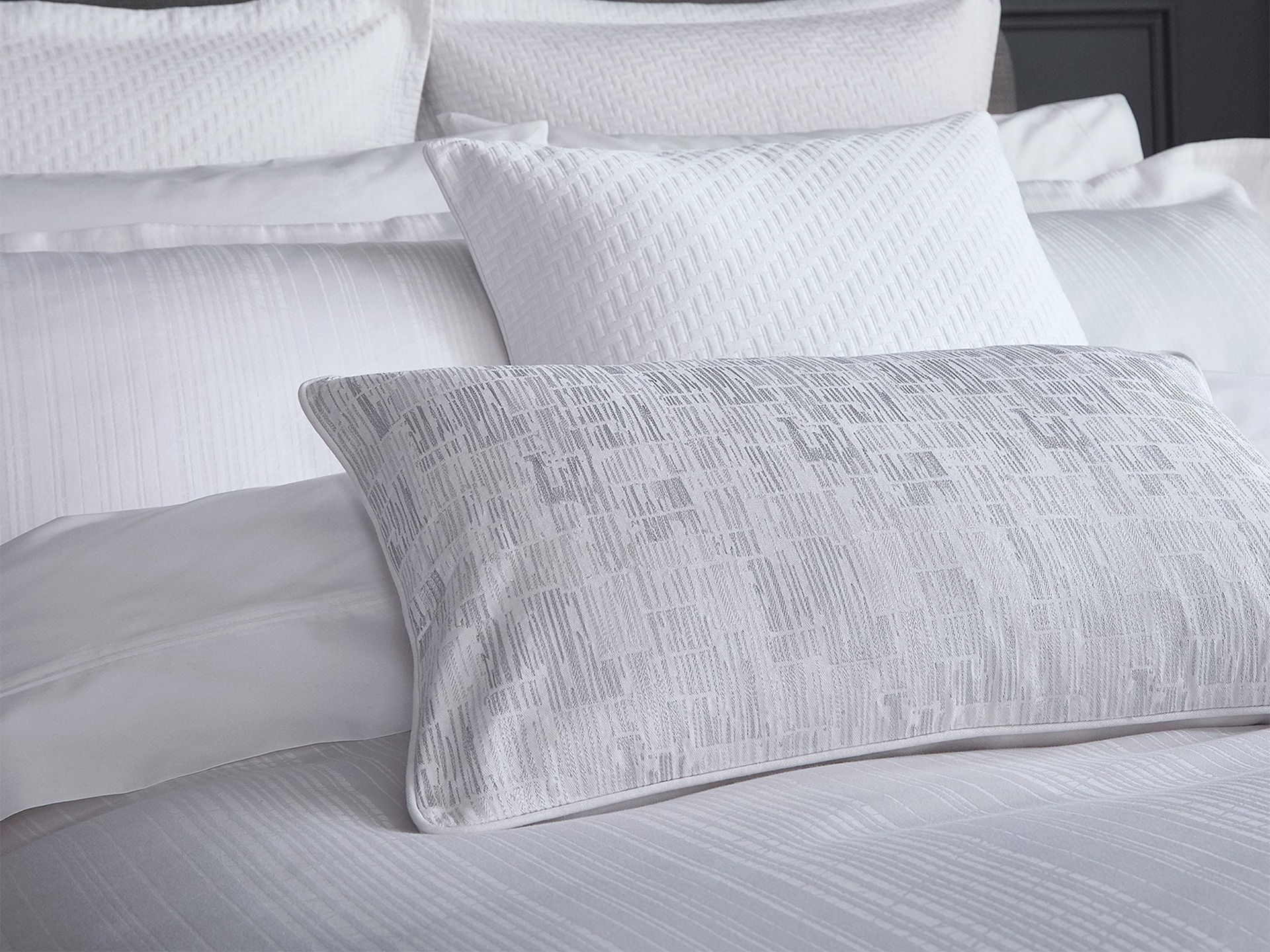
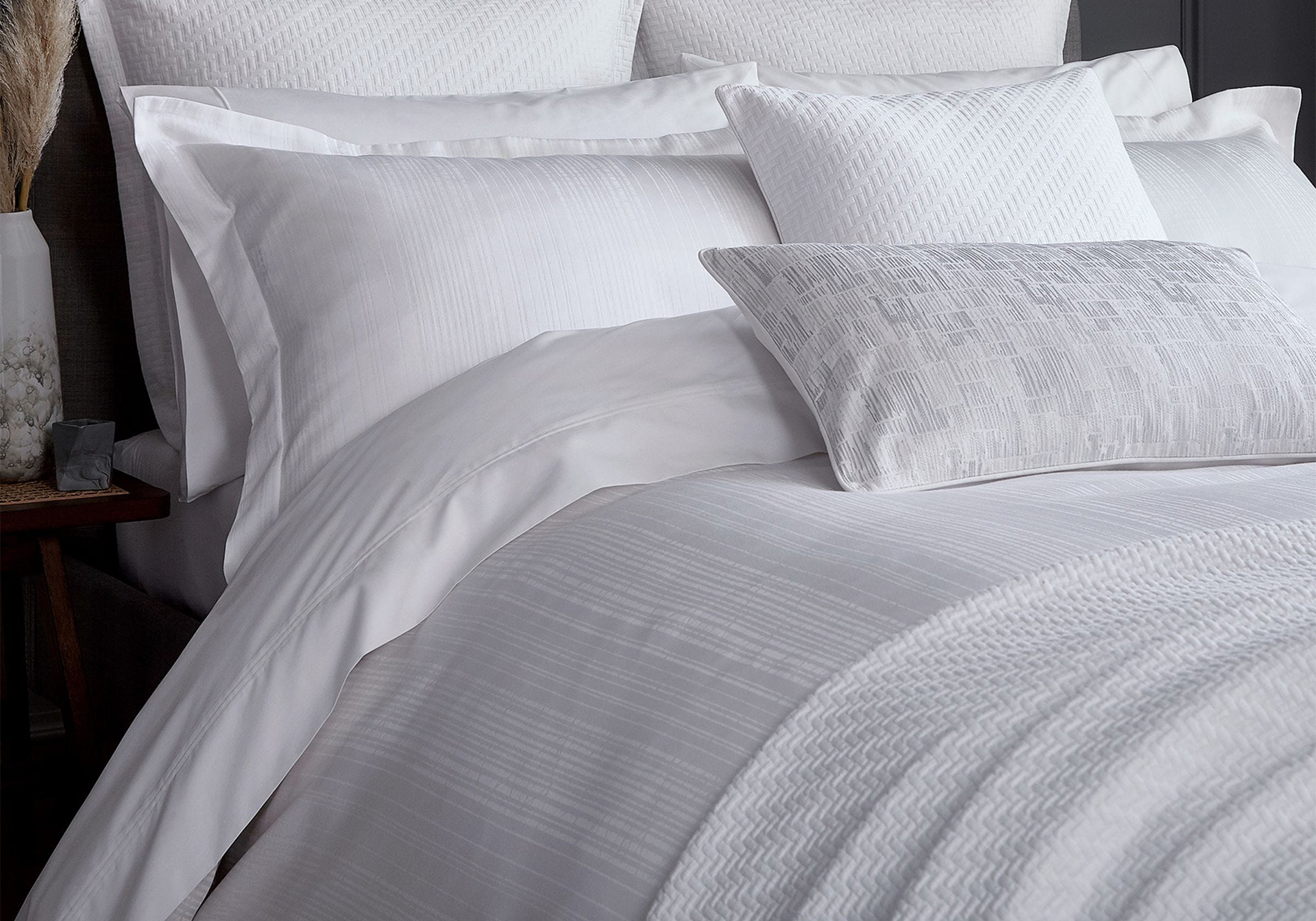
-Minimalist design: Avoiding excessive decoration and complex craftsmanship, reducing unnecessary resource consumption. The minimalist design is not only environmentally friendly, but also in line with the aesthetic trend of modern hotels.
4. Cleaning and maintenance of environmental protection
-Environmentally friendly detergent: Hotel linens should be cleaned with eco-friendly detergents to reduce pollution to water bodies and the environment. Environmentally friendly detergents usually do not contain harmful substances such as phosphates and chlorine, and have less irritation to the skin and environment.
-Water and electricity conservation: During the cleaning process, water-saving and energy-saving washing equipment should be used to reduce water and electricity consumption. For example, using high-performance washing machines, optimizing washing programs, reducing water usage and washing time.
-Low temperature washing: Try to use low-temperature washing methods to reduce energy consumption, while protecting the fiber structure of the linen and extending its service life.
-Reduce washing frequency: Reduce unnecessary washing frequency through proper linen management. For example, encourage guests to reuse towels and bed sheets, reduce washing frequency, and save resources.
5. Waste disposal
-Recycling and Reuse: Damaged or obsolete linens should be recycled and reused. For example, old bed sheets, towels, etc. can be transformed into rags, cleaning supplies, etc. to reduce waste generation.
-Garbage classification: In the process of linen treatment, strict garbage classification should be carried out to ensure that recyclables, harmful substances, and other waste are properly disposed of.
-Reduce disposable items: Hotels should try to minimize the use of disposable linens, such as disposable slippers, disposable shower caps, etc., and promote the use of reusable linens products.
6. Environmental certification and standards
-International environmental certification: Hotel linens should comply with international environmental certification standards, such as OEKO-TEX Standard 100, GOTS (Global Organic Textile Standard), etc. These certifications ensure that the environmental impact of linen during production, use, and disposal is minimized.
-Green Hotel Standards: The use and management of hotel linens should comply with the standards of green hotels, such as LEED (Leadership in Energy and Environmental Design) certification, Green Global certification, etc. These standards require hotels to pay attention to environmental protection and reduce negative impacts on the environment during their operations.
7. Environmental awareness among employees and customers
-Employee training: Hotels should regularly provide environmental protection training to employees to enhance their environmental awareness and operational skills. For example, training employees on how to use environmentally friendly detergents correctly and how to reduce waste of linens.
-Guest education: Hotels should convey environmental concepts to guests through promotional materials, signage, and other means, encouraging them to participate in environmental actions. For example, encourage guests to reuse towels and bed sheets and reduce the number of washes.
8. Supply Chain Management
-Green supply chain: Hotels should choose suppliers with strong environmental awareness to ensure that the entire supply chain of linen from raw materials to finished products meets environmental standards. For example, choosing suppliers that use renewable energy and reduce carbon emissions.
-Transparent management: Hotels should implement transparent management of the linen supply chain to ensure that every link meets environmental requirements. For example, regularly conducting environmental audits on suppliers to ensure that their production processes comply with environmental standards.
9. Innovation and Technological Progress
-Application of environmental protection technology: Hotels should actively adopt environmental protection technologies such as nanotechnology, biotechnology, etc. to improve the environmental performance of linens. For example, using nanotechnology to treat linen with antibacterial, anti fouling and other functions, reducing washing frequency.
-Circular economy model: Hotels can explore circular economy models to form a closed-loop system for the production, use, recycling, and reuse of linens, minimizing resource waste and environmental pollution.
Conclusion
The implementation of environmental protection standards for hotel linens not only helps reduce environmental pollution and save resources, but also enhances the hotel's brand image and attracts more environmentally conscious consumers. By implementing full chain environmental protection measures from raw material selection, production process, usage management to waste disposal, the hotel industry can take solid steps on the path of sustainable development.
Stay updated, join our mailing list and get 10% off your first order of $100.

 +86 189 9843 1185
 chloe@sanhootel.com+86 189 9849 2275simon@sanhootel.com
 Room 309, Building 11, No.728, Shibei Industrial Road, Panyu District, Guangzhou 511430, China